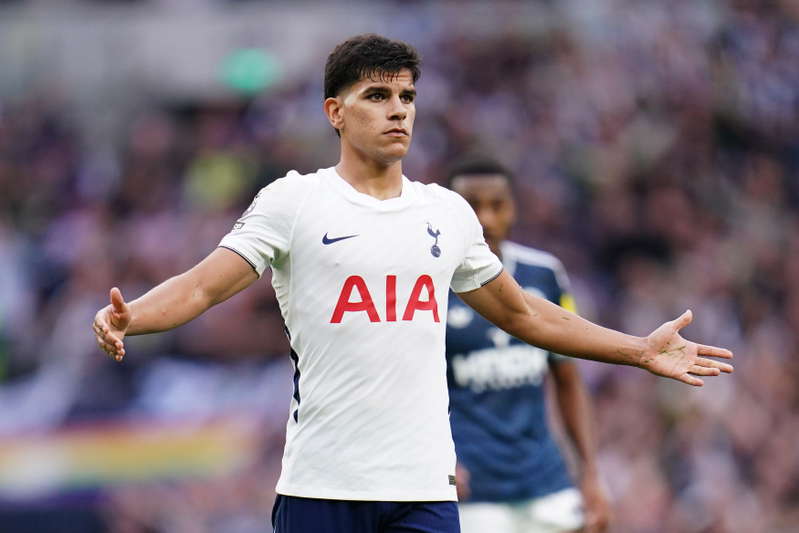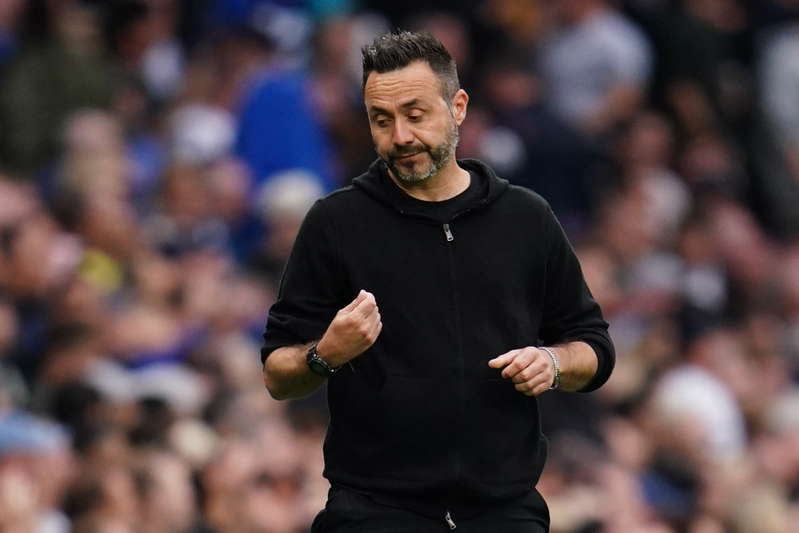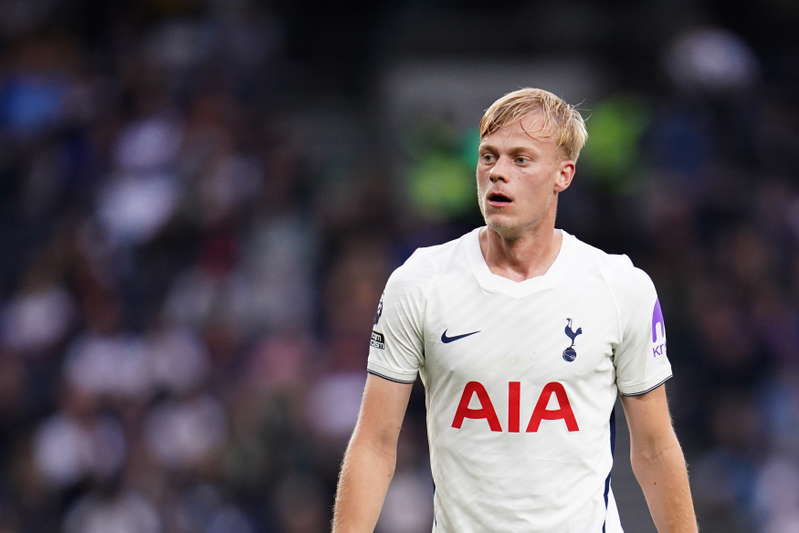



Mateus Fernandes did not make Tottenham's squad for the pre-season friendly against Sydney FC on Wednesday, which was enough to start the usual round of injury speculation. Roberto De Zerbi moved quickly to shut that down. His explanation was calf fatigue, not a fresh setback, and he said Tottenham had taken no risk with the midfielder.
De Zerbi's explanation
"Fernandes is just fatigued, the calf. Also for him we took the decision not to take any risk and to recover," De Zerbi told standard.co.uk. He added that when pre-season restarts in London next Wednesday, Fernandes "will be ready to work".
That is the clearest part of this. De Zerbi did not talk up a bigger problem, and he did not hint at a longer absence. He framed it as load management around a player who needed to be protected rather than pushed.
The same message was repeated in his wider comments on the tour. De Zerbi said some players were not ready to play without risk, and that Tottenham were managing condition carefully after a long trip, jet lag and a busy start to pre-season. Chelsea are part of the next stretch, but no one should read that as a guarantee for Fernandes.
Tottenham's wider workload plan
De Zerbi's decision did not only affect Fernandes. Sandro Tonali was among the players he used as an example of the broader fitness work still being done, while he also said some players are building up to 70 minutes or 80 minutes rather than being thrown straight in.
That approach fits Tottenham's summer reality. They finished 17th in the Premier League in 2025, picked up 41 points and conceded 57 goals, so another stop-start year would only make the rebuild harder. Protecting players in pre-season is not glamorous, but it is sensible when the squad has already taken enough damage.
Fernandes' omission looked noisy at first. De Zerbi's comments make it sound much simpler, calf fatigue, caution, and a return to work when the group gets back to London next Wednesday.
Written by Jack Mercer with AI-assisted research, cross-checked against 2 outlets. How we work →