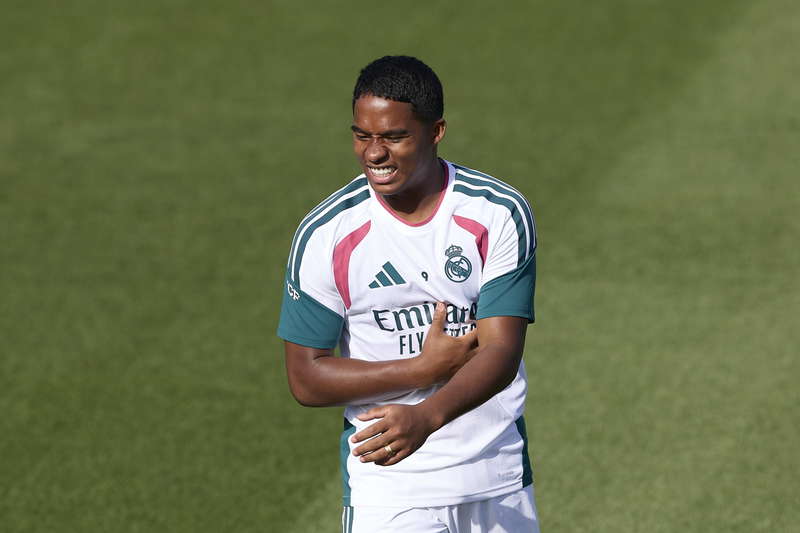


"Hard work is extremely important. He wants us to sacrifice ourselves for one another and be a team."
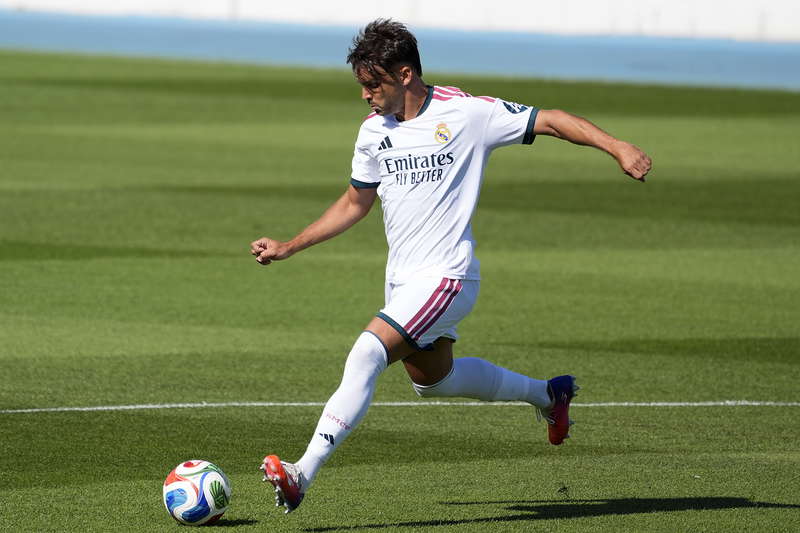
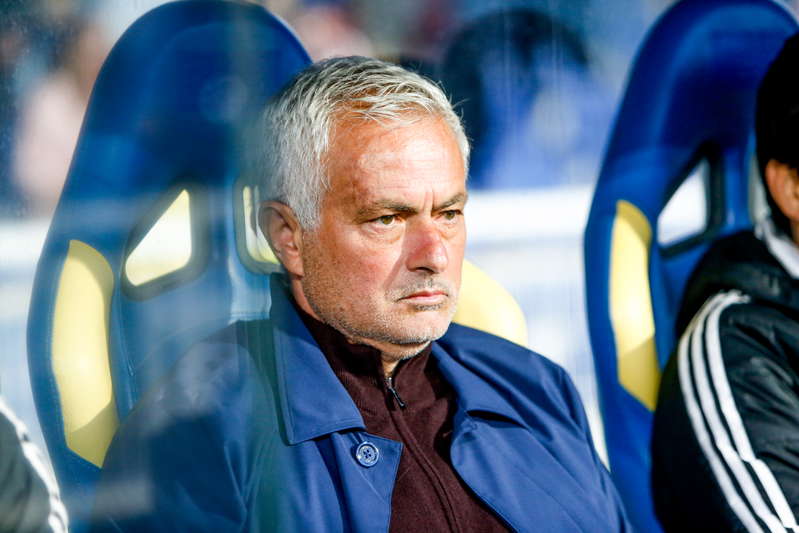
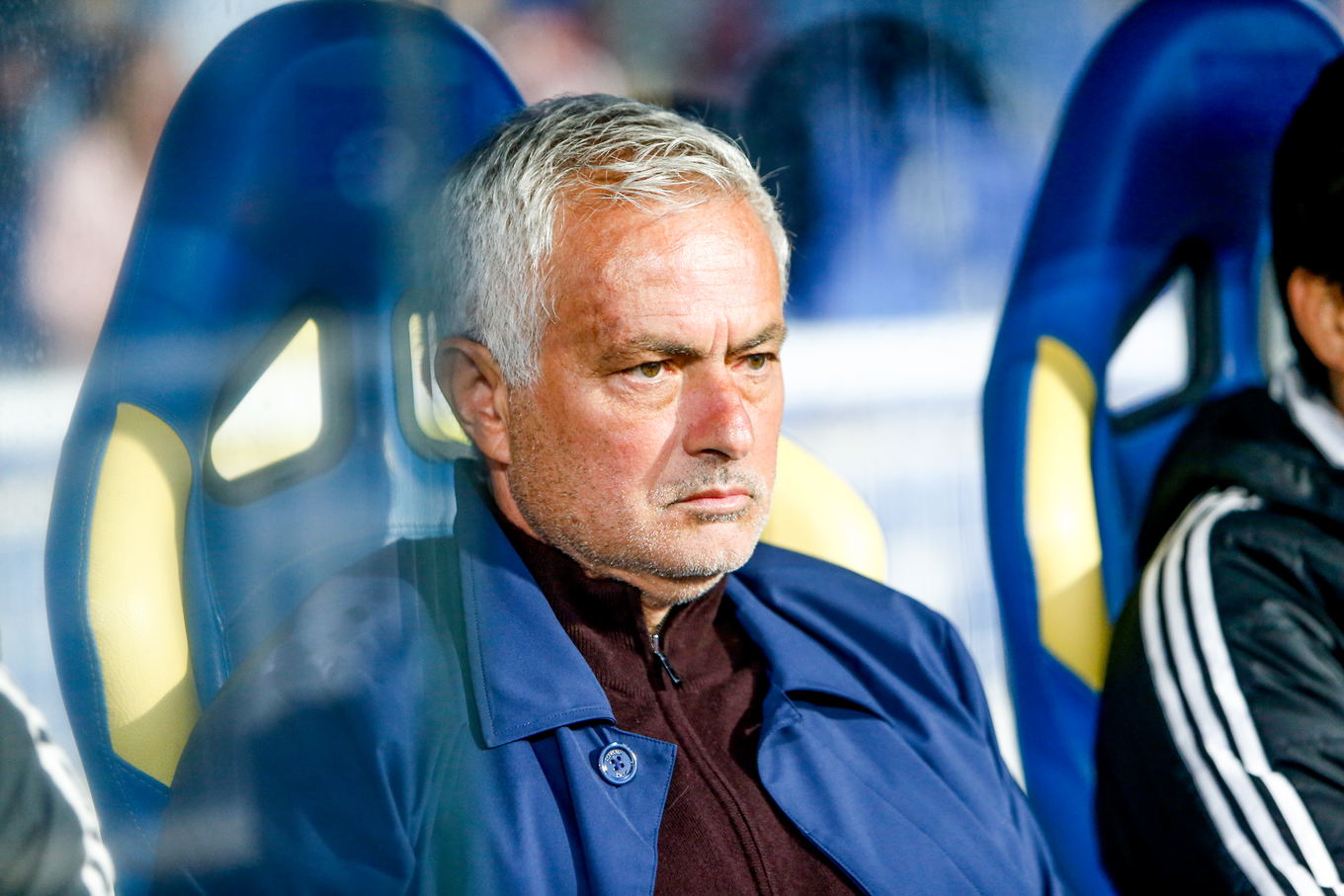
Brahim Díaz spoke those words after his first training session under Jose Mourinho, distilling the returning manager's central message to a single truth: collective sacrifice before individual brilliance. Real Madrid finished 8 points behind Barcelona in La Liga 2025-26, and Mourinho arrives to reset the culture, not merely tinker with tactics. The risk is immediate: the squad contains Kylian Mbappé, Vinícius Júnior, and Jude Bellingham, whose egos have already fractured the dressing room. Can Mourinho's force of personality glue them back together?
The Mourinho mandate
Mourinho's return marks 13 years since he departed Real Madrid in 2013. He arrives not as a fresh voice but as a reassertion of uncompromising standards. Rui Faria, his former assistant, told Spanish media: "I think he should never have left. Real Madrid is the perfect club for him. He is a coach who feels comfortable in scenarios of maximum pressure and with the responsibility of fighting for all titles."
The context demands urgency. An 8-point gap to Barcelona is not a collapse - it suggests complacency, a squad operating below its ceiling. Yet Brahim Díaz, speaking to goal.com, framed it as a collective obligation: "The most beautiful thing on a collective level is winning titles. This is Real Madrid, and we have to win titles." It's not ambition; it's duty. Mourinho's gamble is that he can make that duty felt across every training session and every match.
Three egos, one mandate
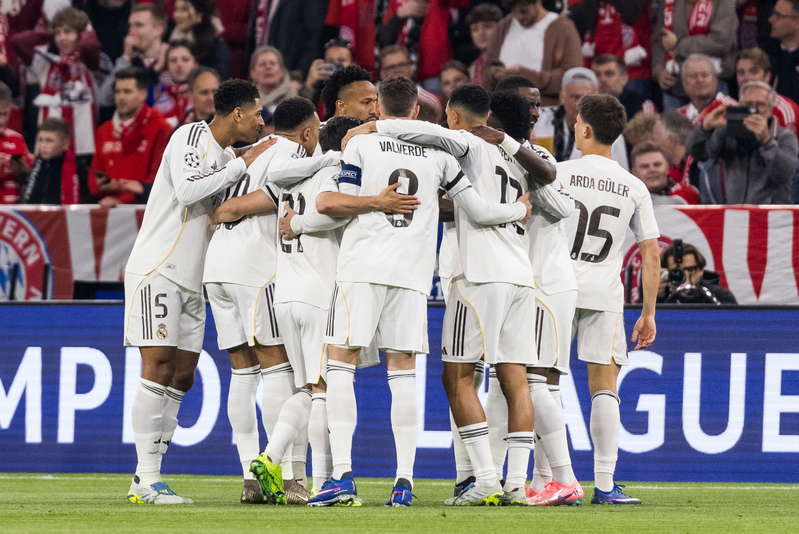
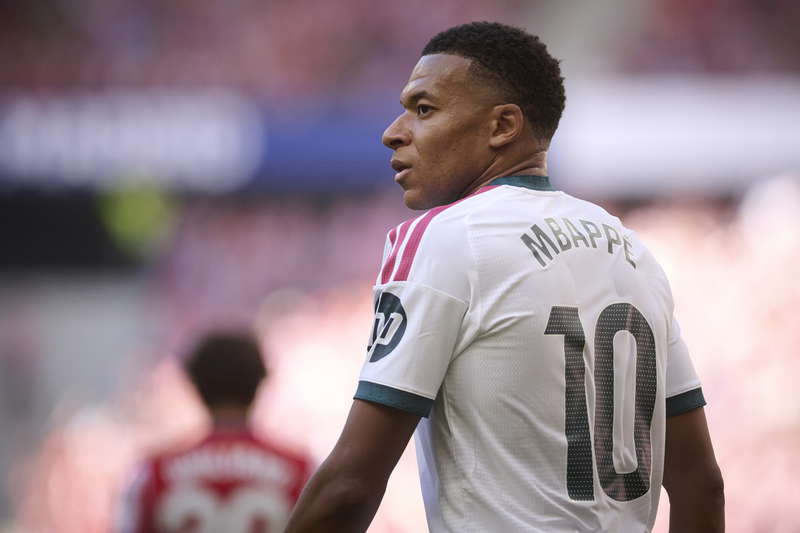
The 2025-26 season was defined by interpersonal tension. Bellingham and Mbappé had a fraught relationship; Vinícius and Mbappé clashed as well. Both conflicts played out in the dressing room and on the pitch, rooted in competing demands for possession and authority in the attack. That this fractured a squad built around three genuinely elite talents suggests the problem was not skill - it was chemistry.
The summer has shown what's possible when these players perform in harmony. Bellingham scored 7 goals and 1 assist in 8 World Cup appearances. Vinícius scored 4 in 5 matches. Brahim Díaz, the midfielder expected to thrive under Mourinho, finished as the tournament's second-highest assist provider with 4 in 6 appearances. The talent is there. The question is whether Mourinho can impose the discipline to keep it aligned.
Mourinho's response is counterintuitive. Rather than recruiting a left winger to ease pressure on Vinícius, he has brought Bernardo Silva from Manchester City on a free transfer through 2028. Silva arrives as a former City captain with proven leadership credentials. Yet his role at Real Madrid carries tactical risk: he is expected to play as a deep-lying midfielder in the double pivot, a position far removed from his history as an attacking midfielder.
The deployment reveals Mourinho's hierarchy. He is not chasing midfield creativity; he is anchoring stability. By fortifying the pivot with Silva, Mourinho hopes to allow Mbappé, Vinícius, and Bellingham to attack with fewer defensive obligations. Whether that reduces friction or simply delays it remains unclear.
Expert Matt Law noted the fragility: "It could be an amazing season at Real Madrid or the wheels could come off again like they did last season, with people fighting in the dressing room."
What unfolds next
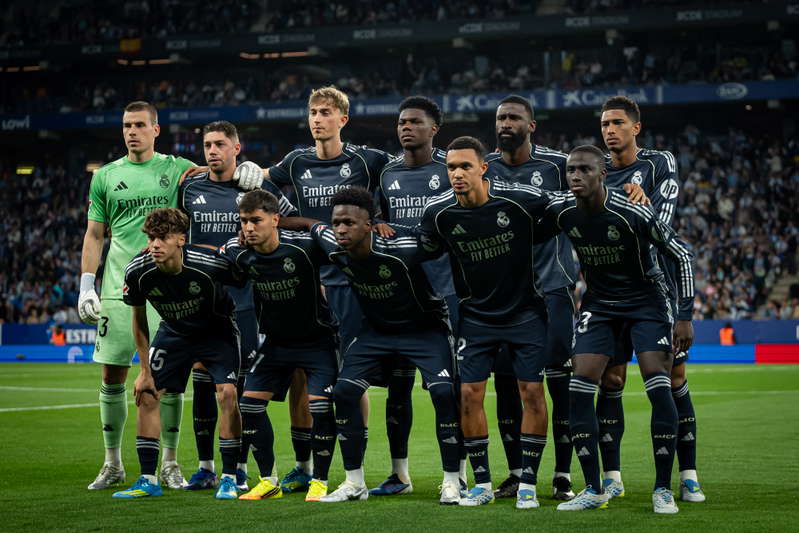
The opening fixture away at Espanyol is 22 August 2026. Real Madrid enters with reinforcements - Silva and Yan Diomande among them. Yet the real test arrives in October, when the fixture list thickens and the elite players tire. Will they still believe in Mourinho's insistence on collective work? Will the three big personalities compete selflessly for the ball, or will resentments resurface?
Brahim's closing reflection after his first week suggests at least early alignment: "On an individual level, I'm going to give my best version in every match."
If the squad holds through October - if players truly believe that hard work matters more than their own brilliance - the title is Real Madrid's to lose.
FAQ
Can Mourinho fix Real Madrid's dressing room after last season's clashes?
Mourinho has returned after 13 years with a singular focus: intensity and collective sacrifice. While Bellingham, Mbappé, and Vinicius have clashed, he has brought Bernardo Silva, a former Manchester City captain, to anchor the midfield. Whether that stability holds depends on whether the squad buys into his non-negotiable demand for hard work.
Why is Bernardo Silva playing midfield instead of attacking?
Mourinho deployed Bernardo in a deep-lying midfielder role to stabilize the pivot and reduce pressure on the attacking trio. It's a departure from his position at Manchester City, but it reflects Mourinho's priority: anchoring stability through tactical flexibility and leadership presence.
What happened to Real Madrid in 2025-26?
Real Madrid finished 8 points behind Barcelona, with both injury absences and confirmed interpersonal friction in the dressing room - particularly between Bellingham and Mbappé, and between Vinicius and Mbappé. Mourinho's mandate is to reset the culture and enforce collective sacrifice.
Written by Daniel Hartley with AI-assisted research, cross-checked against 5 outlets. How we work →