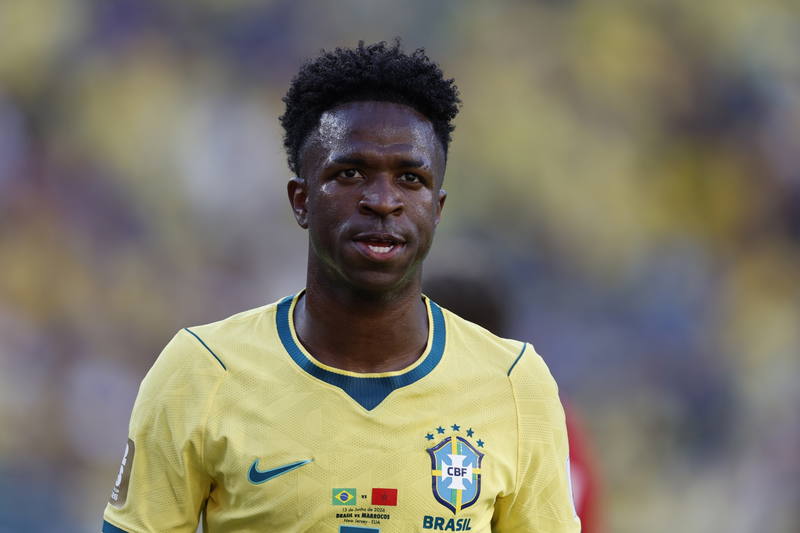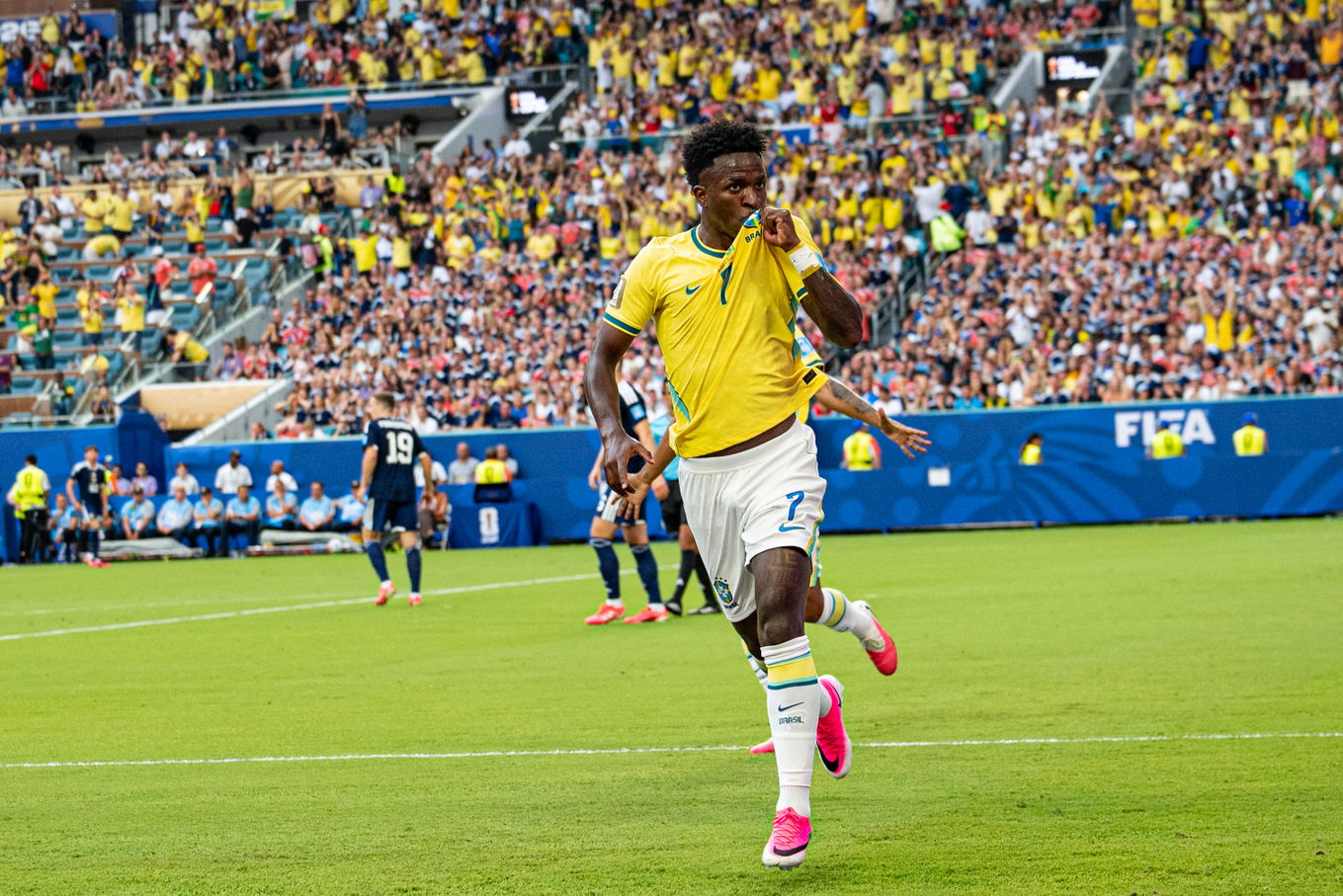
"We are in an era where we fight against bullying, but with Viní it's straightforward bullying—from the crowd, from the opponents. This is all orchestrated, from the start of the match it's like that," José Mourinho said after Real Madrid's 2-1 win over Espanyol on 22 August. It was his competitive debut as Real Madrid manager, and within 90 minutes he had already mounted a fierce defence of Vinícius Júnior against what he described as a coordinated campaign of provocation. The pivot was notable: Mourinho acknowledged that he had previously critiqued the winger during his time as an opponent. "I run the risk of you going back months to find my words from when I was Vini's opponent," he said. "But now Vini is mine. He's no saint, but what they do to him is too much."
The evidence for his defence was immediate. By the 32nd minute, Vinícius Júnior had been fouled repeatedly and received a yellow card for unsportsmanlike conduct following an altercation with Álex Calatrava. Forty-four minutes later, another Espanyol defender, Edu Expósito, earned his own yellow card for a foul on the same player. To Mourinho, this pattern—different players rotating in to provoke, each carrying different cards—was not incidental physicality but tactical design.
The mechanism of provocation
Mourinho detailed the structure with a coach's precision. "From the first minute, it's like he's already been given a set routine," he explained. "Now I foul him, now you foul him, one player gets a yellow card, another comes on without one. It's incredibly frustrating for him; he needs to have a lot of mental control." The system weaponizes inconsistency—each foul lands differently, making it impossible for Vinícius Júnior to respond uniformly or anticipate the next contact.
Despite the fouling, Vinícius Júnior's physical dominance endured. He won 6 of 7 ground duels (85.7%), maintaining technical composure under sustained pressure. Yet his yellow card revealed the trap: the winger faced jeopardy for defending himself, a double bind created by the environment rather than by rule. At half-time, Mourinho gave him explicit instruction. "I even told him in detail: 'If you score a goal, be careful how you celebrate it so I can keep you on the field.' It's tough," the manager said. The statement crystallized his concern—a player operating under restrictions imposed by opposition design, not by his own lack of discipline.
Espanyol's manager, Manolo González, rejected this reading. "Damn it, we can't touch him. I haven't seen any exaggerated tackles," he said. "The fouls he has received are normal and nobody went looking for him. They are part of the game." González normalised contact as standard fixture play, explicitly denying coordinated intent. This disagreement cuts to a fundamental interpretation: was Espanyol defending stiffly within accepted boundaries, or was Mourinho correct that they had engineered a systematic attempt to destabilise one player?
The narrow victory and its meaning
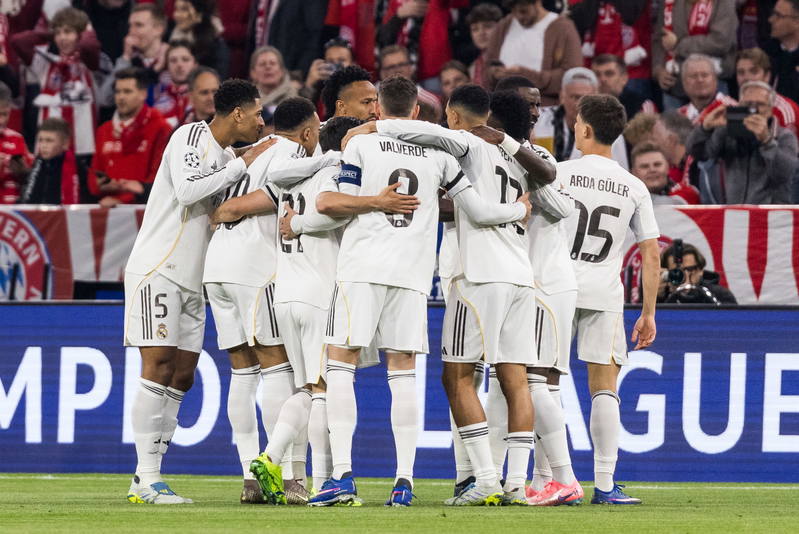
Real Madrid's path to three points masked a genuinely competitive contest. Jude Bellingham opened with a header in the 9th minute, but Álex Calatrava equalized in the 30th. The match stayed level until Carlos Espí, a summer signing making his competitive debut, struck the 90th-minute winner. It was a dramatic finish that risked obscuring how much Espanyol had pressured Real Madrid.
Mourinho's assessment suggested González's side "didn't deserve to lose"—a backhanded respect for their organisation even as he condemned their alleged targeting. This tension reveals his emerging priority at Real Madrid: not merely winning fixtures, but defending attacking players from what he perceives as systematic opposition campaigns. Vinícius Júnior, coming off World Cup form that averaged 7.94 across five appearances, sits at the centre of that protection. Whether this pattern of targeting holds across the campaign will shape both the winger's season and whether Mourinho's framing becomes a recurring claim—or whether referees treat such campaigns as tactical violations demanding intervention or as standard fare to be managed in play.
FAQ
Why did Mourinho criticize Espanyol's approach to Vinícius Júnior?
Mourinho described Espanyol's treatment as 'orchestrated bullying,' citing a coordinated pattern of rotating foulers with inconsistent card discipline from the first minute. He said different defenders were assigned to foul Vinícius, creating a designed environment where the winger risked cards for defending himself rather than committing fouls.
Did Vinícius Júnior perform well against Espanyol despite the fouling?
Yes. Vinícius won 6 of 7 ground duels (85.7%), maintaining physical dominance and technical composure despite the repeated fouling. However, he received a yellow card in the 32nd minute after responding to provocation, creating the double jeopardy Mourinho highlighted—fouled, then carded for retaliation.
What does Espanyol's manager say about the targeting claims?
Manolo González flatly rejected Mourinho's framing, saying 'The fouls he has received are normal' and 'nobody went looking for him.' González characterized the contact as standard play, not orchestrated or excessive. The disagreement reflects fundamentally different interpretations of acceptable physicality.
How did Real Madrid win a tight match against Espanyol?
Jude Bellingham scored in the 9th minute, but Álex Calatrava equalized in the 30th. The match remained level until Carlos Espí, a summer signing making his competitive debut, scored the 90th-minute winner. Mourinho acknowledged Espanyol 'didn't deserve to lose,' reflecting the match's competitive nature.
Written by Daniel Hartley with AI-assisted research, cross-checked against 4 outlets. How we work →