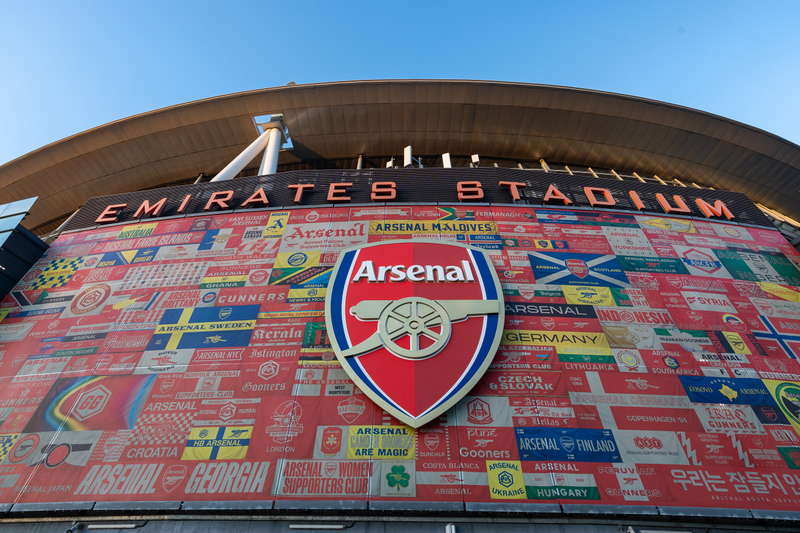



Myles Lewis-Skelly is starting to look more like a midfield option than an emergency left-back for Arsenal. He came through Hale End as a midfielder, has always said that is his best position, and his end to last season gave that view real weight. In March 2025, he became the youngest man to score on England debut, opening a 2-0 win against Albania at Wembley. He then started all but one of Arsenal's final nine games as the club won the Premier League and reached the Champions League final.
The midfield evidence
The numbers from recent appearances are tidy enough. Lewis-Skelly posted a 6.9 rating in Arsenal's 2-1 win at Crystal Palace and another 6.9 in the 1-0 win at West Ham. He also delivered a 6.3 in the home win over Burnley and a 6.3 in the Champions League win over Atletico Madrid. That is not the profile of a player being thrown into midfield and surviving by accident.
Riccardo Calafiori helped explain the feel around him, saying: "We just speak in the last few days about this connection that we have - we don't need to speak. I really like to play with him, a really good player." That kind of comment usually follows players who make the game easier for the people around them.
The squad picture around him
The path is still crowded. Arsenal had considered listening to offers for Lewis-Skelly before his strong end to last season, which says plenty about how quickly the picture has shifted. Mikel Arteta, speaking to BBC Sport, admitted he has been tough on Lewis-Skelly.
There is also the recruitment side. Arsenal are moving closer to completing the signing of Newcastle captain Bruno Guimarães for a fee which could be up to £80m. That does not close the door on Lewis-Skelly, but it does sharpen the competition for central minutes.
Arteta does not have to hand out a permanent starting role yet. Lewis-Skelly has already shown enough in midfield to make that a real discussion, and the centre of the pitch still looks like the clearest route into Arsenal's XI.
Written by Jack Mercer with AI-assisted research, cross-checked against 1 outlet. How we work →