

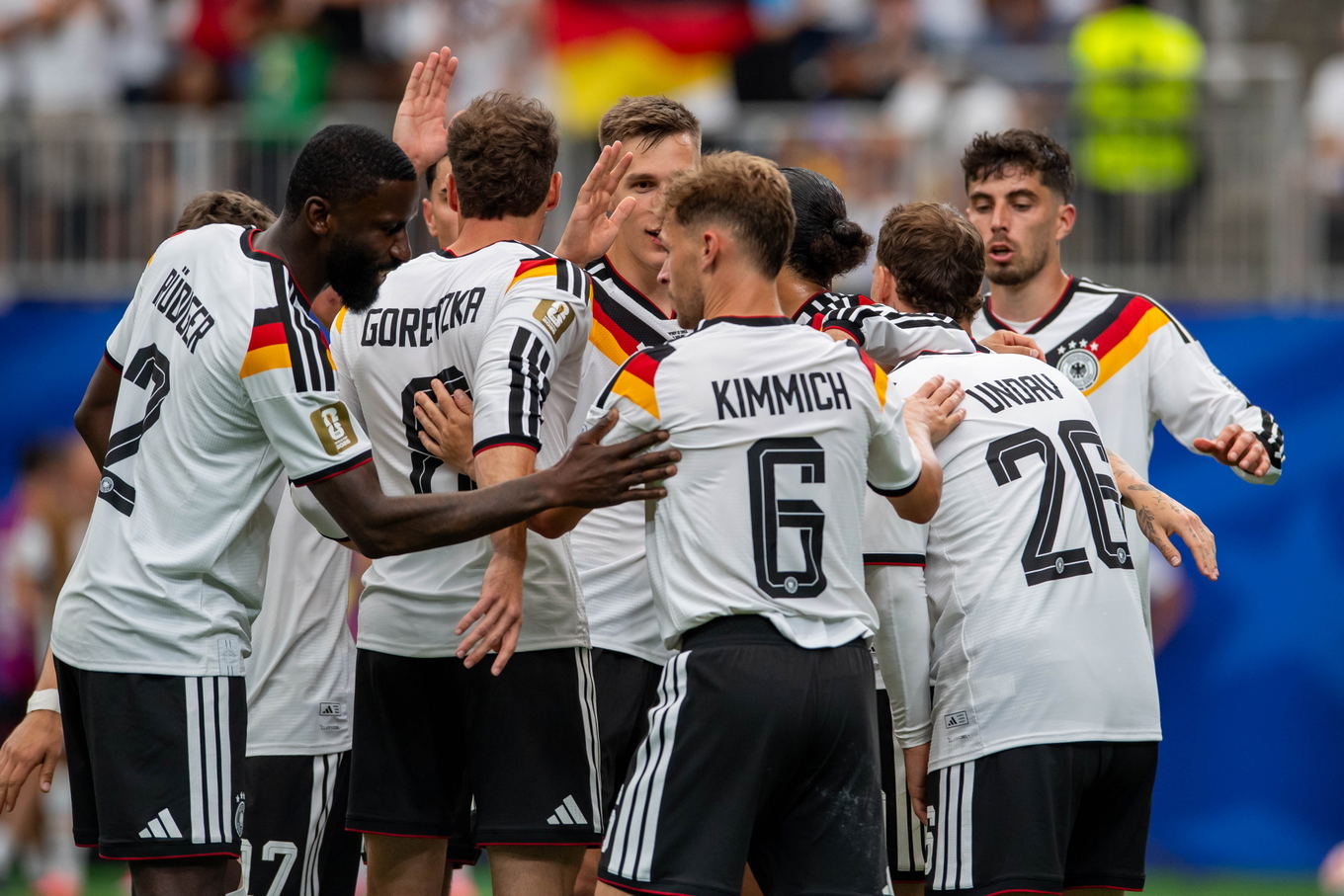
On 7 October 2026, the Night of Seville is being retold on the theatre stage at the Münchener Residenztheater. The production is a documentary play by author Manuel Neukirchner, with Peter Lohmeyer performing all roles, and Karl-Heinz Rummenigge, Harald Schumacher and Pierre Littbarski are set for a public discussion at the performance.
The match's lasting force
The draw of the piece is obvious enough. More than four decades on, the 1982 France-Germany World Cup semi-final still carries the kind of violence and emotion that can fill a theatre, and the quotes from the men involved show why.
Pierre Littbarski told SPORT1, in comments translated from German: "A drama, but at the same time a quality at the very highest level". Paul Breitner said the stage version is "entertaining, highly exciting and at least as good as the more than two hours in the stadium of Sevilla".
Lucien Littbarski went even further about what the night left behind: "I think that is an absolute trauma for them. For a year Schumacher, I think, was not allowed to stay near France." Battiston has not changed his view either, saying: "A lot of people have asked me that very often. And my answer has not changed in all these years: no."
The collision that still defines it
The match itself is remembered for the incident in the 57th minute, when with the score at 1:1, Schumacher crashed with his pelvis into the head of Patrick Battiston. Battiston later woke up in hospital after suffering a broken cervical vertebra and losing two teeth, and Schumacher did not even receive a yellow card.
Maurice Vrillac, the team doctor, said: "I thought he was dead. I didn't feel a pulse for two minutes." Philippe Mahut, meanwhile, told Battiston simply: "3:1 for us."
Written by Sam Whitfield with AI-assisted research, cross-checked against 1 outlet. How we work →