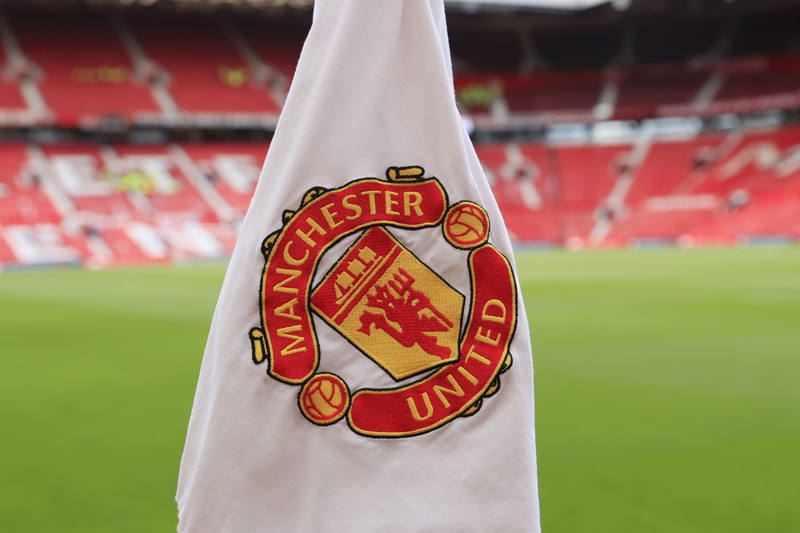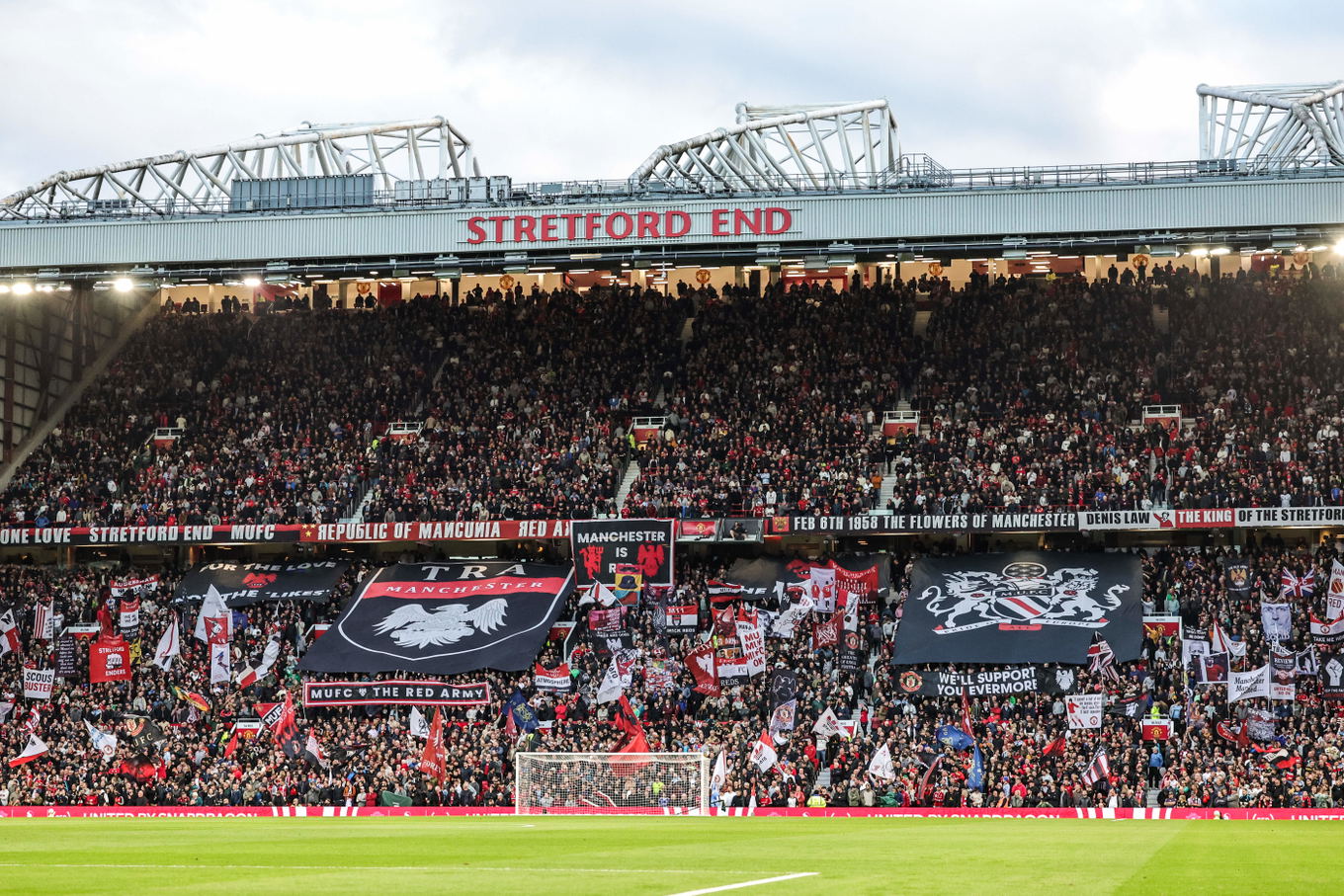
Old Trafford opened on 19 February 1910, and it still holds 74,140 spectators. Manchester United's ground has been part of the club's identity for more than a century, but the numbers only tell part of the story. It sits in western Manchester, roughly two miles south-west of the city centre, and the stadium was severely damaged by German bombing raids in the early 1940s.
The ground's history and scale
The first game there came against Liverpool, a 4-3 defeat for United, and the venue has been central to the club ever since. It also hosted three group games at the 1966 World Cup, another marker of how far beyond club football its profile has stretched.
The stadium's size remains one of its defining features. A 74,140-capacity ground is still a major asset on matchday, and it helps explain why Old Trafford keeps coming back into broader conversations about United, even when the football around it changes.
Ownership around the stadium
The modern ownership backdrop is more complicated. The Manchester Evening News reported that both the Glazer family and Sir Jim Ratcliffe are in charge of Manchester United, with the Glazers retaining around 71 per cent and Ratcliffe holding 28.94 per cent after his 2024 investment.
That split matters because the stadium is never just a stadium at United. It sits inside a wider club structure that is still being worked through, and Old Trafford remains one of the few constants in it. For all the debate around ownership, the ground opened in 1910, was damaged in wartime, and still stands as the club's home today.
Written by Jack Mercer with AI-assisted research, cross-checked against 2 outlets. How we work →