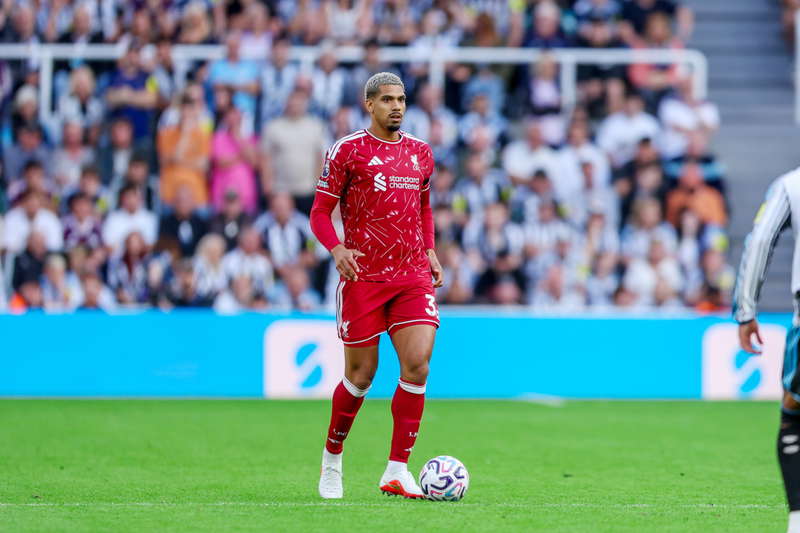


Pascal Struijk's red card in Brighton's win over Sunderland has produced one of those rare cases where the appeal process and the panel review point in opposite directions. Brighton appealed, an independent regulatory commission overturned the red card and the one-match ban, yet the Key Match Incidents panel still voted 3-2 that the VAR intervention was correct.
The dismissal and the appeal
Referee Thomas Bramall watched several replays before changing his decision and showing Struijk a red card after the VAR review for denying an obvious goalscoring opportunity. The incident involved Wilson Isidor, and the debate has stayed centred on whether he would have reached the ball before Bart Verbruggen.
Mike Dean, speaking to Sky Sports, said: "I don't think it's a sending off, it's very harsh. There's a slight barge but the ball has gone through to the goalkeeper. Isidor is never going to get the ball, so the on-field decision is correct."
Dermot Gallagher took a more conditional line: "It's a foul. If the referee whistles at that point, pulls out a yellow card, and it all goes away."
Why the panel stayed split
The KMI panel's 3-2 vote is the awkward part of this story, because it leaves two formal verdicts sitting side by side. The commission cleared Struijk. The panel said the VAR intervention was correct.
Michael Dawson said he would have stayed with the on-field decision because it was "subjective", while Jay Bothroyd said the goalkeeper was competing and that it was not obvious Isidor was going to get there. Gallagher, though, suggested the chance may have crossed from an obvious opportunity into a possible goalscoring one, which would have made yellow the likelier card.
The Premier League has said the commission and the KMI panel are entirely separate bodies with different purposes and processes. That is why the overturn does not erase the panel vote, and why this case is still being argued in public even after the ban disappeared.
Written by Jack Mercer with AI-assisted research, cross-checked against 1 outlet. How we work →