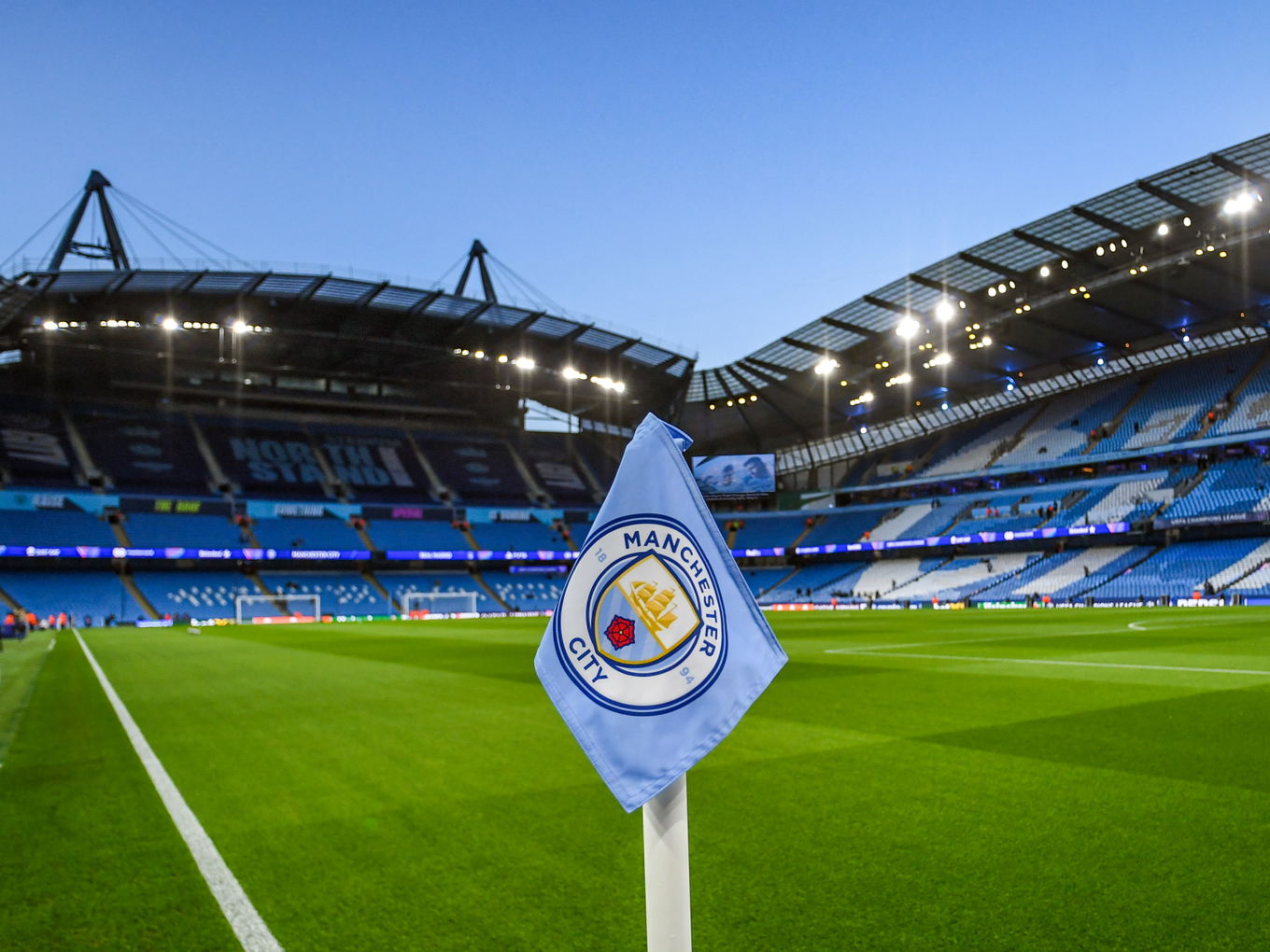
Pep Guardiola leaves Manchester City with 17 major trophies in 10 seasons at the club, and with a broader case that goes well beyond the medal count. He has won 41 trophies across his 17-year managerial career and 12 league titles in those 17 years. The exit debate is less about the farewell itself than about what his career has done to the game around him.
Why Guardiola's case is bigger than trophies
Joan Laporta's “No tens els collons. (You don't have the balls.)” line is part of the origin story, but the point now is what followed. Guardiola did not just stock a cabinet at Manchester City, he changed the standard for what a dominant side should look like. The brief points to three distinct City teams under him, starting with a beautiful title-winning side, moving to a more battle-hardened group with Erling Haaland, and ending with the current evolving version.
That matters because it shows adaptation, not a single settled idea repeated for a decade. The record is massive, but the more interesting part is that his methods travelled with him, and not only through the teams he coached.
Vincent Kompany, who captained Manchester City from 2016-2019, said: "Of course I have my own character and personality, but I have Pep to thank for this trust and belief that I could become a coach. His influence was big. People talk a lot about tactics and technique, but in the end it's about this willingness to win everything and always keep going. For me it was a gift to be able to work with Pep. The years I worked with him gave me this hunger to become a coach."
That is the strongest evidence in the brief for the influence argument. Kompany is not describing a manager who only won. He is describing one whose ideas helped shape a future coach's mindset.
The one caveat that still sits there
The criticism is not hard to find. The brief frames City's Champions League return on Guardiola's decade as one European Cup in 10 years, and that will always sit in the conversation. It is the cleanest reason some people will keep a qualifier attached to his City spell.
But the qualifier does not erase the rest of the record. Seventeen major trophies at one club, 41 in total and 12 league titles in 17 years is not normal volume. If the debate is whether Guardiola's legacy is only about silverware, the evidence says no. If the debate is whether the silverware by itself is already enough, the answer is also yes.
The final tension is timing, because the sources do not line up cleanly on whether he is leaving now, this summer, or has already gone. What does line up is the scale of the exit, and City will now have to live with both the trophies and the football he left behind. The next chapter belongs to the club, but the story of Guardiola's City will keep being measured against what came before it.
FAQ
Why is Pep Guardiola's Manchester City exit being viewed as bigger than a normal farewell?
Because the case around Guardiola is not just about trophies. Manchester City won 17 major trophies in 10 seasons under him, he has 41 trophies in 17 years overall, and he has won the league 12 times in 17 years. The argument is that his influence on coaching and how football is judged matters as much as the medal count.
What is the strongest argument against Pep Guardiola's legacy at Manchester City?
The main caveat is European success. The brief frames City's Champions League return on Guardiola's decade as one European Cup in 10 years, which is the obvious blemish in an otherwise dominant domestic record. Even so, the overall case remains huge because of the 17 major trophies and the scale of his influence.
How many trophies has Pep Guardiola won in his managerial career?
Guardiola has won 41 trophies across 17 years as a manager. At Manchester City alone, he has won 17 major trophies in 10 seasons, and he has also won the league 12 times in 17 years. Those numbers explain why his exit is being treated as a historical moment, not just a club change.
Written by Jack Mercer with AI-assisted research, cross-checked against 4 outlets. How we work →