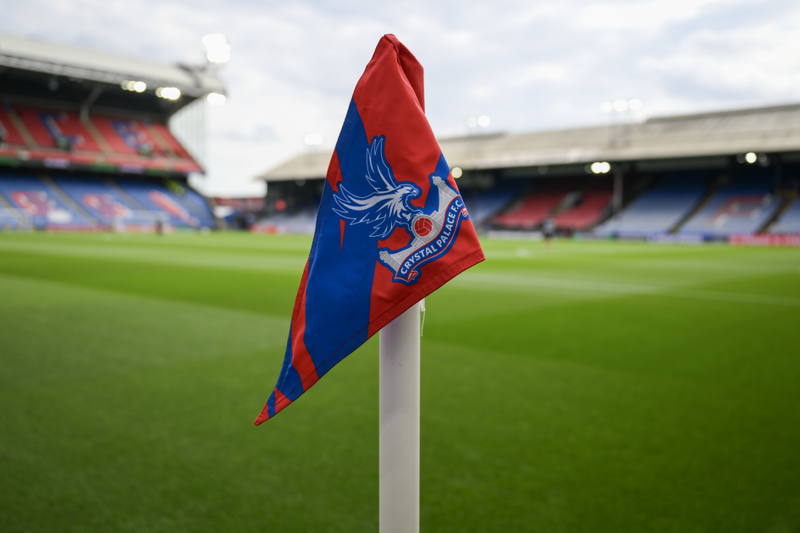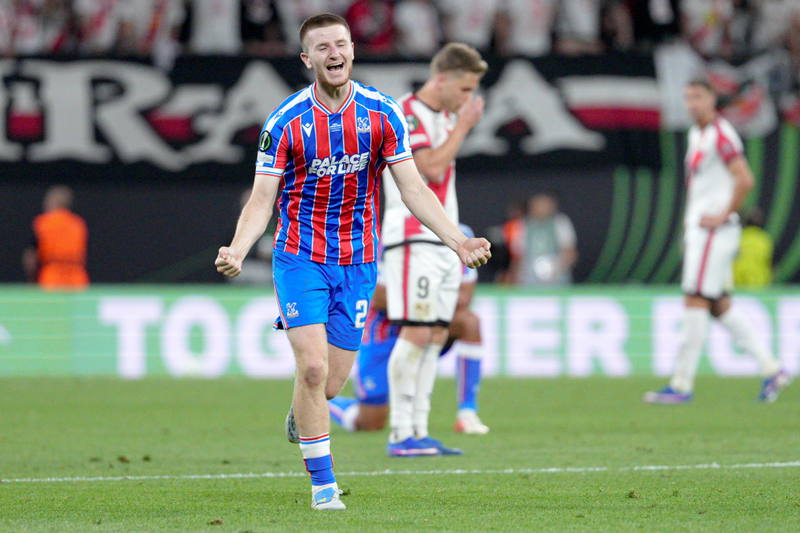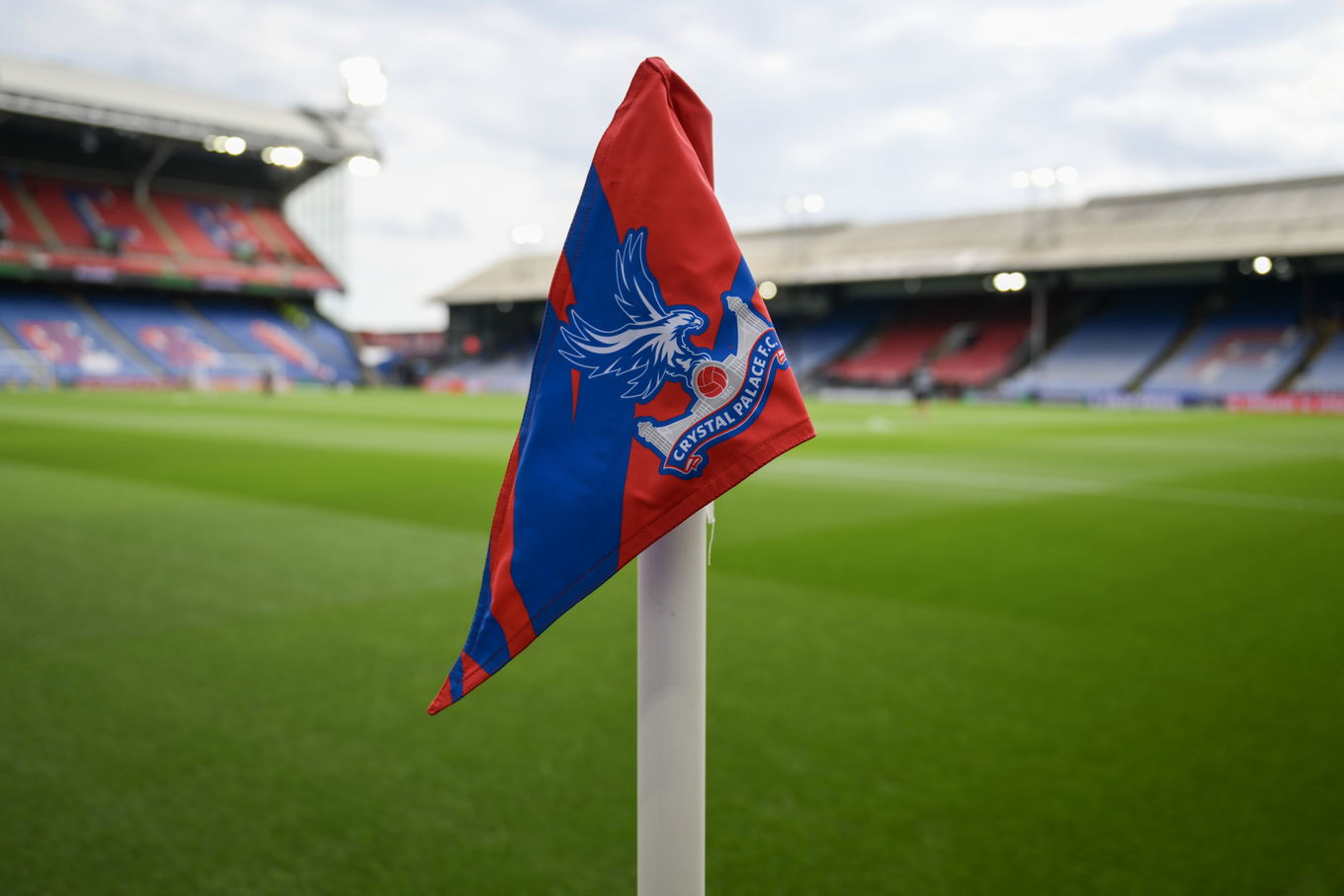
Earlier this week we reported that Crystal Palace had agreed a three-year deal with Pierre Sage. Now that appointment is official, the more interesting part is not the contract itself but why Palace chose him. This is a continuity move. Sage has signed until the summer of 2029, and Palace have turned to a coach who uses the same 3-4-2-1 system as Oliver Glasner rather than ripping up the structure that had already defined the team.
That matters because Palace were not appointing into chaos. They finished 15th in the Premier League with 45 points, which is a stable enough platform, but the last five league games went LDLDL. The club needed a response after Glasner's exit, not a total rebuild.
Why Palace have gone for continuity
The clearest detail in this appointment is tactical. Sage operates with the same 3-4-2-1 shape as Glasner, so Palace are not asking the squad to learn a completely different game model from day one.
That is a sensible call when the club already has players who suit the system. Even without stretching beyond the evidence, it is easy to see why Palace would prefer familiarity here. A back-three structure affects everything from wing-back roles to the positioning of forwards, and changing it would have created more friction than the club needed at the start of a new cycle.
Sage himself acknowledged the scale of what he is walking into. Speaking to standard.co.uk, he said: "Glasner achieved some amazing things, and now I have to do the same".
That line does two things. It respects the previous regime, and it also tells you Palace are not pretending this is a blank-slate appointment. Glasner won three trophies in two-and-a-half seasons at Selhurst Park, so replacing him with a tactical near-neighbour is the safer football decision than chasing novelty for its own sake.
There is another reason the fit matters. Palace moved for Sage after Andoni Iraola became Liverpool head coach. Once that changed the market, Palace needed a candidate who could step in quickly and keep the foundations of the team intact. In that context, Sage looks less like a gamble on style and more like a practical answer to a sudden vacancy.
What Sage brings from Lens
Continuity only works if the incoming coach has shown he can carry real weight of expectation. Sage has that part of the profile too.
At Lens, he finished second in Ligue 1 with 70 points. He also led the club to their first Coupe de France title in 120 years. Palace are not hiring him purely because he mirrors Glasner on a tactics board. They are hiring someone who arrives off the back of tangible success.
Sam Blitz summed up the mood neatly on Sky Sports: "Crystal Palace and Pierre Sage have something in common - they are in a trophy-winning mood."
That does not mean Palace are guaranteed anything. The sensible reading is narrower than that. Sage's record at Lens makes the appointment easier to defend because it shows he is not just a stylistic match, he is coming off a season in which results backed up the coaching.
His background also suggests Palace have leaned toward upward momentum rather than a safer, more familiar Premier League name. Sage had also coached Lyon before joining Palace, and his rise over the last two jobs has been quick.
What Palace are actually asking him to do
The state of the squad makes this an interesting job. Palace were 15th with 45 points, which is not good enough to dress up as progress but not bad enough to demand emergency measures either. The ending to the league campaign, LDLDL, points to a team that needed fresh direction.
That is why continuity and change are not opposites in this case. Palace can keep the same broad shape while still expecting sharper execution and a more stable run of performances. For players already comfortable in a 3-4-2-1, that should at least reduce the adjustment period.
It also puts early attention on how Sage uses attacking pieces in that structure. The next step for Palace is not simply preserving the outline of Glasner's system, but getting the best from players such as Jean-Philippe Mateta and Jørgen Strand Larsen within it.
That is the real reason this looks like a smart appointment. Palace have not chosen Sage to promise a stylistic revolution. They have chosen a manager whose recent work, and whose preferred system, gives them the best chance of avoiding one. The contract runs to 2029, and the first judgement will be whether Crystal Palace look settled quickly when Sage starts work.
FAQ
Why have Crystal Palace appointed Pierre Sage after Oliver Glasner?
Palace's move looks like a continuity appointment rather than a reset. Sage has signed a three-year deal until the summer of 2029 and operates with the same 3-4-2-1 system as Glasner. After Palace moved once Andoni Iraola became Liverpool head coach, the club chose a manager whose tactical shape already fits the squad.
What did Pierre Sage achieve at Lens before joining Crystal Palace?
Sage arrives from [Lens](club:lens) with a strong recent record. Lens finished second in Ligue 1 under him with 70 points, and they also won their first Coupe de France title in 120 years. That does not guarantee the same outcome at Palace, but it explains why his stock rose quickly.
Will Crystal Palace keep the same formation under Pierre Sage?
The strongest indication is yes. Sage uses the same 3-4-2-1 system as Oliver Glasner, which is why the appointment makes sense as a low-friction change. Palace are not starting from scratch tactically, and that should matter for players already used to the structure.
How stable is the Crystal Palace job for Pierre Sage?
Palace finished 15th in the Premier League with 45 points, so Sage is not walking into an immediate relegation crisis. Their recent league form, listed as LDLDL across the last five matches, also shows why the club wanted a fresh voice without tearing up the tactical framework.
Written by Jack Mercer with AI-assisted research, cross-checked against 2 outlets. How we work →