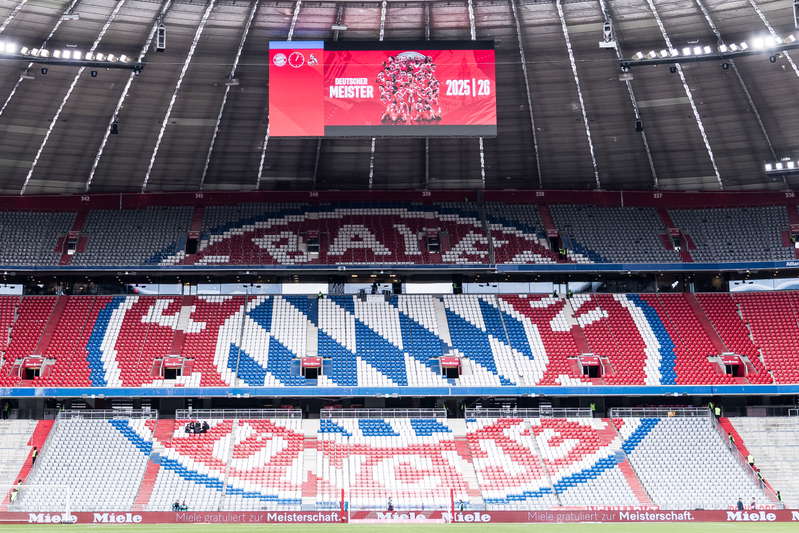


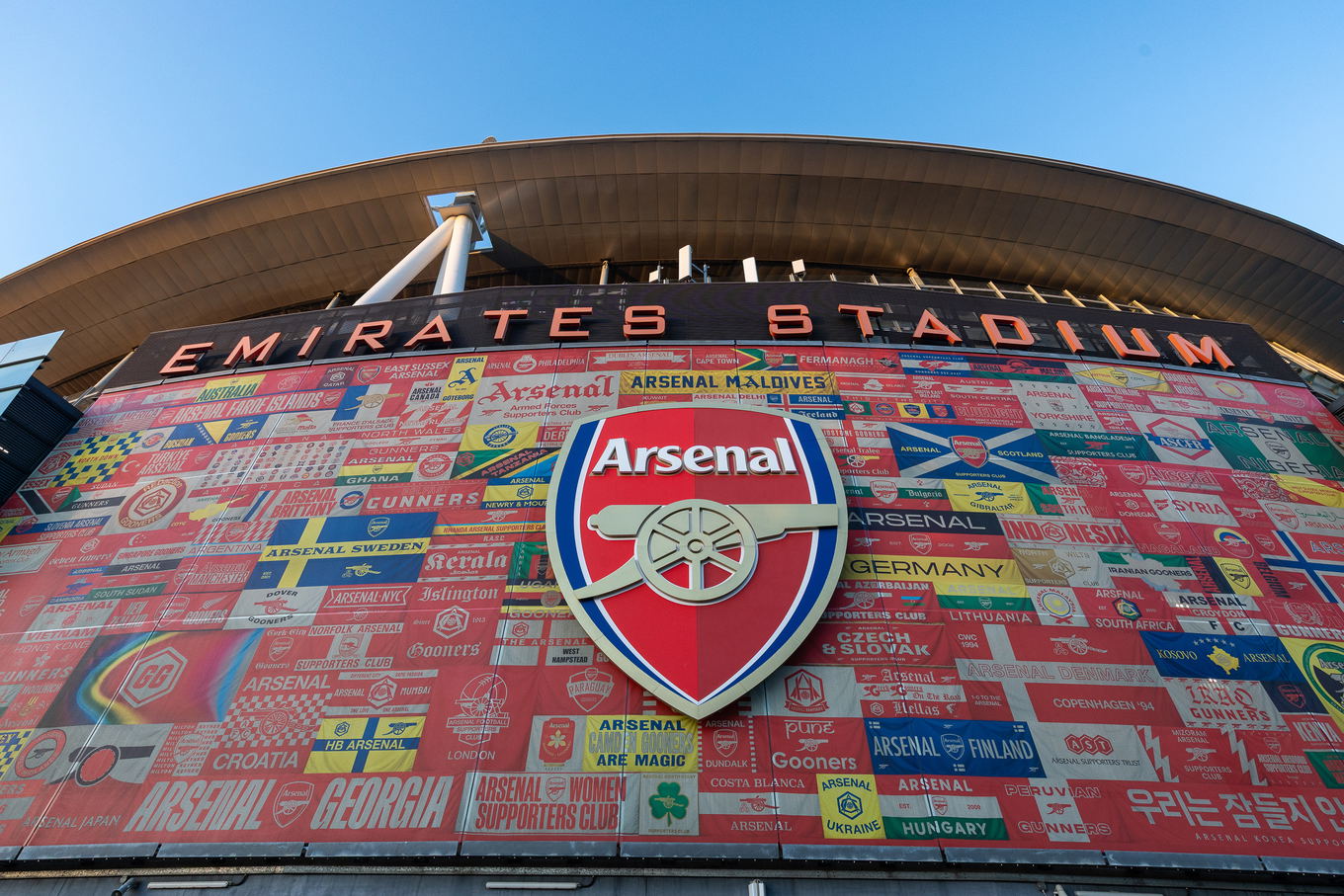
With the Premier League's official return scheduled for 21 August, elite clubs are already competing. The games are spread across the globe, from Hong Kong and New York to York and Bristol. Arsenal prepare for Borussia Dortmund at the Emirates on 9 August. Chelsea face Juventus in Hong Kong on 5 August. Manchester United play PSG in Gothenburg on 8 August. Aston Villa meet Bayern Munich in Hong Kong on 7 August.
While the World Cup is still going on, many Premier League clubs are already returning to pre-season training and friendly matches. The scale and ambition of these fixtures reveal divergent preparation philosophies. The pre-season calendar has become a window into competitive strategy: which clubs are testing themselves against elite opposition now, and which are taking a more measured path. The answer often depends on where a club finished and what it is targeting.
Elite opposition and league ambition
Arsenal lead the Premier League on 85 points after a 26-7-5 record across 38 matches. They won their Champions League group with 24 points, cementing their status as one of England's elite. Their pre-season schedule reflects that pedigree: Borussia Dortmund at the Emirates on 9 August, with Girona and Real Betis also on the card. These are not token opponents. Facing elite European opposition is part of a deliberate strategy to test themselves against the quality they will encounter in European competition and in a domestic title race.
The choice to host Dortmund at home grounds Arsenal's preparation in a statement of confidence. Chelsea, by contrast, are travelling to Hong Kong to face Juventus on 5 August, a move that signals ambition despite their 10th-place finish and 52 points from a 14-10-14 record. The Juventus match is part of a rebuild aimed at recalibrating their competitive level after a disappointing season in which they struggled for consistency.
Aston Villa finished 4th with 65 points and reached the Europa League semi-finals, where they accumulated 21 points in group play. Their fixture against Bayern Munich in Hong Kong on 7 August serves as a marquee test. A club targeting a sustained push into European knockout stages needs to know how it matches up against the continent's elite. Bayern Munich is that benchmark.
Manchester United's match against PSG in Gothenburg on 8 August follows a similar logic. Both clubs are testing themselves against opponents who offer a genuine measure of threat, not warm-up fodder but genuine measuring sticks.
The clubs still waiting
Not all Premier League clubs have announced their pre-season fixtures. Fulham and Hull City are listed with no schedule confirmed as of publication, contrasting sharply with the fully planned international campaigns of title contenders and European qualifiers. This gap is notable. Clubs with European football and championship ambitions have locked in opponents and venues by now. Clubs without that pressure still appear to be planning.
The divergence reflects pragmatism as much as anything else. Clubs targeting silverware are investing heavily in overseas travel and high-profile opposition. It is a show of intent and a test of readiness. Emerging clubs may be taking a more domestic or lower-profile approach, or finalising plans outside the initial announcement window. But the contrast between a fixed global calendar and a blank one speaks to preparation intensity heading into a demanding season.
A fixed deadline shapes everything
The Premier League returns on 21 August, a date that forces all preparation into a compressed window. Clubs preparing across five continents (Asia, North America, Europe, and the domestic circuit) are running against the same clock. For some, that means testing elite opposition in exotic venues. For others, it means deciding whether to announce their plans at all.
This is the first full pre-season since fixture congestion and European football shaped the 2025-26 campaign. Clubs are hungry for an edge heading into a season that will again test their depth and resilience. Those who choose marquee opposition (Dortmund, Bayern Munich, Juventus, PSG) are betting that the level of competition in July translates into sharpness come August, when the real stakes begin. The pre-season calendar, spread across the globe, reveals which clubs believe they are ready and which are still preparing in the shadows.
FAQ
When does the Premier League season start in 2026?
The Premier League officially returns on 21 August 2026. Clubs are preparing in pre-season friendlies from early August onwards, with fixtures scheduled across five continents.
Which clubs are facing the toughest pre-season opposition?
Arsenal face Borussia Dortmund at home on 9 August; Chelsea travel to Hong Kong for Juventus on 5 August; Aston Villa face Bayern Munich in Hong Kong on 7 August; Manchester United play PSG in Gothenburg on 8 August.
Why are Premier League clubs playing pre-season matches across different continents?
Title contenders are deliberately testing themselves against elite European opposition to prepare for both European competition and domestic challenges. The global scheduling also reflects club resources and commercial reach.
Have all Premier League clubs announced their pre-season fixtures?
No. As of publication, Fulham and Hull City had not announced their pre-season schedules, contrasting with title contenders and European qualifiers who had locked in full calendars across multiple continents.
Written by Jack Mercer with AI-assisted research, cross-checked against 1 outlet. How we work →