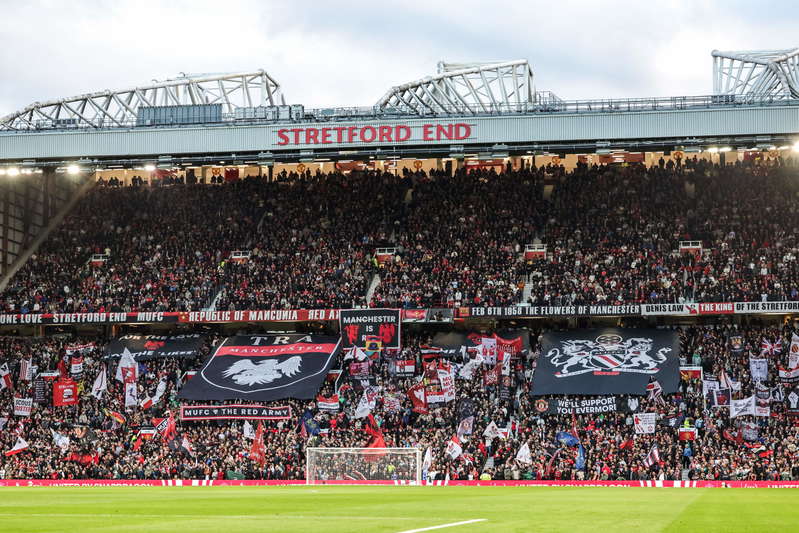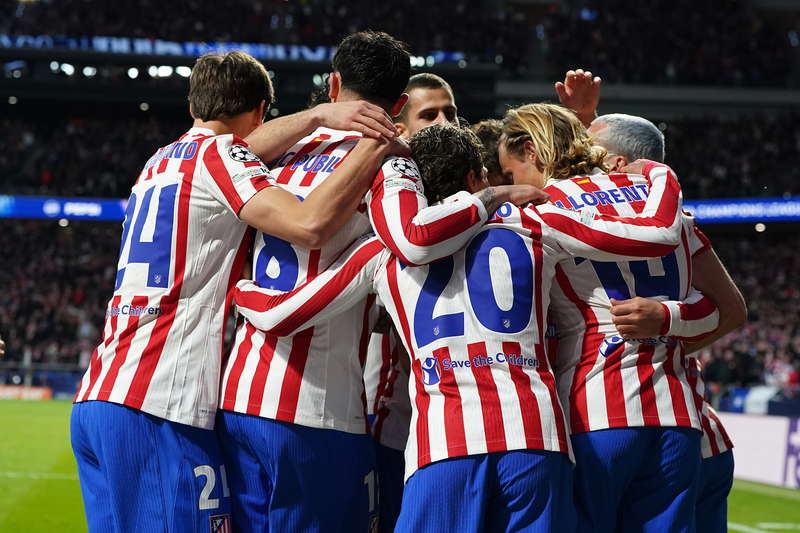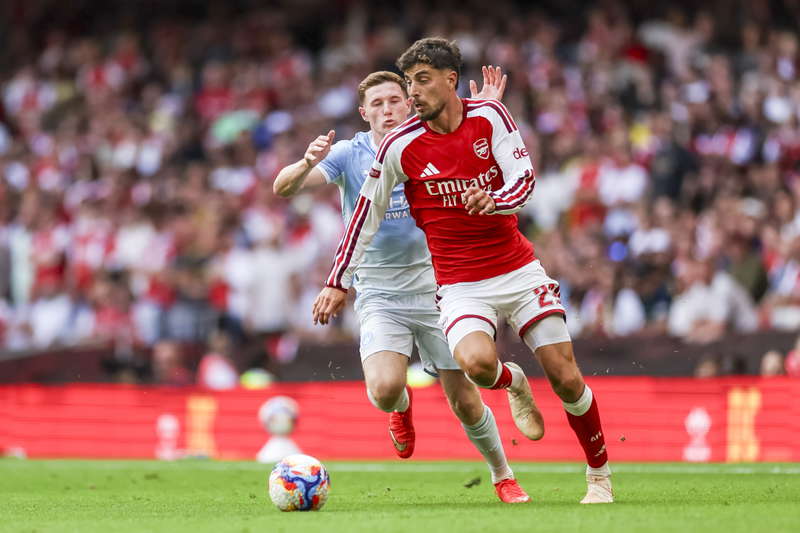


BBC Sport says authentic replica shirts for Arsenal, Celtic, Liverpool and Real Madrid were traced to two factories in Cambodia where workers described basic pay of less than £1 an hour. The report centres on Bowker Garment Factory and Trax Apparel, and the details are grim enough without any dressing up: low monthly wages, daily output targets running into the hundreds and heat that workers say is affecting their health.
The factories named in the report
BBC Sport traced the shirts to Bowker Garment Factory and Trax Apparel, giving the story a concrete supply-chain trail rather than a vague allegation about the wider industry. Workers at the factories said their basic monthly salaries were $210-$220 (£158-£166), while three payslips showed total monthly earnings of about $300 (£226) after overtime and allowances.
One worker at Bowker, quoted by BBC Sport, said: "It's hard to live with this amount."
Another worker at Trax told the broadcaster: "I want international customers to hear that one shirt they buy costs more than two weeks' salary for a worker." That is where the story bites for football supporters. These are not counterfeit shirts sold out of a market stall. The report concerns official merchandise tied to some of the biggest clubs in Europe.
BBC Sport said workers described production targets of between 300 and 700 items a day. A photograph inside Bowker showed a thermometer reading 35.2C, with humidity at 57.6%. An employee on the ironing line said: "The heat stress is really taking a toll on our health."
The same report also includes claims about pressure around quotas and safety concerns on the factory floor. One worker said managers would "scold and yell" if quotas were not met, while another said an electrical problem was only fixed after repeated shocks.
Adidas' response and the wider argument
This is where the story needs care. The BBC findings are specific and serious, but they are still findings from named workers and site reporting, not proof of wrongdoing by every company in the chain. Adidas pushed back strongly, saying: "We have taken a variety of measures to ensure fair and safe working conditions for workers across our supply chain for more than 25 years."
The company also said: "Through around 1,200 factory audits per year, we review and evaluate supplier conduct, work with suppliers to address issues and make improvements where necessary." Adidas added that average net wages across a group of its Cambodian suppliers were 34% above the Anker Research Institute's living-wage benchmark.
So the disagreement is not hard to spot. Workers described conditions that sound punishing and badly paid. Adidas says its oversight is extensive and long-running. Emma Vogt of the Clean Clothes Campaign, quoted by BBC Sport, said: "These are issues that many garment workers around the world face every day."
That last point is important because it stops the story from being reduced to one shocking quote or one bad day in one building, while still keeping the focus where it belongs, on the two factories named in the report. The findings point to a familiar gap between the premium price of elite football merchandise and the people making it.
What this means for clubs and supporters
There is no basis here to claim that Arsenal, Liverpool, Real Madrid or Celtic knowingly approved the conditions described by workers. But the clubs' names matter because official shirts carry trust as well as branding, and supporters generally assume the licensed product has passed basic ethical checks.
One worker who had worked at both factories put it in starker terms when quoted by BBC Sport: "Just think about that. If one shirt sells for $120 (£90) in the store, how much are they pulling in from 600 of them? They make a ton of money but give almost nothing to the workers."
That will not settle the argument on its own. Adidas has offered a defence built on audits, wage benchmarks and a long-standing compliance system. Still, when a report can point to named factories, pay slips, production targets and a photographed heat reading of 35.2C, it becomes very hard for football's shirt economy to hide behind glossy club-shop pricing.
FAQ
Why are Arsenal and Liverpool shirts being linked to Cambodian factory conditions?
BBC Sport reported that authentic replica shirts were traced to two Cambodian factories, Bowker Garment Factory and Trax Apparel. The report said official shirts for Arsenal, Celtic, Liverpool and Real Madrid were seen being made there, with workers describing low basic pay, heavy daily quotas and difficult heat inside the plants.
What did workers say they were paid to make official football shirts in Cambodia?
Workers told BBC Sport their basic monthly salaries were $210-$220, which the report described as less than £1 an hour. Three payslips showed total monthly earnings of about $300 after overtime and allowances, but workers still described the basic wage as hard to live on.
How has Adidas responded to the BBC report on shirt factories in Cambodia?
Adidas said it has taken measures for more than 25 years to ensure fair and safe working conditions across its supply chain. The company also said it carries out around 1,200 factory audits a year and told BBC Sport that average net wages across a group of Cambodian suppliers were 34% above the Anker Research Institute's living-wage benchmark.
Are the conditions in these football shirt factories described as isolated or industry-wide?
The report focuses on two named factories, so it should not be stretched further than that. At the same time, Emma Vogt of the Clean Clothes Campaign told BBC Sport that the issues described are faced by many garment workers around the world, while Adidas pushed back by pointing to long-running safeguards and audits.
Written by Jack Mercer with AI-assisted research, cross-checked against 1 outlet. How we work →