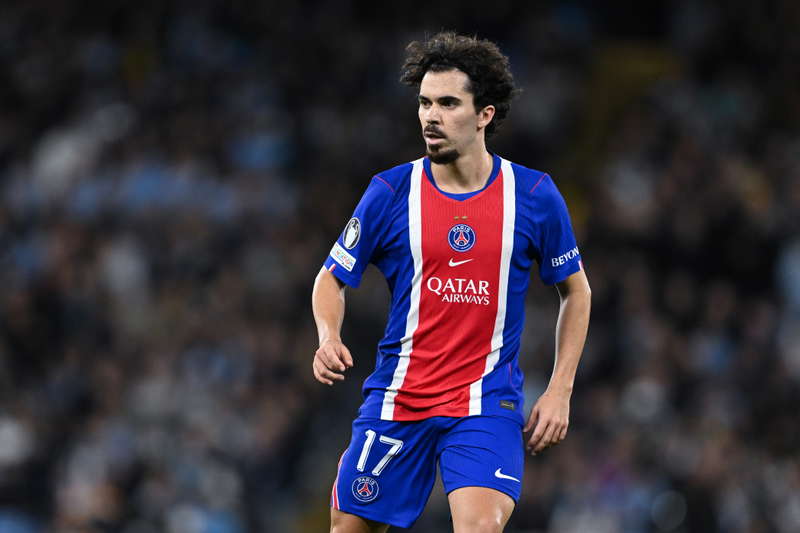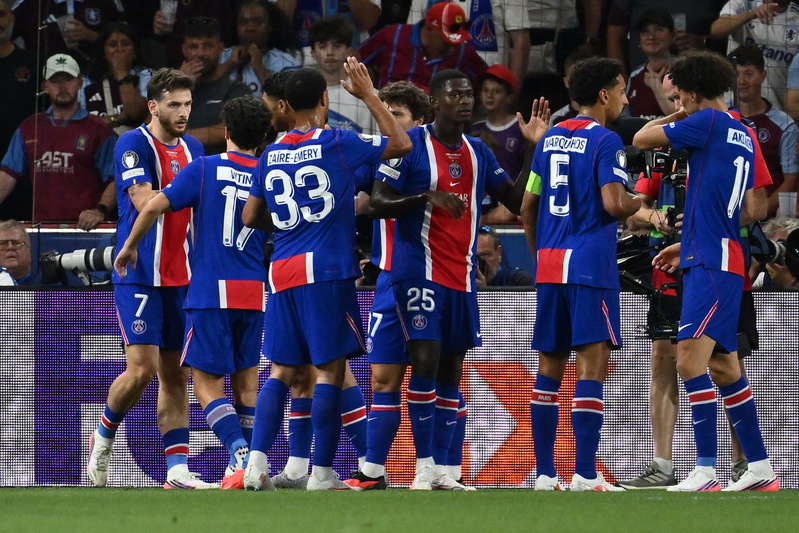


Earlier this week we reported on the first wave of disorder after Paris Saint Germain's win over Arsenal. The new figures show the scale of what followed. Police said 780 people were arrested across France, with more than 450 in custody, and 219 people were injured, including 57 police officers.
One person was found dead after an accident on Paris's ring road, where rioters tried to block traffic overnight. Laurent Nuñez said the state would allow celebration but not excesses, and added that most people go out to celebrate while others come to cause trouble and disturbances.
How the response has widened
The numbers have pushed this well beyond a local policing issue in Paris. France mobilised 6,000 police for Sunday's victory parade at the site of the Eiffel Tower, a sign that the authorities expect the public order problem to continue even after the football has been settled.
Nuñez's line is clear. "The vast majority go out to celebrate and it goes very well," he said. "But other individuals, who are not PSG supporters, who don't even watch the match, come to cause trouble and disturbances. We are here to prevent them from doing so. Our response is very firm."
That does not erase the fact that the unrest followed a major night for Paris Saint Germain, but it does matter for how the violence is read. The source itself says some of those causing trouble were not PSG supporters and had not even watched the match.
What happens next
The parade now becomes the next security test. With 6,000 officers deployed and the earlier arrest and injury totals already high, the focus has shifted from celebration to containment. If there is a clear lesson from the first night, it is that police are treating the fallout from Paris Saint Germain's win as a wider public-order problem, not just a football crowd issue.
Written by Sam Whitfield with AI-assisted research, cross-checked against 1 outlet. How we work →