Rayo Vallecano are through to the first European final in the club’s history after a 1-0 win over Strasbourg sealed a 2-0 aggregate semi-final victory. The margin looks tidy enough, but the second leg was shaped by heavy early Rayo control, another decisive finish from Alemao, and a tense finish that only settled when Augusto Batalla saved Julio Enciso’s stoppage-time penalty.
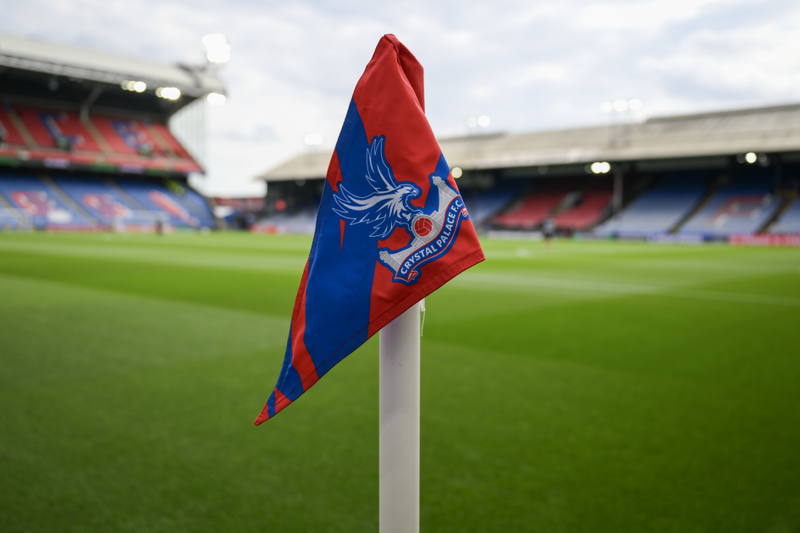
BBC Sport’s match reporter summed up the outcome plainly: “Rayo Vallecano will face Crystal Palace in the final of the Conference League after beating Strasbourg 2-0 on aggregate”. That is the headline fact, but the way Rayo got there matters too. This was not a smash-and-grab away performance. It was a game they drove for long spells and then had to protect right at the end.
Why Rayo deserved to go through
The clearest number from the night is also the most telling one. The first 15 shots of the match all belonged to Rayo.
That does not happen by accident in a European semi-final away from home. It points to a team that imposed itself early, pinned the opponent back and kept turning possession into attempts. Strasbourg stayed in the contest, but they were reacting for much of the opening phase rather than controlling it.
The breakthrough came before half-time and it fit the pattern of the game. Florian Lejeune hit a volley that was saved, and the rebound dropped for Alemao, who finished to give Rayo the lead on the night. For a side producing that volume of pressure, it would have been a far bigger surprise if they had gone into the break level.
Alemao’s goal also sharpened the broader story of Rayo’s run. He has now scored 5 goals in the Conference League, and the brief also notes that he scored in both legs of the semi-final. In knockout football, that kind of finishing changes ties. Rayo created plenty, but they also had the forward who kept turning those moments into something decisive.
There is a temptation to reduce semi-finals to the single dramatic incident at the end. In this case, that would miss too much of what happened beforehand. Rayo’s route to the final was built on sustained pressure first, then resilience when Strasbourg finally got a late opening.
football-espana.net’s match reporter also highlighted the wider significance: “For the second season in a row, La Liga will have a team in the UEFA Conference League final, and on this occasion, it’s Rayo Vallecano.” For Rayo, the more important part is simpler. This is their first-ever European final.
How Strasbourg stayed alive until the end
Even in a match tilted heavily toward Rayo, Mike Penders made sure Strasbourg were never completely gone. He finished with 7 saves and, according to the brief, delivered an impressive double save 20 minutes from time.
That matters because it explains why the night still had jeopardy. Rayo had the first 15 shots, got the goal their pressure deserved and still needed concentration deep into stoppage time. Penders gave Strasbourg enough resistance to keep one moment alive, even if the aggregate score never reflected a side in command.
His 9.6 rating underlines how busy and effective he was. You do not get that sort of number in a losing semi-final unless your goalkeeper has spent most of the evening bailing the team out. Strasbourg were beaten over the two legs, but Penders stopped the second leg from getting away from them much earlier.
What settled the tie and what comes next
The final flashpoint came in stoppage time. Strasbourg had a penalty through Enciso, and it offered the kind of twist that can distort the story of a semi-final. Batalla saved it.
That stop completed an efficient night for the goalkeeper, who made 3 saves in total and added the penalty save that preserved the clean sheet. It also kept the aggregate at 2-0, which matches the overall balance of the tie better than any late concession would have done.
There is also a wider pattern in Rayo’s European form. The brief lists their Conference League record as 4W-1D-1L across six matches, a steadier run than Crystal Palace’s 3W-1D-2L before the final. That does not decide the final in advance and it should not be stretched into one, but it does support the idea that Rayo have reached this stage through consistency rather than one-off chaos.
Inigo Perez’s side now head into a final against Crystal Palace with a clear identity in this competition. They controlled Strasbourg for long stretches, got another big European goal from Alemao, and when the one late scare arrived, Augusto Batalla dealt with it. The result is straightforward: Rayo Vallecano will play for a European trophy in their first continental final.
FAQ
How did Rayo Vallecano reach the Conference League final against Crystal Palace?
Rayo Vallecano beat Strasbourg 1-0 in the second leg and 2-0 on aggregate to book a place in the Conference League final against Crystal Palace. They controlled much of the return leg, took the first 15 shots of the match and scored before half-time through Alemao after Florian Lejeune’s saved volley fell kindly for him.
Why was Mike Penders still such a big factor if Strasbourg lost to Rayo Vallecano?
Mike Penders was Strasbourg’s standout performer because he made seven saves and produced an impressive double save 20 minutes from time. Rayo created enough pressure to win the tie, but Penders delayed the breakthrough for long stretches and kept the scoreline tighter than the pattern of the game suggested.
Who scored for Rayo Vallecano in the semi-final win over Strasbourg?
Alemao scored Rayo Vallecano’s goal in the second leg, finishing before half-time after Florian Lejeune’s volley was saved and the rebound dropped to him. He also scored in both legs of the semi-final, and his strike in the return game was his fifth goal in the Conference League.
What happened with the late penalty in Rayo Vallecano vs Strasbourg?
Strasbourg had a stoppage-time chance to change the ending when Julio Enciso took a penalty, but Augusto Batalla saved it. Batalla finished with three saves and the penalty stop, which secured the clean sheet and confirmed Rayo Vallecano’s 2-0 aggregate win.
Written by Daniel Hartley with AI-assisted research, cross-checked against 2 outlets. How we work →