Liverpool have confirmed Richard Hughes has stepped down as sporting director after less than three years at Anfield. Hughes had already told the club earlier in the year that he intended to leave, but stayed through to the end of the recent transfer window. Al-Hilal Saudi FC are widely expected to be his next stop, even if that move has not yet been confirmed.
The club's statement was brief. As quoted by talkSPORT, it read: "Liverpool FC can confirm Richard Hughes has stepped down as sporting director."
Hughes moved to Liverpool from AFC Bournemouth in June 2024 on a three-year deal. His exit means he leaves before that agreement ran its course, though the club have clearly had time to prepare for it after being informed earlier this year.
The succession plan is already under way
Liverpool say the process of finding a successor has already started, with Mike Gordon leading that work. That removes some of the immediate uncertainty around the role, even if the club have not named a replacement.
Quoted by the Liverpool Echo, Gordon said: "Richard joined us at the start of a period of change, embracing that responsibility by leading our football operations department and overseeing recruitment while also providing valuable support to our coaching staff."
That summary fits the broad shape of Hughes' spell. He arrived before Arne Slot's first season, worked through a major transition in football operations and was still in place for the close of the latest window.
A short spell with plenty packed into it
Hughes' Liverpool tenure was brief but eventful. Liverpool won the Premier League title in his first season, then followed that by finishing fifth in the 2025-26 campaign. They also ended last season third in the Champions League league-phase table.
The recent league run does not point to a club in freefall either. Liverpool's last five top-flight matches brought one win, three draws and one defeat, which is a mixed sequence rather than collapse.
His transfer-market record is harder to pin down cleanly. The Liverpool Echo said Hughes oversaw more than £700million worth of new signings, while the Standard put the figure at some £670m. Those reports agree on the scale of spending, even if not the exact total.
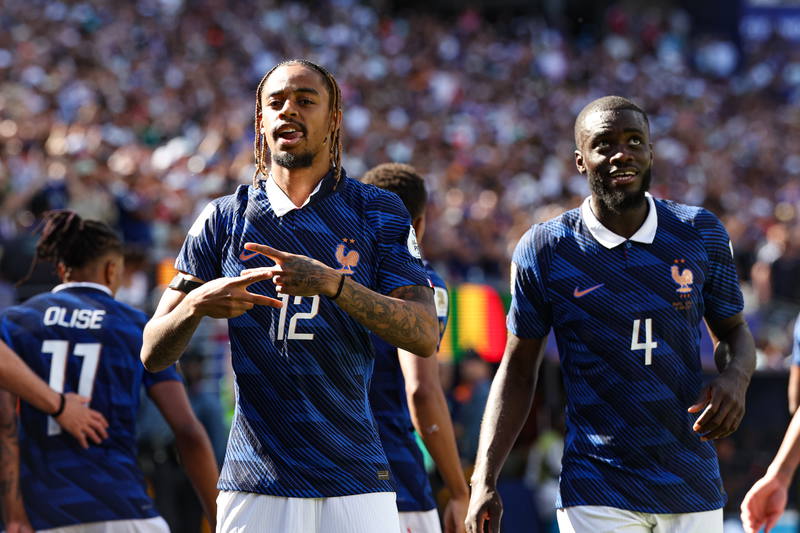
One of the players tied closely to Hughes' final period at the club was Bradley Barcola. Liverpool say Hughes was heavily involved in that signing, but the fee attached to the deal varies across reports and should be treated with caution.
Hughes also signed off with a warm farewell. Quoted by talkSPORT, he said: "I'll always follow and support the club with great affection, and I wish everyone involved nothing but success for this season and beyond."
His next move still sits in that almost-done category. Al-Hilal have been heavily linked and the expectation is obvious enough, but Liverpool's confirmed news is his departure, not his destination.
FAQ
Why did Richard Hughes leave Liverpool after less than three years?
Liverpool have only confirmed that Richard Hughes stepped down as sporting director. He had informed the club earlier in the year that he intended to leave, but stayed until the end of the recent transfer window before his exit was made official.
Who is replacing Richard Hughes at Liverpool?
Liverpool have not named a replacement. The club have already started the process of seeking a successor, and that search is being led by Mike Gordon.
Is Richard Hughes joining Al-Hilal after leaving Liverpool?
Al-Hilal are widely linked as Hughes' likely next club, with multiple reports pointing in that direction. There is still no official confirmation of his next job, so that move should be treated as expected rather than done.
What did Richard Hughes do during his time at Liverpool?
Hughes joined Liverpool from AFC Bournemouth in June 2024 on a three-year deal. Mike Gordon said he led football operations, oversaw recruitment and supported the coaching staff. Liverpool also say he was heavily involved in the signing of Bradley Barcola.
Written by Jack Mercer with AI-assisted research, cross-checked against 4 outlets. How we work →