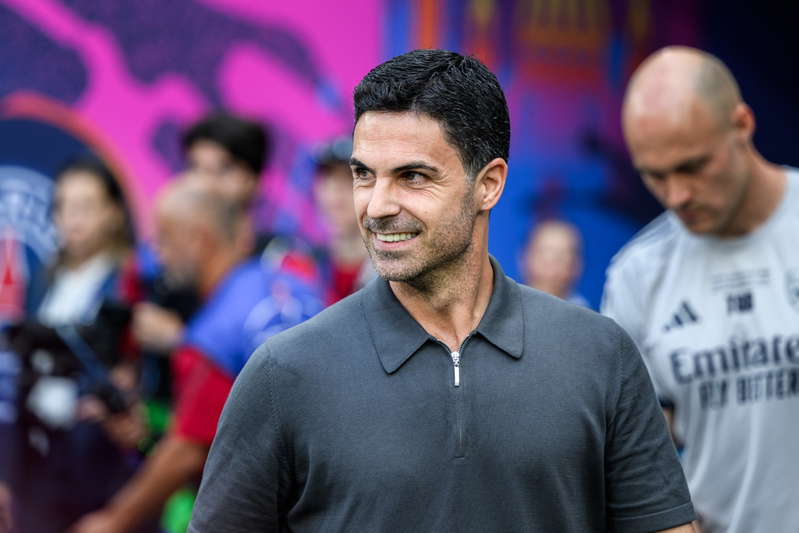


"I don't think the Fifa should be ever contemplating selling off a stake in the World Cup," Richard Masters said in a BBC interview that turned sharply against Fifa's abandoned plan. The proposal would have sold 21% of a new company tied to World Cup commercial and ticketing rights to a private investment company. Masters went further, calling it "a self-inflicted wound" and saying Fifa had "pressed the self-destruct button."
Fifa's abandoned World Cup plan
Masters' main complaint was not about a single commercial detail, but about the idea itself. He said: "They're a not-for-profit organisation. They should really be holding that competition in trust for the future of football."
That is a direct challenge to the logic behind the 21% sale, and it fits the tone of the interview. Masters framed the move as Fifa's own mistake, not a necessary fix or a clever piece of sports business.
Balogun's red card and the review process
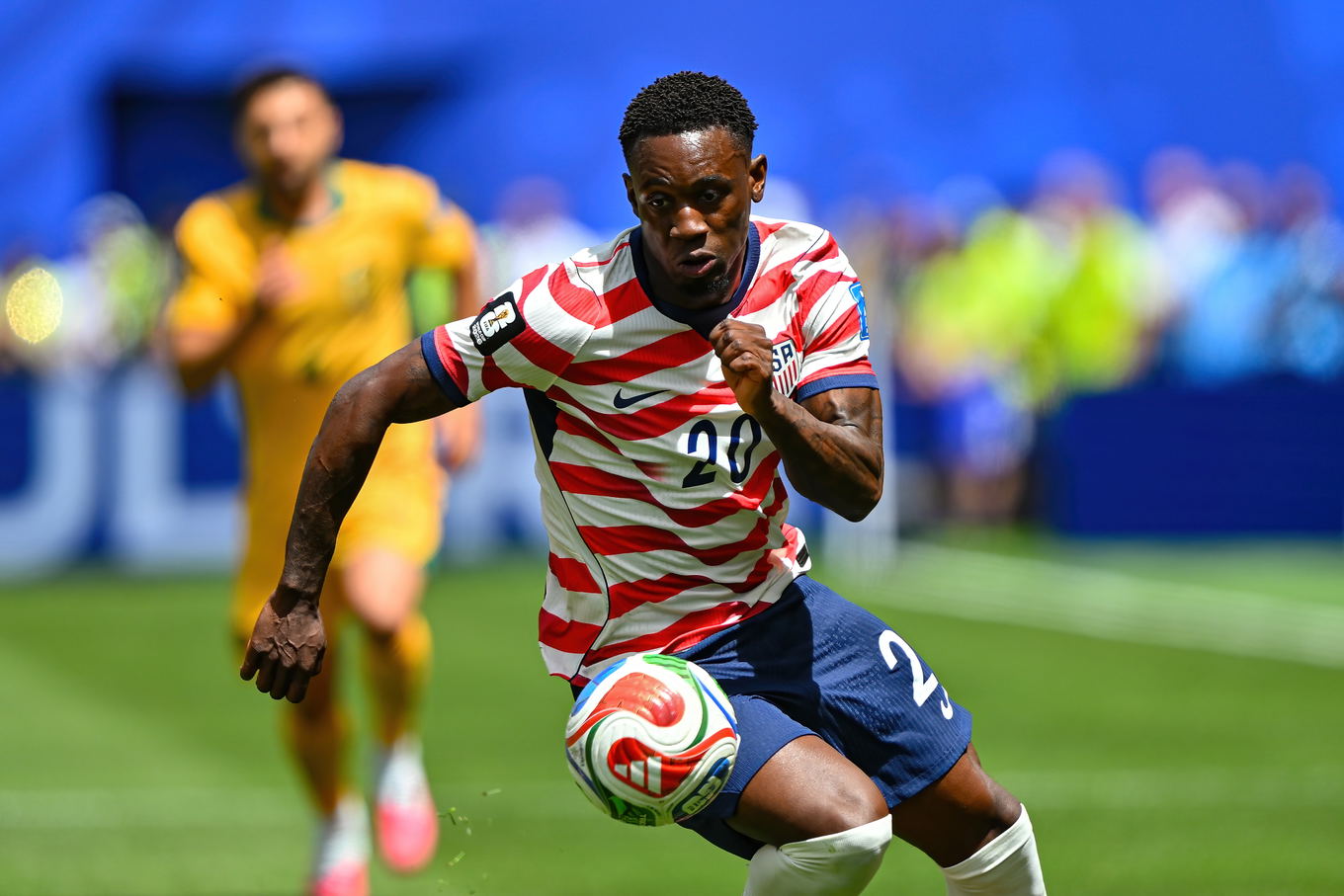
He also used the interview to question Fifa's handling of Folarin Balogun's World Cup suspension. Balogun was shown a straight red card for a foul on Bosnia-Herzegovina defender Tarik Muharemovic in the World Cup last-32 tie. The United States' automatic one-match ban was later suspended for a year, allowing Balogun to play in the last-16 game against Belgium.
Masters said: "I don't understand why Fifa doesn't have a very straightforward red card review process in place, like we do in the Premier League, for example."
Balogun's numbers before the incident help explain why the issue mattered to the U.S. attack. He scored 3 goals in 4 appearances and held a 7.08 season-level rating across those World Cup games.
Masters also pointed to change inside the Premier League, saying there are 9 new permanent managers in the competition this season. He argued the league still has strong pull, noting that it has nearly half of the world's independently ranked top 100 players.
The bigger theme is not really about one interview line. It is Masters taking aim at Fifa's judgment on governance and discipline, while making the case that the Premier League remains central to the sport's top level. The World Cup stake plan is gone, but the criticism around how Fifa handled it is not.
Written by Sam Whitfield with AI-assisted research, cross-checked against 1 outlet. How we work →