Roger Schmidt has returned to Red Bull as Head of Global Soccer, succeeding Jürgen Klopp in the group's top football role. The appointment is not a club coaching job but a senior executive post across Red Bull's wider network, and Schmidt will officially start on October 1 after signing a long-term contract. For Red Bull, the logic is straightforward enough: they have gone back to someone who already knows the model.
Oliver Mintzlaff told bundesliga.com: "We are delighted to welcome Roger Schmidt back to Red Bull". Schmidt also made clear why the job appealed, telling goal.com: "I am really looking forward to this new challenge and am proud to be part of the Red Bull family again in the future. Red Bull's international club portfolio is unique, ambitious and characterised by a clear philosophy. To develop young talent while succeeding at the highest level -exactly this combination makes this task particularly attractive to me."
Schmidt's Red Bull background
Schmidt is not walking into an unfamiliar structure. He previously managed Red Bull Salzburg between 2012 and 2014 and won an Austrian Bundesliga and Cup double in his final season. That history matters more here than any outsider profile would have, because Red Bull are not hiring for a single touchline. They are handing over the sporting direction of a multi-club operation.
His remit covers RB Leipzig, Salzburg, New York Red Bulls, Red Bull Bragantino and Omiya Ardija. That makes this a portfolio role built around alignment, player development and football identity across several clubs, rather than week-to-week match management.
Mintzlaff's longer explanation to goal.com leaned heavily on that fit. He said Schmidt is "the right person to be responsible for the sporting direction of our global football portfolio" and pointed to his experience, his understanding of Red Bull's philosophy and his reputation for developing young talent.
Schmidt's wider coaching CV is not the key point in this appointment, but his time inside the Red Bull system clearly is. Even his spell at Bayer Leverkusen sits in the background here as part of a long managerial career, not as the reason he has been brought back.
The scale of the job he inherits
This is a stable administrative appointment on paper, but it still comes with a sizeable football brief. Salzburg, the club Schmidt once led, are 31st in the 2025 UEFA Europa League table with 6 points from 8 matches. That is not a crisis headline by itself, though it does underline that Red Bull are not simply preserving a machine that runs perfectly on its own.
Leipzig remain the strongest on-pitch asset in the portfolio. They finished 3rd in the 2025 Bundesliga with 65 points from 34 matches and ended the season with a +19 goal difference, scoring 66 and conceding 47. For the new Head of Global Soccer, those numbers point to a club that is already competitive and still central to the group's wider football standing.
The value of bringing Schmidt back is that he should need less time than a true outsider to understand where each club sits inside that structure. Red Bull have built their model around a shared philosophy and youth development, and Schmidt highlighted exactly that in his first comments after the appointment.
Klopp's exit and what comes next
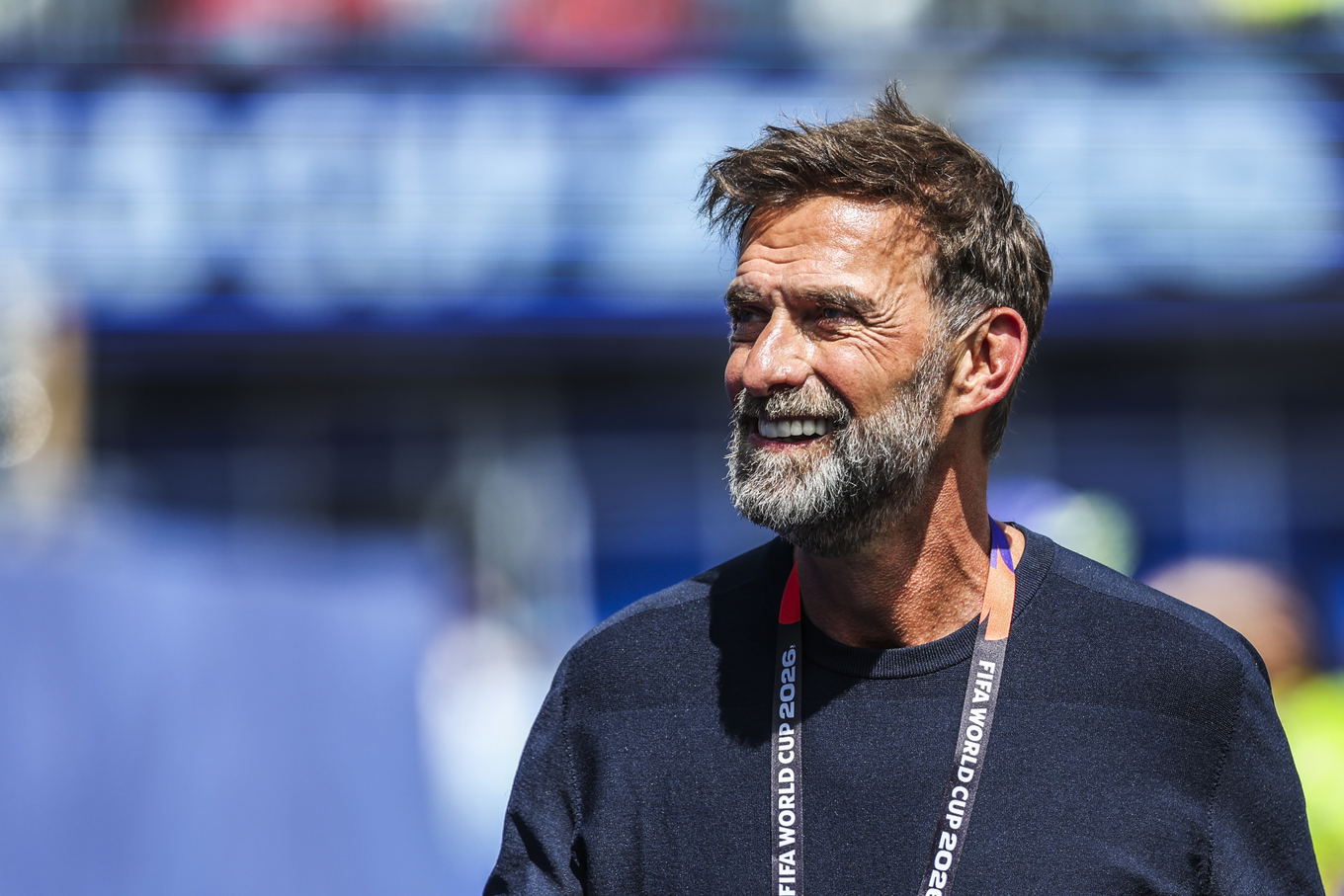
The obvious comparison is with Klopp because Schmidt is taking over his title, but the timeline needs care. Some reports framed Klopp's spell as two years, while bundesliga.com described Schmidt as replacing him after less than two years in the post. The safer reading from the available reporting is to avoid pinning it to an exact two-year figure.
What is clear is the succession itself. Klopp has gone, Schmidt has succeeded him, and Red Bull have chosen continuity over a reset. That feels sensible. A group model built on development and internal coherence probably benefits more from a familiar operator than from a big external name learning the system from scratch.
Schmidt officially takes up the role on October 1, with oversight of a network that includes Salzburg and Leipzig among the most visible clubs in the portfolio.
FAQ
Why did Red Bull appoint Roger Schmidt after Jürgen Klopp left?
Red Bull have turned to a familiar figure. Schmidt has succeeded Jürgen Klopp as Head of Global Soccer, and the group values his experience, his understanding of its football philosophy and his track record in developing young players. He also knows the setup from his spell at Red Bull Salzburg, where he won an Austrian Bundesliga and Cup double.
When does Roger Schmidt start as Red Bull Head of Global Soccer?
Schmidt will officially take up the role on October 1. He has signed a long-term contract and will oversee Red Bull's wider football operation rather than taking a coaching job at one club.
Which clubs fall under Roger Schmidt's new Red Bull role?
His remit covers Red Bull's football portfolio, including Red Bull Salzburg, RB Leipzig, New York Red Bulls, Red Bull Bragantino and Omiya Ardija. The job is a group-wide executive role focused on sporting direction across the network.
Why is Roger Schmidt seen as a strong fit for Red Bull's model?
The fit is fairly obvious. Schmidt already knows Red Bull from managing Salzburg between 2012 and 2014, and he won the Austrian Bundesliga and Cup double in his final season there. Red Bull also see his work with young talent as central to a network built on development and a shared football identity.
Written by Jack Mercer with AI-assisted research, cross-checked against 2 outlets. How we work →