

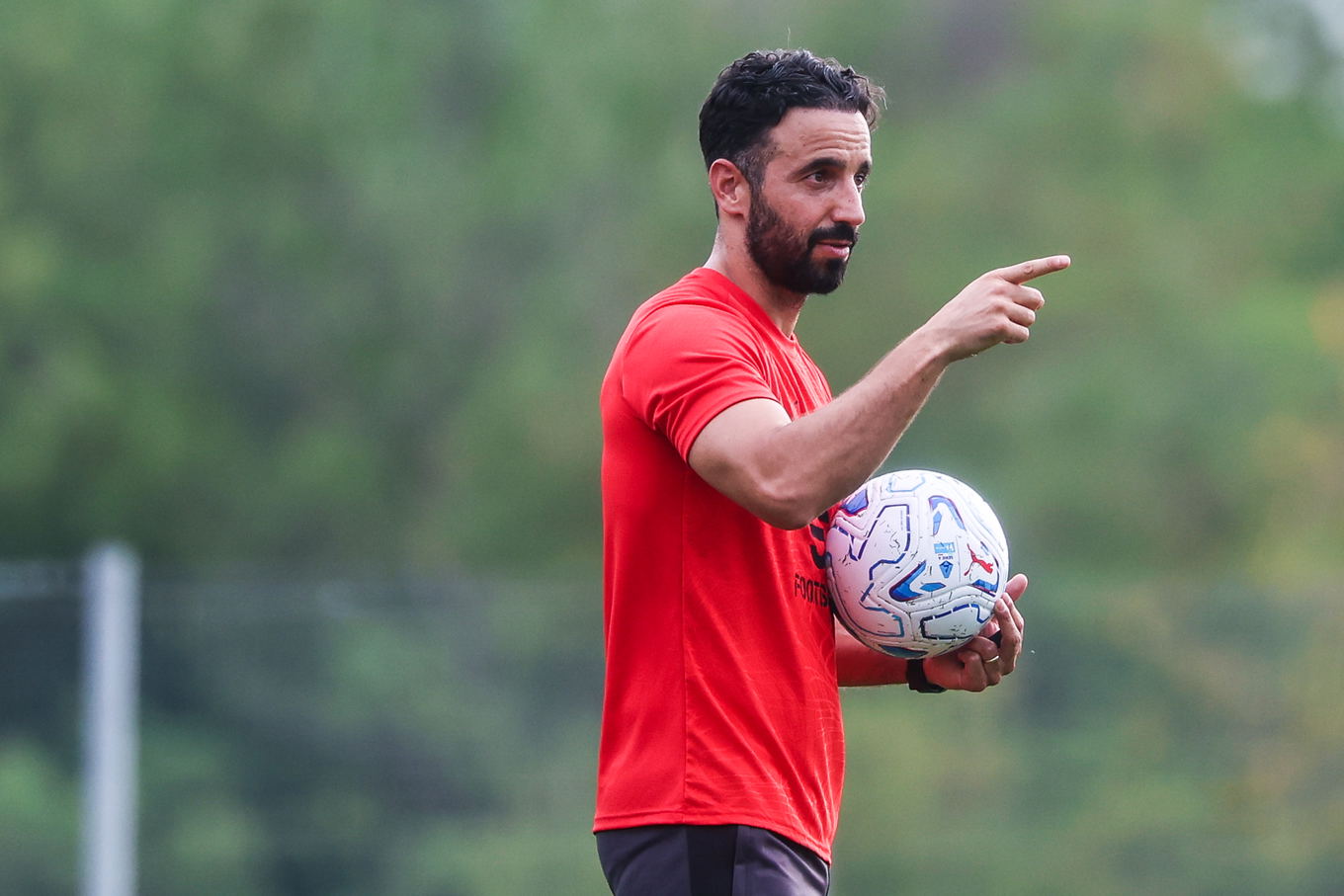
“It’s hard to explain the mistakes because for that I would have to explain all the context of the last adventure. It’s hard to say to you every mistake. The only thing to say is I learned a lot and I did some mistakes.” Ruben Amorim used his unveiling at AC Milan to reopen the story of his collapse at Manchester United, and it was the most revealing part of the day. Before Milan's new identity was sold, Amorim first admitted the old failure.
His candour was smarter than any attempt to dress it up. Amorim was sacked in January after 14 months at United, and the record gave him no shelter: 25 wins and 23 defeats in 63 matches overall.
The league numbers were worse. In 47 Premier League games, he won 15 and posted a 1.23 points-per-game average, the lowest of any Manchester United manager in the Premier League era. For a coach who arrived with serious reputation after his work at Sporting CP, that is not a small blemish. It is the central reason he had to face the subject head-on in Milan.
Amorim did that again when he addressed the supporters he had left behind. Speaking to BBC Sport, he said: “I didn’t have [the] opportunity - and I am sorry for that - to say something to the Manchester United fans at the moment [but] I am really proud to have been their coach for a year.”
That apology landed because it matched the tone of the rest of his press conference. Coaches often talk about learning after a bad job. Amorim went a bit further and admitted fault. Speaking to the Independent, he said: “Everyone learns from their experience. I learned a lot. I did some mistakes. There are some things I will try to change and there are some things you never change. But I think I will be a better coach.”
The United reckoning at Milan's unveiling
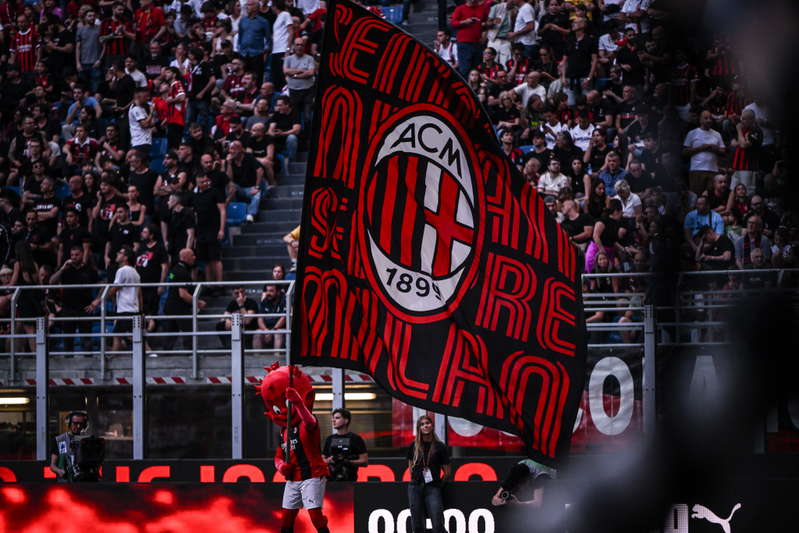
This was still an AC Milan unveiling, but the backdrop matters. Milan finished 5th in Serie A with 70 points and missed out on Champions League qualification. They also took just 7 points from their last 8 games, so the club were not presenting Amorim as a luxury appointment. They were presenting him as the reset after a tailspin.
Gerry Cardinale made that part explicit. Speaking to Football Italia, the Milan owner said: “We packed six months' worth of meetings into a month. Very important to this whole process, we fundamentally want to bring AC Milan back to its football heritage.”
There was a lot of movement around the appointment too. Milan replaced their entire senior management team in one club statement, with Massimiliano Allegri, Igli Tare, Geoffrey Moncada and Giorgio Furlani all departing. The message was blunt enough: this is not a gentle adjustment, it is a rebuild with Amorim at the centre of it.
That is why his own self-assessment mattered more than the usual unveiling platitudes. Milan are hiring a coach who just failed badly at Manchester United. Pretending otherwise would have looked flimsy. Amorim's willingness to admit the damage gives him a better start than denial would have done.
Milan's football brief
The other striking part of the launch was how clearly Milan described the football they want. Cardinale told Football Italia: “That means we want a football style that fits that objective. And that is a high press, high possession, attacking style of football. It’ll be an exciting style of football, fun to watch, and high scoring.”
Amorim answered in the same language. “We want the ball, we want to dominate the opponent,” he said.
That sounds obvious at a club of Milan's size, but it is still a deliberate shift in emphasis. After finishing 5th and falling out of the Champions League places, they are selling an aggressive model rather than a cautious repair job. The club line is not just about results, it is about control, pressure and territory.
There is an obvious risk in that, because a style promise at a podium is cheap until the team shows it on the pitch. Milan can say they want a high press and heavy possession. Amorim can say he wants to dominate opponents. None of that proves the tactical impact yet, and it would be reckless to act as if it does.
Still, the public brief is clear enough. Amorim arrives after the worst spell of his coaching career, Milan arrive after a bad finish to their season, and both sides are openly framing this as a reset built on stronger football rather than softer language.
The next time Amorim sees Manchester United will be in Milan's final pre-season game in Poland on 15 August. That fixture will not rewrite what happened at Old Trafford, but it will be the first obvious checkpoint in the version of Amorim he now says he is trying to become.
FAQ
Why did Ruben Amorim apologise to Manchester United fans at his AC Milan unveiling?
Amorim said he did not have the opportunity to say something to Manchester United fans at the time and apologised for that. He added that he was really proud to have been their coach for a year, so the apology was tied to how his exit was handled rather than any attempt to deny the scale of his failure there.
What did Ruben Amorim say he learned from Manchester United before joining AC Milan?
Amorim said he learned a lot and made mistakes during his spell at Manchester United. He did not list every error, saying the context was hard to explain, but he was clear that some things will change and that he believes the experience will make him a better coach at AC Milan.
How bad was Ruben Amorim's record at Manchester United?
The numbers were poor. Amorim was sacked in January after 14 months, having won 25 of 63 matches and lost 23. In 47 Premier League games, he won 15 and posted a 1.23 points-per-game average, which was the lowest of any Manchester United manager in the Premier League era.
What style of football do AC Milan want under Ruben Amorim?
Gerry Cardinale said Milan want a high press, high possession and attacking style that is fun to watch and high scoring. Amorim backed that up by saying he wants the ball and wants to dominate the opponent. It is a clear public brief, even if the tactical impact cannot be judged yet.
Written by Daniel Hartley with AI-assisted research, cross-checked against 3 outlets. How we work →