

Police Scotland chief constable Jo Farrell says Scottish football needs clearer punishment for disorder after 47 arrests linked to the Celtic-Rangers Scottish Cup quarter-final and the Celtic-Hearts Premiership title decider. Two police officers were injured in Glasgow city centre after Celtic beat Hearts 3-1 to win the league on the last day of the season. Farrell's case is blunt: warnings are not enough.
Why Farrell wants clubs punished more clearly
Speaking to the BBC, Farrell said: "Policing has a strong part to play in football, but there is no doubt that accountability and ownership is lacking around football in Scotland." She went further on the wider culture around disorder, saying: "Disorder, violence and thuggery is unchecked and is allowed to be shrugged off." That is the backdrop to her push for the SFA and the SPFL to sharpen their regulatory response.
Farrell said there is "an absolute necessity" for the two football authorities to strengthen their framework and be clear with clubs, fans and the public about what the sanctions will be if there are pitch invasions. She also said she is not seeing a clear intent from the authorities about what strong and visible measures they will take to control fan behaviour.
What sanctions Farrell wants to see
The main point is not a vague plea for better messaging. Farrell said sanctions could escalate from cutting fan allocations by 20% to 40% and then to a complete ban. That is a significant step up from the usual football hand-wringing, and it lands because the recent disorder was not isolated to one flashpoint.
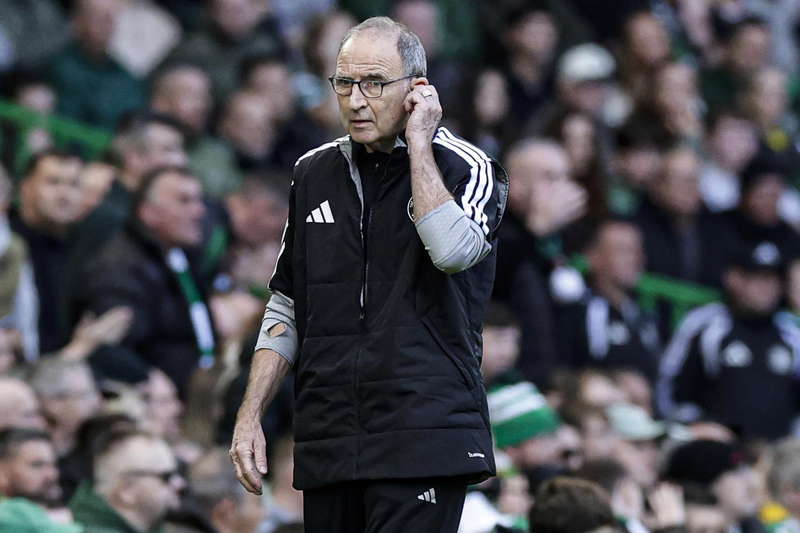
The SPFL has launched disciplinary investigations into five matches near the climax of the season. That matters because it suggests the issue runs beyond one derby or one title celebration. Steve Clarke said fans spilling on to the pitch to celebrate is "a bad look for the game", while Martin O'Neill called it "nonsense to say the scenes had embarrassed Scottish football". Farrell is clearly closer to Clarke's view than O'Neill's, and the arrest figures make that harder to dismiss.
If the governing bodies want to avoid more public pressure, they will need to show what those sanctions actually look like. Farrell has already put the numbers on the table, and the next move belongs to the football authorities.
Written by Sam Whitfield with AI-assisted research, cross-checked against 2 outlets. How we work →