"Possession has won this World Cup." Gary Neville's line on skysports.com was blunt, and it fit what unfolded in Spain vs Argentina. Earlier this week we looked at this final as control against output. Now the result is in, Spain have the trophy, Ferran Torres scored the extra-time winner, and Neville's argument is hard to dismiss after such a one-sided game.
Spain finished with 20 shots and 11 on target. Argentina managed 3 shots and 0 on target. Ferran's goal came from Spain's twentieth shot of the match, and every shot came from Spain.
Neville's reading of the final
Neville's strongest point was not really about one attacking move. It was about the shape of the game and the confidence behind Spain's decisions.
Speaking to skysports.com, he said: "What they have is the best team, the best collective. And also the best system of play. That comes out most in international football when you are playing every four days in 35 degree heat. Technically and tactically, they are outstanding."
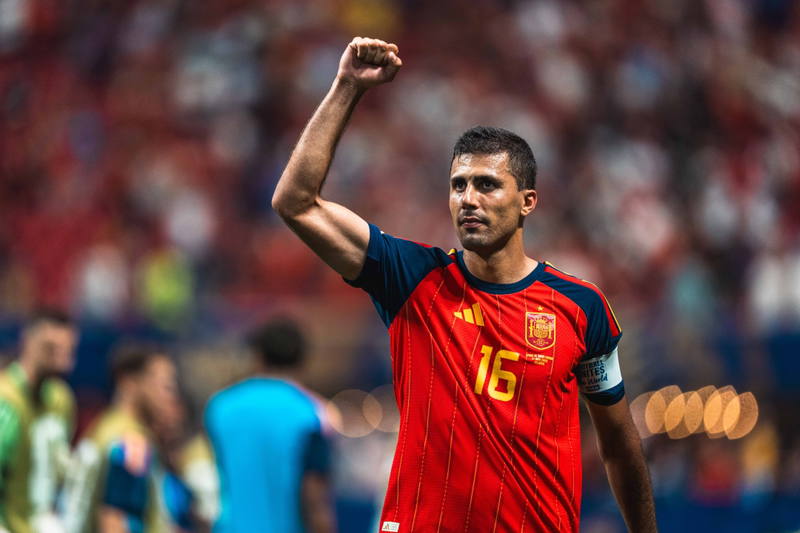
That matched the flow of the final. Spain had 400 more passes than Argentina and spent long stretches keeping the match in Argentina's half. Rodri set the tone before going off after 99 minutes, completing 106 passes and winning 8 of 10 duels. Unai Simón was barely dragged into a rescue act because Argentina never put a shot on target.
Neville also picked out the management. "The Spain manager took off Laporte and Rodri at 0-0, I think that is incredible. You talk about bravery in substitutions in matches. They are probably Spain's two most influential players in those clean sheets."
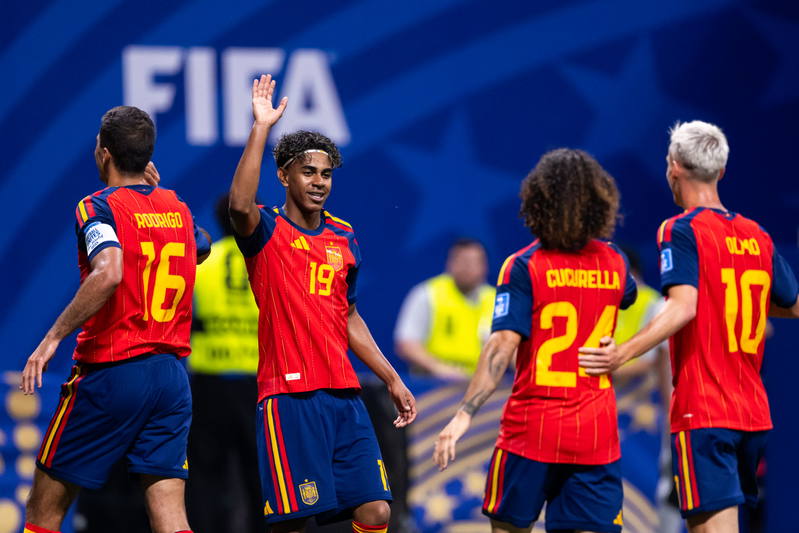
That feels like a fair read. Finals often become conservative once they tighten up. Spain went the other way, trusted the system over the names, and kept pushing until the game broke. Lamine Yamal had 4 shots, 2 on target and 5 successful dribbles, so the pressure was already there before the winner arrived.
The substitutions told the story
Luis de la Fuente's changes were central to the way the final swung. Ferran got the goal, but the bench impact went beyond the finish itself.
Mikel Merino summed up Spain's self-belief after the game, saying: "We knew that we were the better team in terms of football". It can sound like standard winner's talk, but the final backed him up. Spain had all 20 shots in the match and eventually found the opening in extra time.
The winning move was driven by fresh legs. Nico Williams came on for 45 minutes, produced the assist and made 2 key passes. Ferran, introduced after 58 minutes, supplied the decisive touch. That is the sort of bench influence Neville was getting at when he praised the boldness of the changes rather than just the outcome.
Argentina, by contrast, never really found an attacking answer. Lautaro Martínez stayed on the bench throughout, which was a striking call in a final where they offered so little threat. Emiliano Martínez and the back line were left absorbing pressure for most of the night.
There is a small wording dispute around the scoreline because some reports framed the match around the 90 minutes, while the verified result is Spain 1-0 Argentina after extra time. The cleaner way to put it is simple: Spain won the World Cup final after extra time, and the balance of play was overwhelmingly in their favour.
Argentina's frustrations and Spain's bigger picture
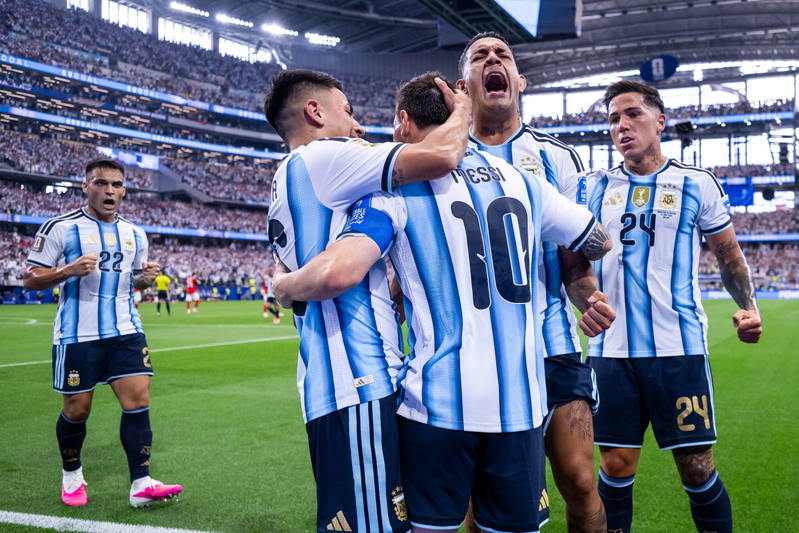
Argentina's night became even messier in stoppage time when Enzo Fernández was sent off for a second yellow after a late challenge on Pau Cubarsí. By then, the pattern had already been set. Spain had controlled the territory, controlled the ball and gradually worn Argentina down.
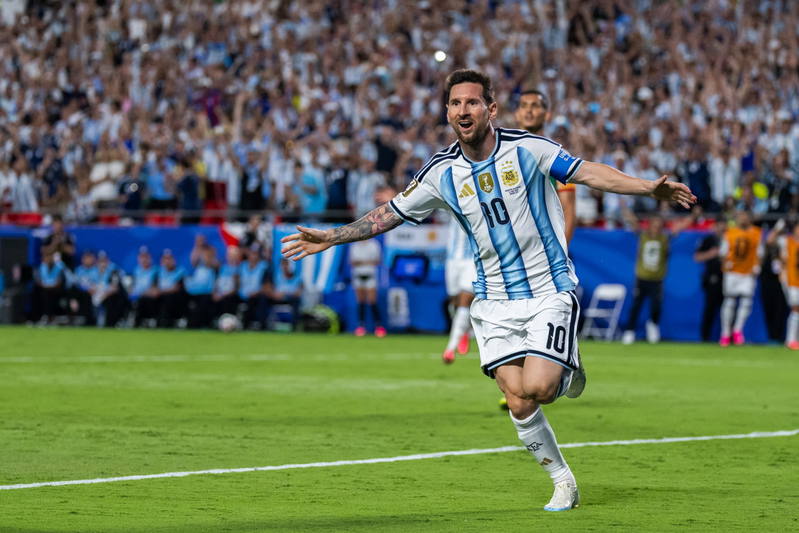
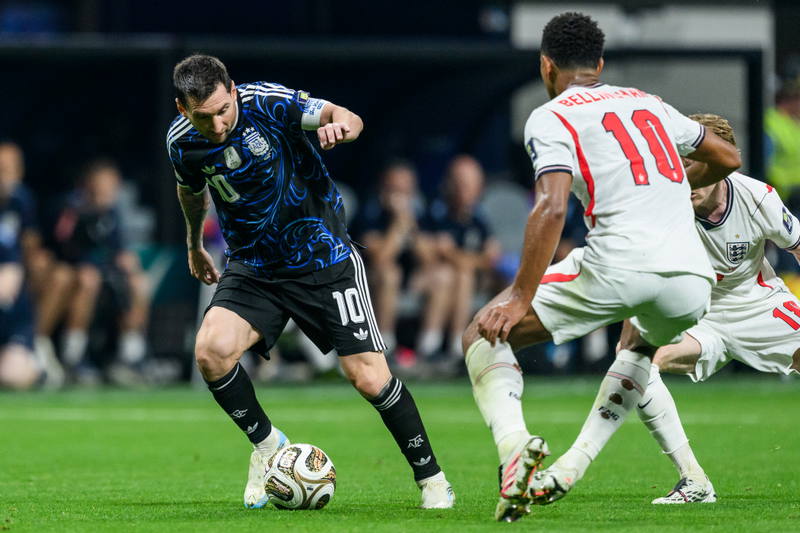
There was still a major Lionel Messi subplot. He became only the second player after Marcos Cafu to appear in three World Cup finals, which is a huge milestone even in defeat. His tournament level stayed high too, with an 8.77 rating across 8 appearances, 771 minutes and 8 goals. But this final was not shaped around his influence in the way Argentina needed.
Spain's win also pushes them into the record books in a broader sense. They are now unbeaten in 38 competitive matches in a row, moving past Italy's previous mark of 37. Neville called it a victory for possession football, and on the evidence from this final, that sounds less like a slogan than a straightforward description of what happened on the pitch.
Spain arrived at this tournament with a control profile. They left it with the World Cup after beating Argentina in extra time.
FAQ
Why did Gary Neville say possession football won the World Cup final?
Neville's view came from how completely Spain controlled the final against Argentina. Spain had 20 shots and 11 on target, while Argentina managed 3 shots and 0 on target. Spain also had 400 more passes and kept the game in Argentina's half for long stretches before Ferran Torres scored the extra-time winner.
How did Spain beat Argentina in the World Cup final?
Spain beat Argentina through territorial control, patient possession and strong in-game management. Neville highlighted the bravery of taking off Rodri and Aymeric Laporte at 0-0, while Spain kept creating chances. Ferran Torres eventually scored in extra time, from Spain's twentieth shot of the match, and every shot in the game came from Spain.
Did Lautaro Martinez play in the World Cup final against Spain?
No. Lautaro Martínez stayed on the bench throughout the final and did not appear. That stood out because Argentina needed more attacking inspiration, yet never turned to him during a game in which they failed to register a shot on target.
What was Lionel Messi's record in the 2026 World Cup final?
Messi became only the second player after Marcos Cafu to appear in three World Cup finals. He reached that milestone in a losing cause against Spain, despite having posted an 8.77 tournament rating with 8 goals across 8 appearances.
Written by Daniel Hartley with AI-assisted research, cross-checked against 3 outlets. How we work →