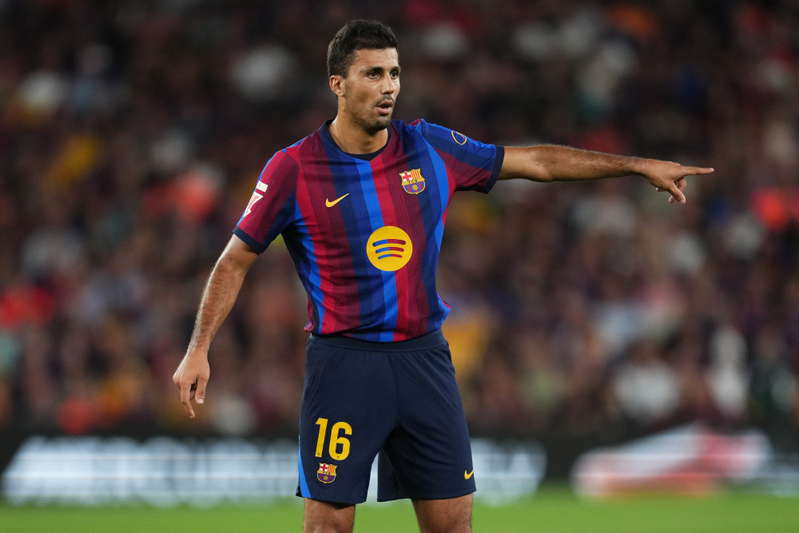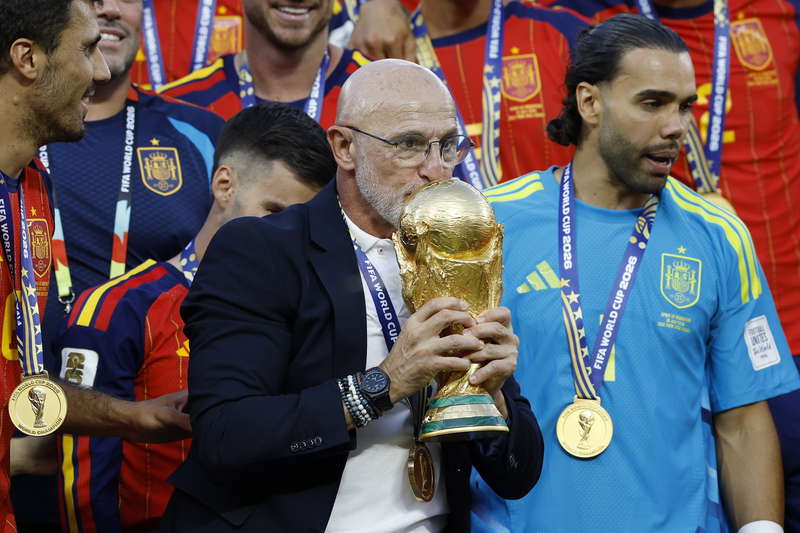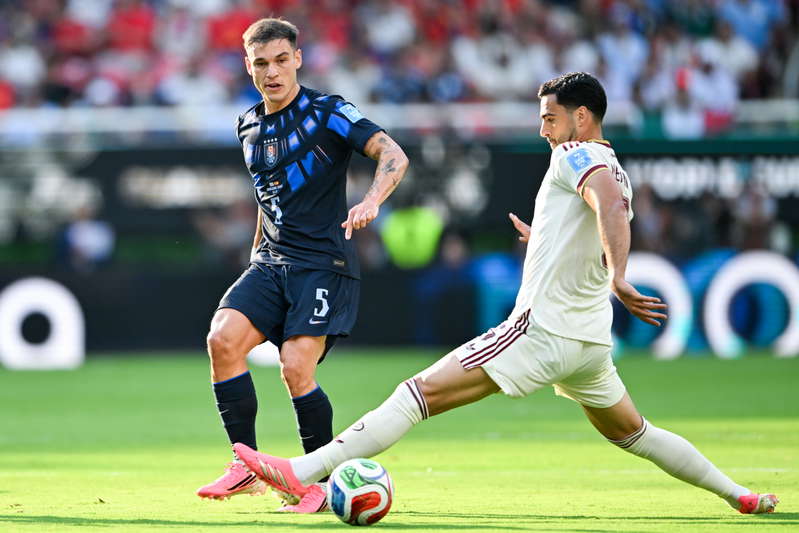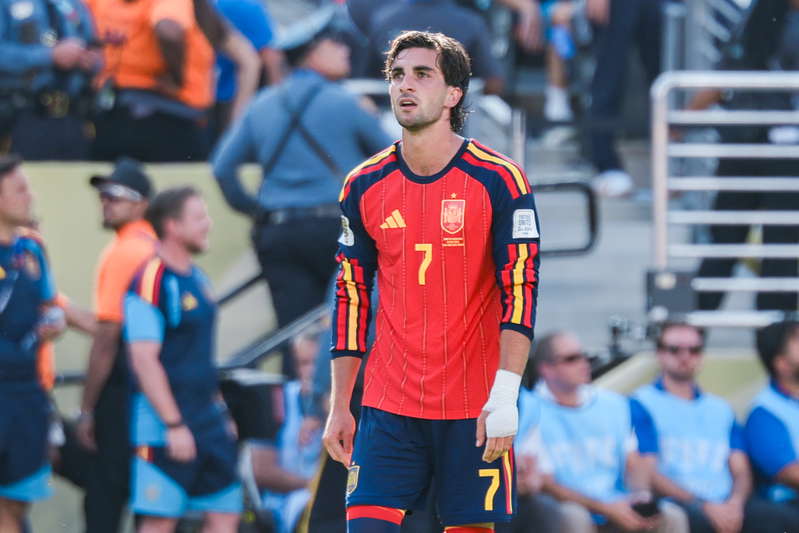


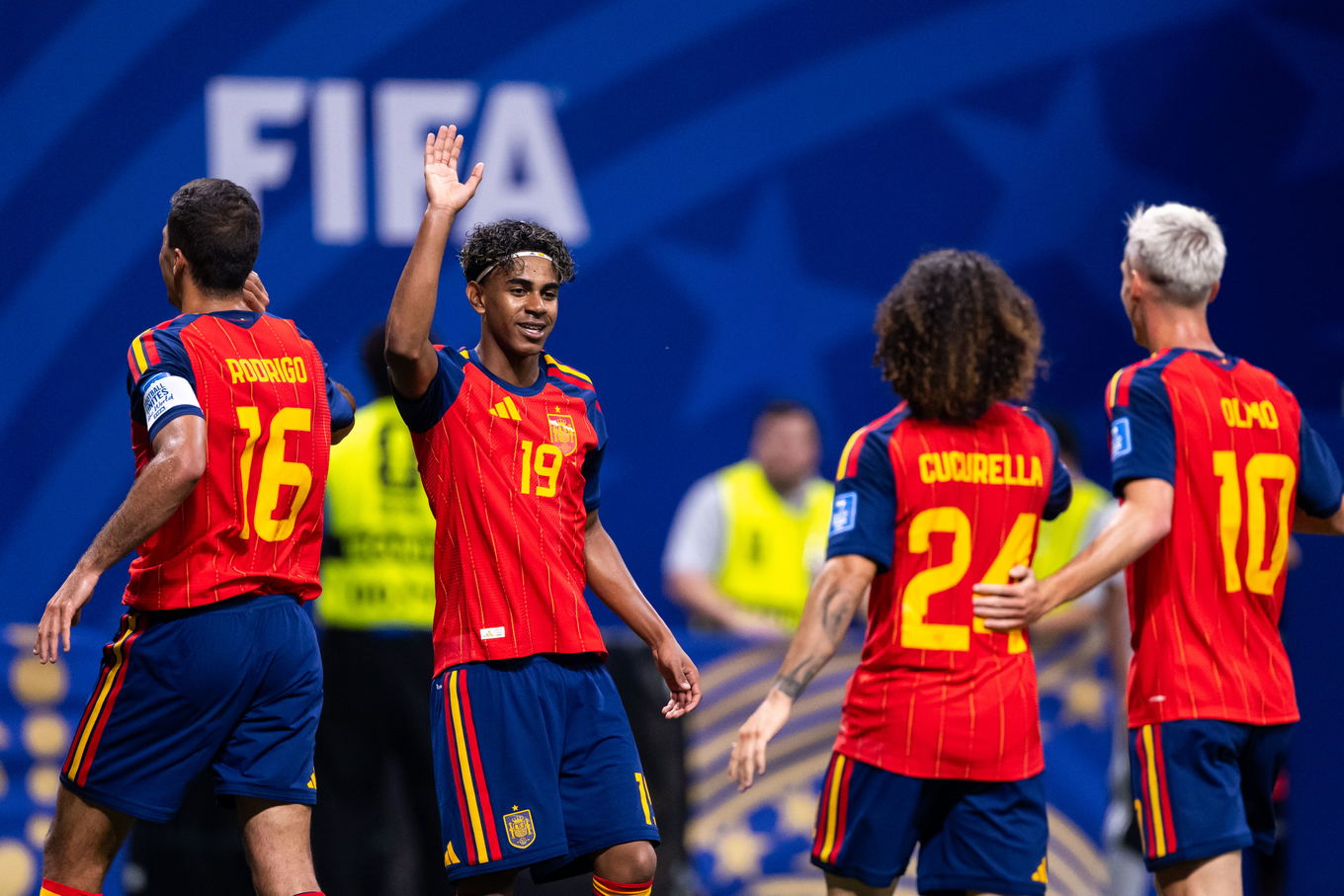
Spain come into the World Cup final with the tournament's best control metrics. They have averaged 63.8% possession, Rodri has made 694 passes, the tournament high since records began in 1966, and they have conceded only one goal in seven games. That is a strong platform, but it is not the whole story.
Spain's control game
The clearest case for Spain is structural. Andy Headspeath put it plainly: "One of the key strengths of De la Fuente’s team is how it is not tied to any particular player." That helps explain why their dominance has not been built on one hot spell or one star taking over every game.
Rodri sits at the centre of it. With 694 passes, he has been the tournament's main traffic controller, and Spain's 63.8% possession is the best share of any team beyond the round of 32. They are not just keeping the ball for its own sake, either. A side that has conceded one goal across seven games has given itself a lot of margin for error.
Argentina's moments and the La Masia thread
Argentina still have the best individual match-winner in the final. Lionel Messi has 8 goals and 4 assists in 7 appearances, and his 9.11 rating is the cleanest reminder that a final can be decided by one player even when the other side owns the ball.
Headspeath's other line captures Spain's edge and the challenge in front of them: "No team that made it beyond the round of 32 has averaged a higher share of possession than Spain (63.8%)." That does not remove the danger of Argentina's big moments. Enzo Fernández has a 7.22 rating, Alexis Mac Allister gives them another midfield outlet, and Argentina have won their last five World Cup matches on the way to the final.
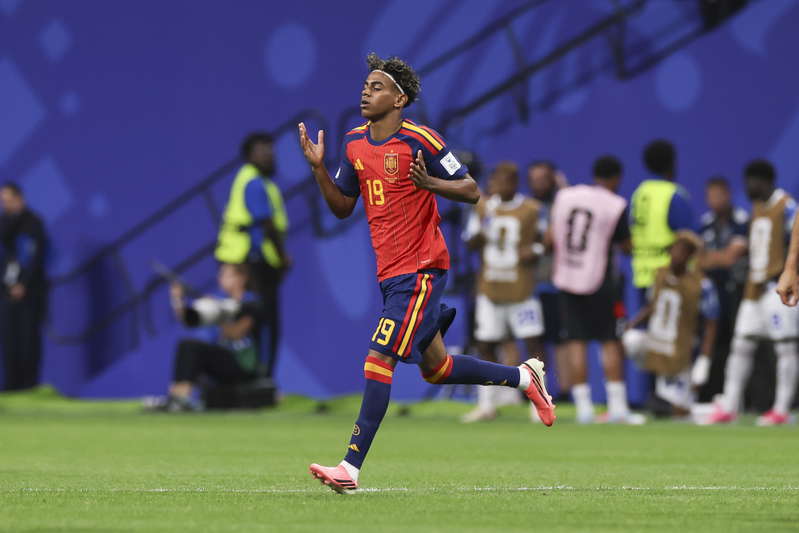
The symbolic layer comes from Barcelona, where the final pulls together nine La Masia graduates: Messi, Lamine Yamal, Pau Cubarsí, Dani Olmo, Eric García, Gavi, Víctor Muñoz, Marc Cucurella and Alejandro Grimaldo. Messi arrived at La Masia in 2000 as a 13-year-old, which makes the Barcelona thread more than a throwaway graphic.
Lamine Yamal's 6.46 in his most recent outing suggests the symbolism is ahead of the current form line, and the same caution applies to any easy read on the final. Spain have the control, Argentina have the moments, and the match should turn on which side gets to impose its terms first.
FAQ
Can Spain's control game beat Argentina's moments in the World Cup final?
Spain arrive with 63.8% average possession, Rodri's 694 passes and only one goal conceded across seven games. Argentina still have Lionel Messi's 8 goals and 4 assists, plus support from Enzo Fernández and Alexis Mac Allister, so the final looks like a test of structure against elite individual quality.
Why does Rodri matter so much in Spain's World Cup final plan?
Rodri has made 694 passes, the tournament high since records began in 1966. He sits at the heart of Spain's 63.8% possession and helps them control territory for long spells.
Does Messi give Argentina the edge over Spain in the final?
Messi gives Argentina their most decisive individual threat, with 8 goals and 4 assists in 7 appearances. Spain's control has been stronger overall, but Argentina have shown they can still win tight games through moments from Messi and midfield support.
- barcauniversal.com
- bavarianfootballworks.com
- bbc.co.uk
- express.co.uk
- football365.com
- goal.com
- si.com
- skysports.com
- thehardtackle.com
Written by Daniel Hartley with AI-assisted research, cross-checked against 9 outlets. How we work →