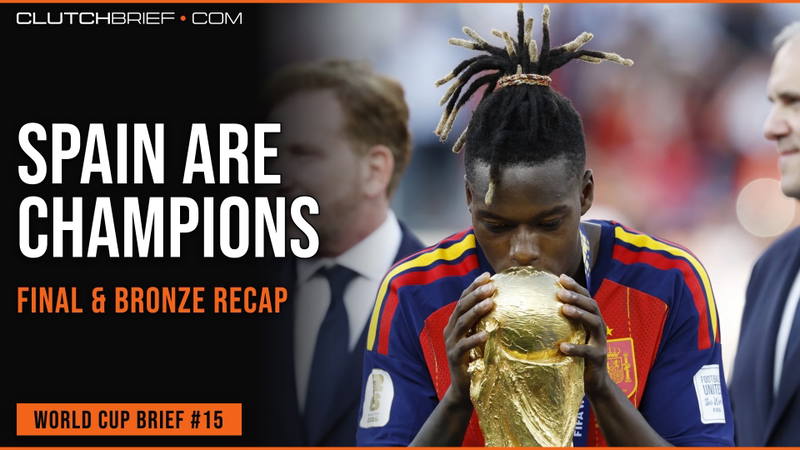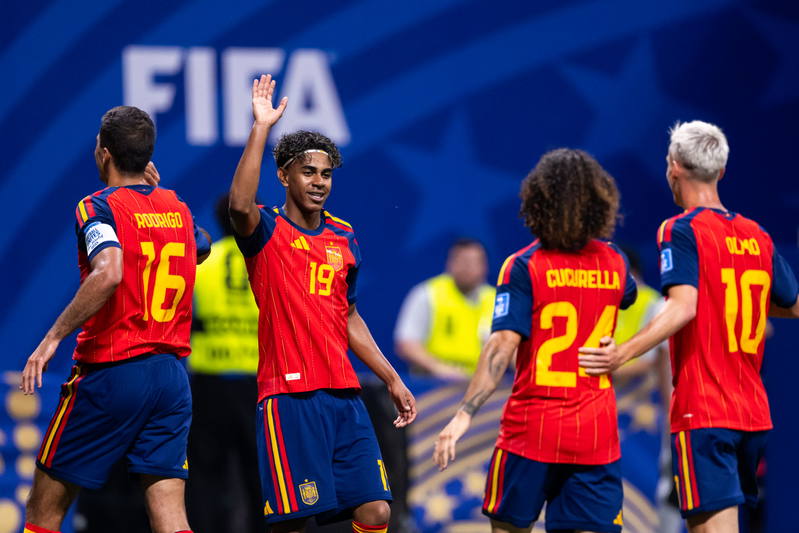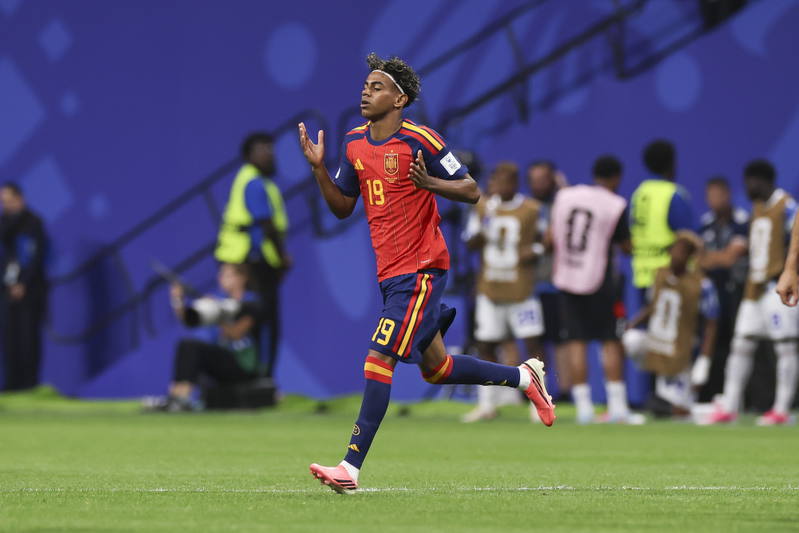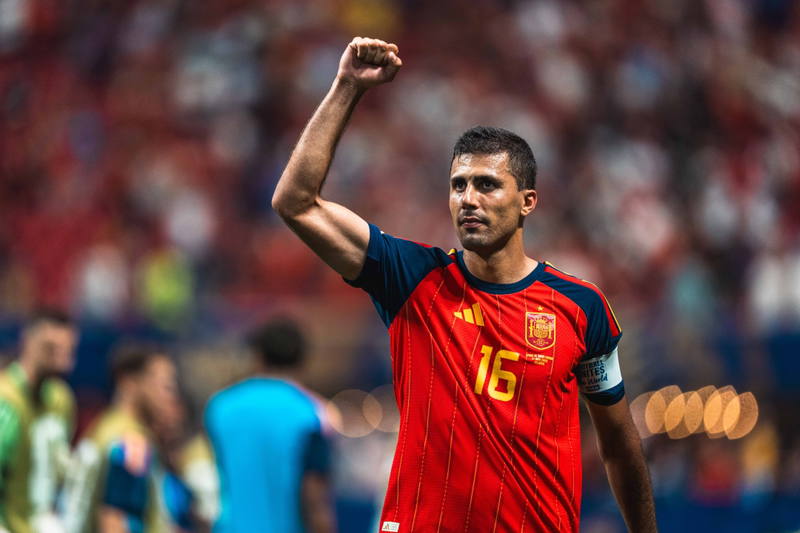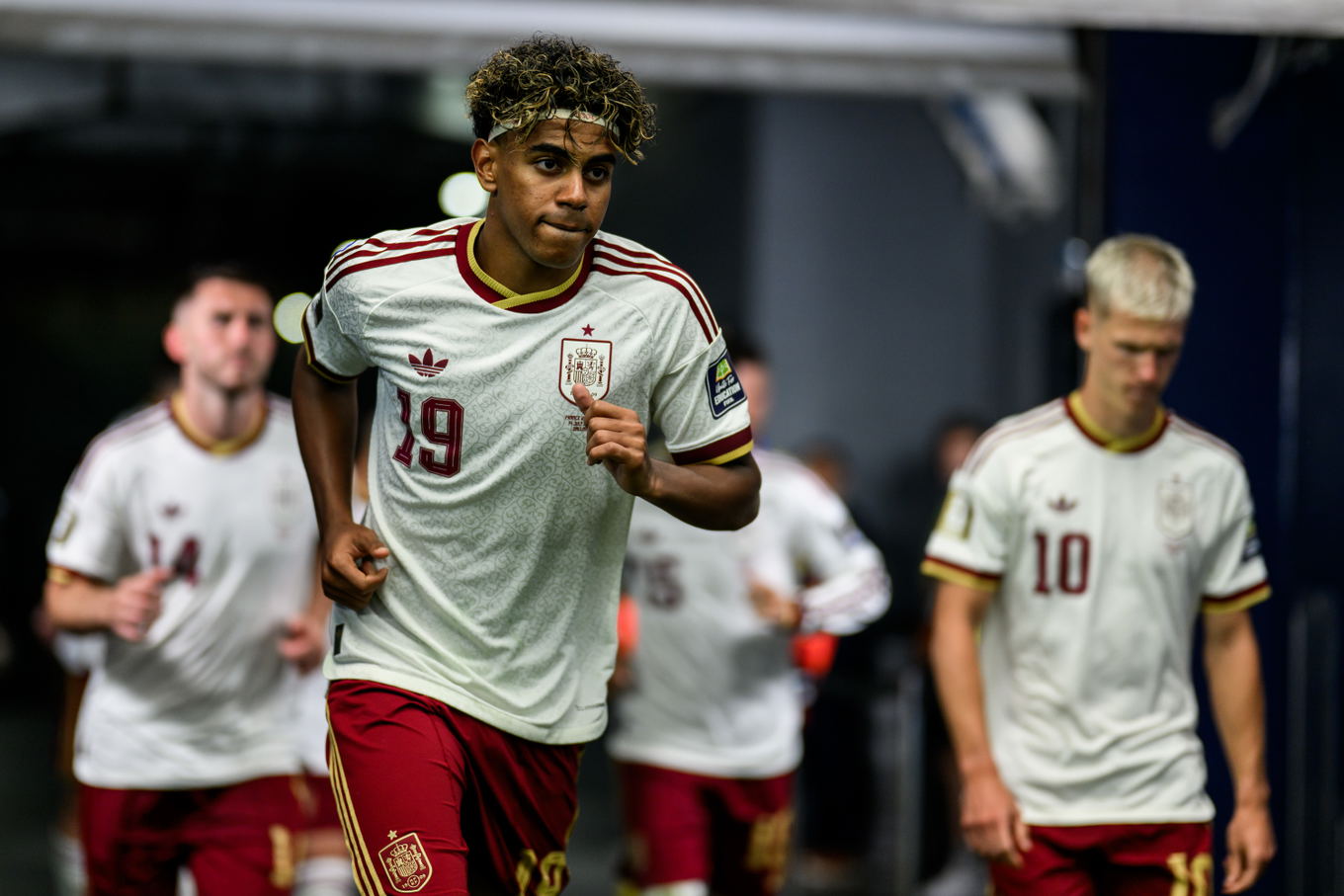
Lamine Yamal and Pau Cubarsí are both 19 years old. Both started the World Cup final for Spain against Argentina. Both ended it with a trophy. In the 106th minute of extra time, as Spain pressed with a man advantage, Ferran Torres fired the winner from Nico Williams' knockdown while Cubarsí held firm at center-back and Yamal worked the flank. The goal crowned a dominance that had been building for 90 minutes. Enzo Fernández had received a second yellow card in stoppage time at the end of normal time, leaving Argentina with 10 men for extra time—a moment that capped a night where Spain's control had already marginalized its opponent.
The blueprint: possession and defense combined
Spain kept 7 clean sheets across 8 matches, conceding only 1 goal across the entire tournament—a defensive achievement built not on isolation but on possession. Ball retention was the architecture: Spain controlled 65% of possession in the final, using it to dictate tempo, compress space, and limit Argentina's transitions. That strategy defined their entire campaign.
Cubarsí was central to that defense. The 19-year-old center-back completed 126 passes in the final, the highest total among all defenders, and won 7 of 10 duels while finishing with a 7.3 rating. Across the tournament, playing 773 minutes without conceding a goal, he offered proof that elite defending no longer means isolation—it means positioning, reading the game, and playing out from the back with precision. Rio Ferdinand noted the accomplishment: "Pau Cubarsí has now won a World Cup & 2 League titles for Barcelona… Both 19 years old – the future is bright for Spanish Football."
Yamal delivered the same 7.3 rating from the wing, completing 5 successful dribbles, winning 9 of 18 duels, and taking 4 shots with 2 on target across the full 120 minutes. His role was to create chaos on the flanks while Spain's midfield maintained control—a dual demand that only players with exceptional press resistance can fulfill.
Rodri was the orchestrator. The midfielder earned an 8.2 rating in the final and won the tournament's Golden Ball for his dominance across 8 matches. In the final alone, he completed 106 passes and won 8 of 10 duels, providing the structural foundation that made Yamal's attacking runs and Cubarsí's ball-playing defense viable. Spain's possession-based approach has been their consistent doctrine since the 2008–2012 era, but Rodri proved its continued scalability against the modern game.
The strange night for Messi and Argentina's miscalculation
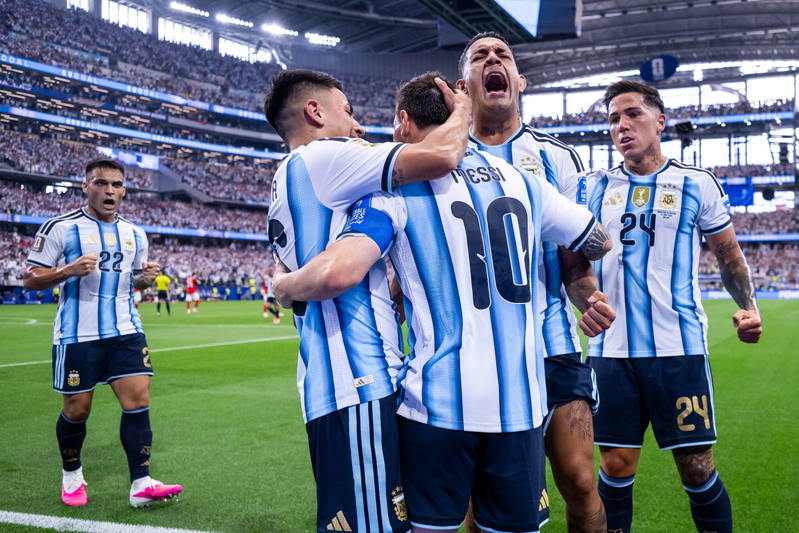
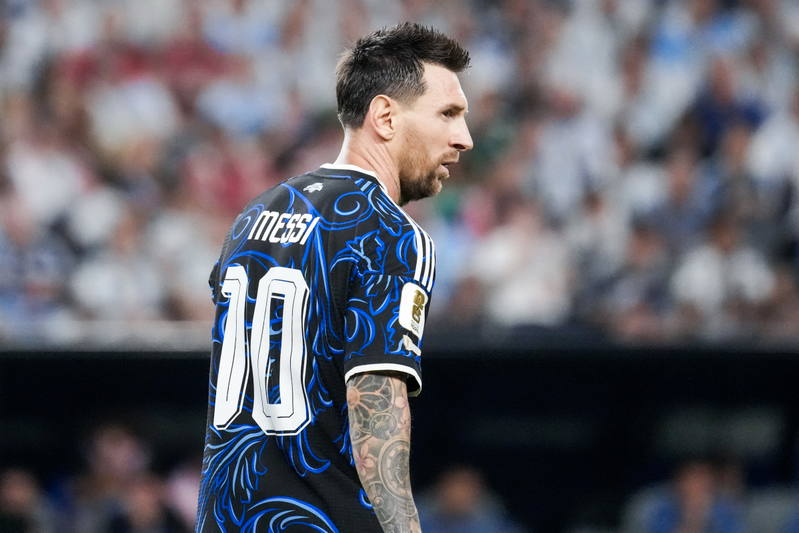
Lionel Messi scored 8 goals and provided 4 assists across the tournament, a statistical performance that dominated the competition. In the final, however, he completed 34 passes, won 9 of 12 duels, and recorded 3 successful dribbles—active in the underlying numbers but peripheral to Spain's narrative of control. M. Martinez, Argentina's goalkeeper, recorded the tournament's highest individual rating of 9.8 despite conceding the goal, making 11 saves throughout the match. Those saves underline the pressure Spain created through possession rather than panic.
Argentina's approach had relied on different principles: a narrower defensive shape, direct transitions, and physicality in midfield. Against Spain's technical precision and relentless ball retention, that approach ran out of oxygen. Spain had already dismantled Portugal, Belgium, and France without abandoning their passing principles. Rio Ferdinand's summary of Yamal applied equally to the entire tournament: "Lamine Yamal has now won a World Cup, Euros for Spain & 2 League Titles for Barcelona… Both 19 years old – the future is bright for Spanish Football." By the time Torres' finish hit the net, both teenagers held the sport's greatest trophy. The old generation's claim on Spain's future had ended.
FAQ
Why did Spain win the 2026 World Cup?
Spain won through possession-based control and defensive discipline. They kept 7 clean sheets in 8 matches, controlled 65% of possession in the final, and dictated tempo against Argentina. Rodri earned the Golden Ball for his orchestration, while 19-year-old center-back Pau Cubarsí conceded just 1 goal across 773 minutes. The tactical consistency proved effective against Portugal, Belgium, France, and Argentina.
How old are the Barcelona World Cup winners?
Lamine Yamal and Pau Cubarsí are both 19 years old and started the World Cup final for Spain. Both won the World Cup, Euros, and two league titles for Barcelona by age 19, representing the emergence of a younger generation trained in possession football and tactical discipline.
What was Lionel Messi's performance in the World Cup final?
Messi scored 8 goals and provided 4 assists across the tournament, statistically dominant. In the final, however, he played a peripheral role: completing 34 passes, winning 9 of 12 duels. Spain's possession control meant Argentina rarely threatened open play, with goalkeeper M. Martinez recording the tournament's highest individual rating of 9.8 despite conceding once.
Why was Enzo Fernández sent off in the World Cup final?
Enzo Fernández received a second yellow card in stoppage time at the end of normal time, leaving Argentina with 10 men for the entirety of extra time. That numerical disadvantage compounded Spain's possession advantage and sealed the outcome.
Written by Daniel Hartley with AI-assisted research, cross-checked against 4 outlets. How we work →