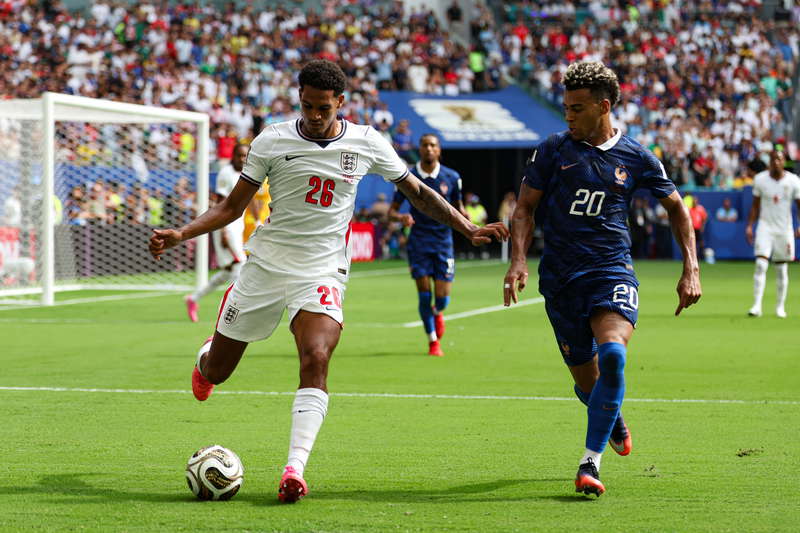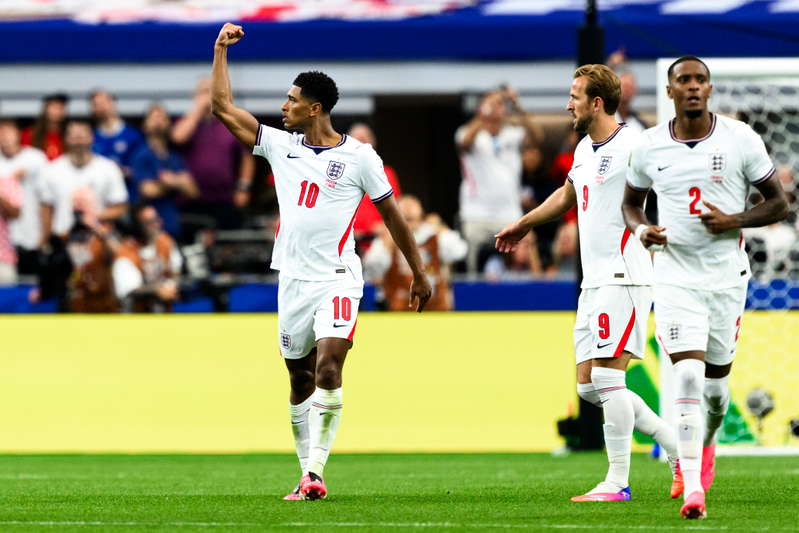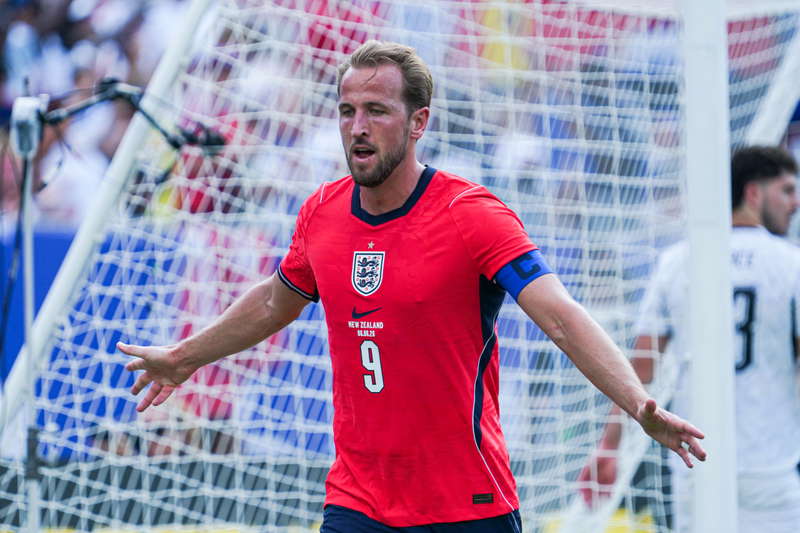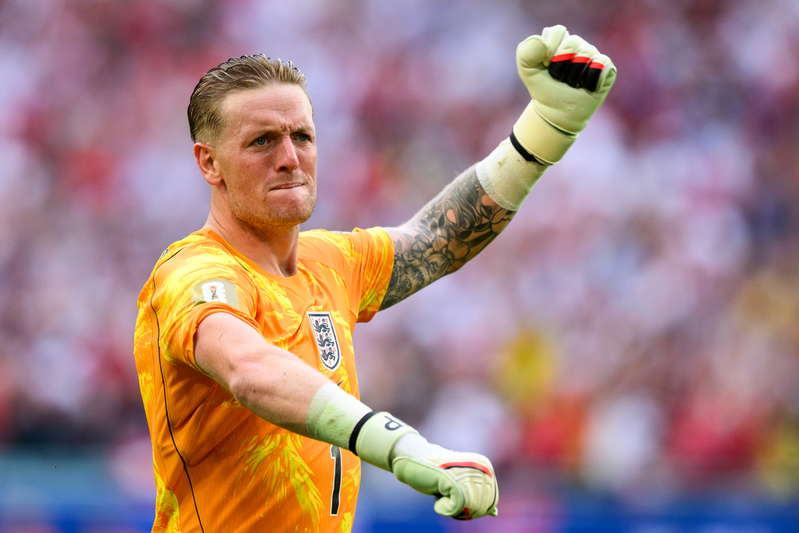



"I analysed the match and I did it a certain way so that's my responsibility. In the moment, no regrets." That was Thomas Tuchel's line after England's 1-2 defeat to Argentina in the World Cup semi-final, and he did not soften it. The result will keep the criticism alive, but Tuchel's own explanation was blunt: he felt the game state and the spaces behind his team pushed him toward protection, not more attack.
In England vs Argentina, Anthony Gordon gave England the lead in the 55th minute from Morgan Rogers' assist. Tuchel then replaced Gordon with Ezri Konsa in the 72nd minute, and England later added Dan Burn and Nico O'Reilly. They were still ahead with six minutes of normal time remaining before Enzo Fernández equalised late and Lautaro Martínez won it in stoppage time.
Tuchel's defence of the switch
Tuchel was never going to dodge the decision. Speaking to standard.co.uk, he said: "You can discuss this with a million coaches [but] I have to make a decision on the pitch."
That is a fair enough position from a coach after a loss like this. He owns the calls, and he is not pretending the ending somehow made them look better than they were.
His reasoning was specific. England started in a 4-2-3-1, but Tuchel said the move toward a back five came because the game was opening up in the wrong areas. "We decided to go to a back five because the gaps were far too open. They won every header, they kept crossing and crossing," he told metro.co.uk.
He also rejected the idea that the answer was simply to throw on more attackers once England had gone ahead. Speaking to rte.ie, Tuchel said: "Of course we wanted to go for the second goal but I did not have the feeling that offensive substitutions would help. We stayed in our 4-4-2 but we became passive, more and more passive."
That last point is probably the key one. Tuchel is not arguing England controlled the closing stages well. He is arguing the passivity came after the goal and after the changes began, not because he stopped wanting a second goal.
The collapse after Gordon's goal
The criticism is easy to understand because the sequence looked bad for England. Gordon, who finished with a 6.9 rating, had given them their best attacking moment and their only goal. Once he went off in the 72nd minute, the game tilted more and more toward Argentina.
Wayne Rooney's verdict on express.co.uk was harsher than Tuchel's. "It was a panic. You can't go a goal up and surrender the ball and any opportunity to get the second goal. That's what top managers do, they see the game."
Rooney's view has evidence behind it. England had just 12 per cent possession between Gordon's goal and Martínez's winner. That does not mean the substitutions definitively caused the defeat, and it is important not to overstate that, but it does show how little control England kept once they were in front.
The late timeline has one small wrinkle depending on the source. Some reports described Enzo Fernández's equaliser as arriving with five minutes left, while the verified event timing puts it at 85 minutes. Either way, England were still in front deep into the game and still let it slip before Martínez finished the comeback in stoppage time.
Where the argument lands
Tuchel's defence is credible up to a point. Coaches are paid to read danger, and he clearly thought the danger came from open spaces, crosses and lost duels rather than from a lack of extra forwards. But the wider complaint is also hard to dismiss when a team leads that late and ends up with so little of the ball.
So the fairest reading is not that Tuchel was obviously right or obviously reckless. It is that he made a defensive call he still believes in, and the game then moved away from England anyway. He has accepted responsibility, refused to apologise and left himself with a result that will be judged far more harshly than the explanation.
England's exit is settled. The argument over Tuchel's switch will last longer than the semi-final itself.
FAQ
Why is Thomas Tuchel saying he has no regrets after England lost to Argentina?
Tuchel said the tactical decisions were his responsibility and insisted he would stand by them. He argued England deserved to be 1-0 up after Anthony Gordon's goal, and said the move toward a back five was meant to deal with open gaps and repeated crosses rather than simply sit on the lead.
Did Thomas Tuchel change England to a back five against Argentina?
Yes. England started in a 4-2-3-1 and Tuchel said he decided to go to a back five because the gaps were too open and Argentina were winning headers and sending in crosses. The switch became the focus after England lost control and were turned over late.
What happened after Anthony Gordon scored for England against Argentina?
Gordon scored in the 55th minute from a Morgan Rogers assist. Tuchel then replaced him with Ezri Konsa in the 72nd minute, with Dan Burn and Nico O'Reilly also introduced later. England were still leading with six minutes of normal time left before Enzo Fernández equalised late and Lautaro Martínez scored in stoppage time.
Was Wayne Rooney right to criticise Tuchel's substitutions against Argentina?
Rooney called it panic and argued England surrendered the ball after going ahead. That criticism has some weight because England had just 12 per cent possession between Gordon's goal and Martínez's winner. Still, Tuchel's account is clear: he thought attacking changes would not help and the bigger issue was England becoming passive.
- caughtoffside.com
- express.co.uk
- football365.com
- independent.co.uk
- metro.co.uk
- mirror.co.uk
- rte.ie
- skysports.com
- standard.co.uk
Written by Jack Mercer with AI-assisted research, cross-checked against 9 outlets. How we work →