

“I'm seeing this goal way too many times for a World Cup for there not to be something up with that football,” Joe Hart said on BBC Sport. That suspicion is now being shared more openly. Kasper Schmeichel has also questioned the Trionda, and the timing is hard to ignore, with 20 goals from outside the box already scored and several keepers beaten despite getting a hand to the shot.
The goalkeeper suspicion is no longer isolated
Hart's point was specific. He said he is noticing goalkeepers getting touches above shoulder height and still not being able to keep the ball out. He is not claiming proof, but he clearly thinks the pattern has shown up too often in this tournament.
Schmeichel's explanation goes a bit further. Speaking to BBC Sport, he said: “The thing about this one is the construction of it is four panels this time. There's no stitching in it - it's all bonded together. When you mix that in with the different weathers, the air density, there's less drag on the ball, which means it doesn't spin as much, but it also means I find it a split second faster and I think we're seeing that a little bit.”
That is a plausible football argument because Schmeichel is not talking about wild movement or magic-ball nonsense. He is talking about tiny timing changes. His shorter summary was even clearer: “It's marginal, but it's enough. Goalkeeping is a game of margins.”
Adidas says the Trionda has a four-panel construction, the fewest ever for a World Cup ball. That does not settle the debate, but it does at least match what Schmeichel is describing about the design.
The tournament trends give the debate some weight
The strongest support for the concern is not one highlight clip. It is the wider spread of similar moments. There have been 20 goals from outside the box so far, twice as many as in the whole of the 2022 group stages. Opta also says there have been 11 errors leading to goals at the tournament, more than in the group stages of any of the past seven World Cups.
Some of the individual examples are hard to dismiss. Luca Zidane has already conceded in the same way on two separate occasions, against Argentina and Jordan. Curaçao's Eloy Room, meanwhile, made 15 saves, a record-equalling total, as his side claimed their first ever World Cup point.
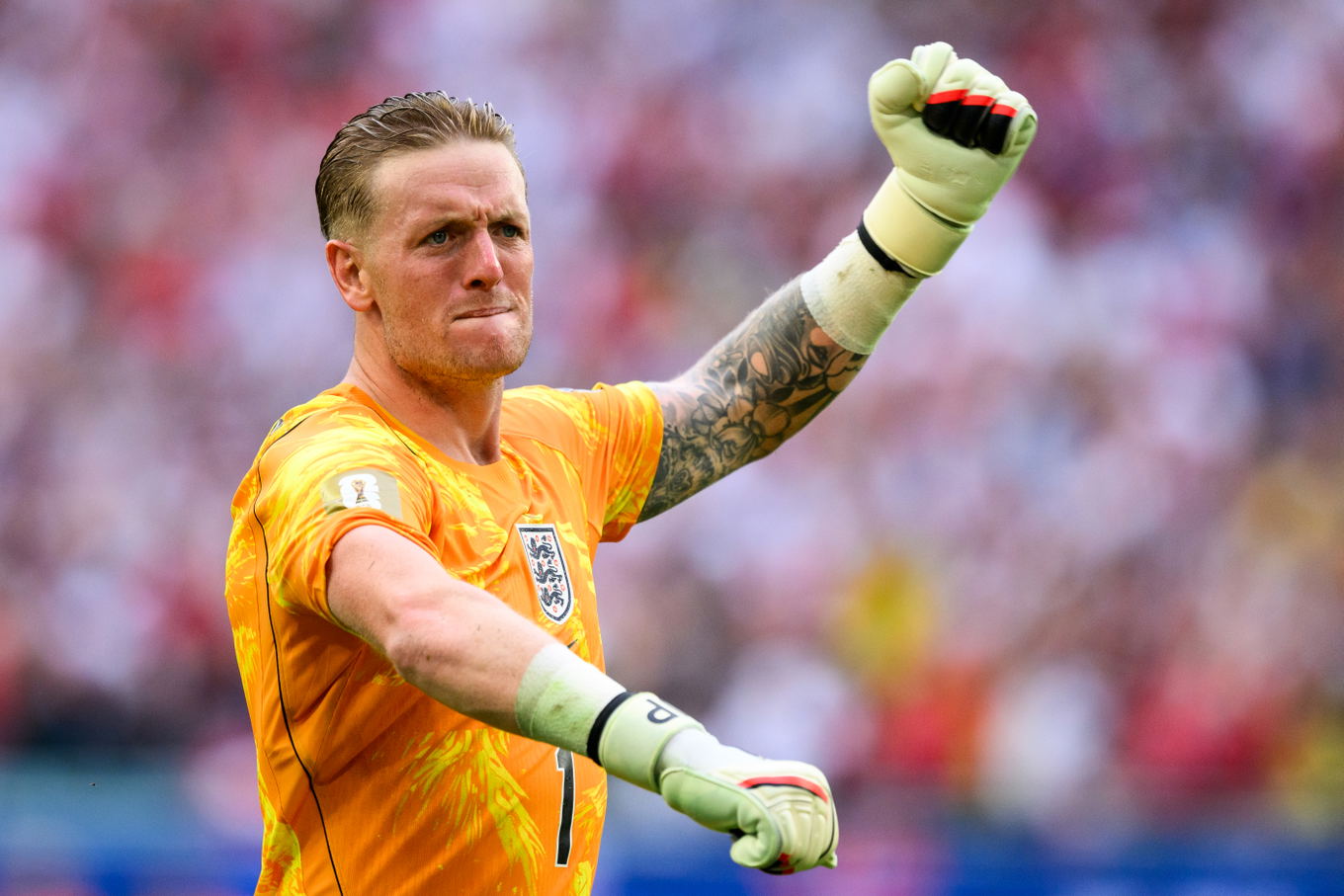
The important bit is that good goalkeeping has still existed alongside the doubts. England kept a clean sheet in their draw with Ghana, and Jordan Pickford posted a 7.0 rating in that match. Iran also shut out Belgium, while Cape Verde Islands held Spain without conceding, with Vozinha central to that result.
So this should not be turned into a lazy claim that every keeper is struggling or that the ball is definitely to blame. But the Hart and Schmeichel line is still persuasive enough: when long-range goals are flying in, touches are not always enough, and experienced goalkeepers are noticing the same details, the Trionda has earned scrutiny.
The line between suspicion and proof
This is where the debate needs a bit of discipline. Hart is offering an expert read from a former elite goalkeeper. Schmeichel is adding a technical explanation tied to the ball's construction. Neither of them is saying the Trionda alone is causing mistakes.
That is the sensible position to hold here as well. The ball may be contributing to tougher margins for keepers, especially on shots from range, but tournament football always brings other variables with it. Weather, technique, positioning and shot quality still matter.
What has changed is that the conversation is no longer based on one odd goal. It now includes repeated goalkeeper complaints, a spike in goals from distance, and a rise in errors leading to goals. With the World Cup still running, the Trionda will keep being watched every time a goalkeeper gets a strong hand to a shot and still sees it go in.
FAQ
Why are Joe Hart and Kasper Schmeichel questioning the Trionda ball?
Both former goalkeepers suspect the World Cup ball may be making marginal saves harder. Joe Hart said he is seeing too many goals where keepers get a hand to the ball but still cannot keep it out. Kasper Schmeichel pointed to the Trionda's four-panel, bonded design and said reduced drag can make it feel a split second faster.
Is there any evidence behind the Trionda ball debate at World Cup 2026?
There is no proof that the ball is directly causing errors, but the debate has some backing in tournament trends. There have been 20 goals from outside the box so far, twice as many as in the whole of the 2022 group stages. Opta also says there have been 11 errors leading to goals, more than in the group stages of any of the past seven World Cups.
Have any goalkeepers still performed well despite the Trionda concerns?
Yes. Curaçao's Eloy Room made 15 saves, a record-equalling total, as his side claimed their first ever World Cup point. Iran also kept Belgium out, and Cape Verde Islands held Spain without conceding, with Vozinha central to that result. The ball debate is about fine margins, not a claim that goalkeeping has become impossible.
Written by Jack Mercer with AI-assisted research, cross-checked against 1 outlet. How we work →