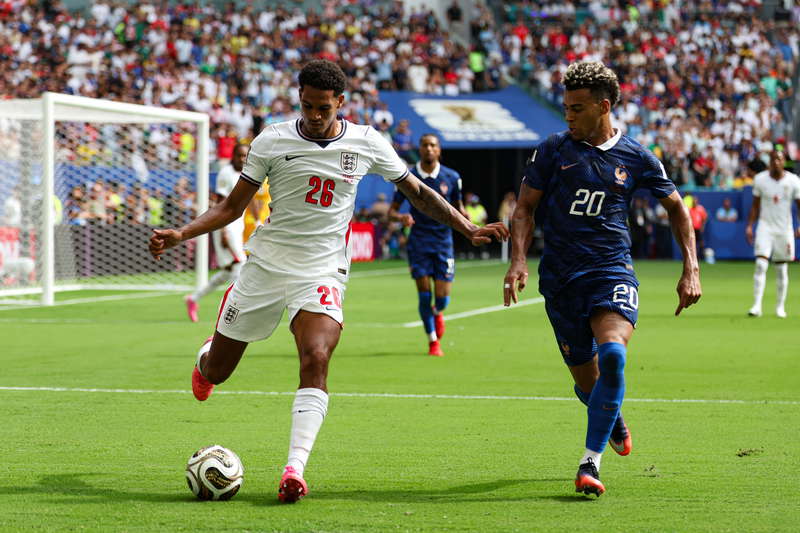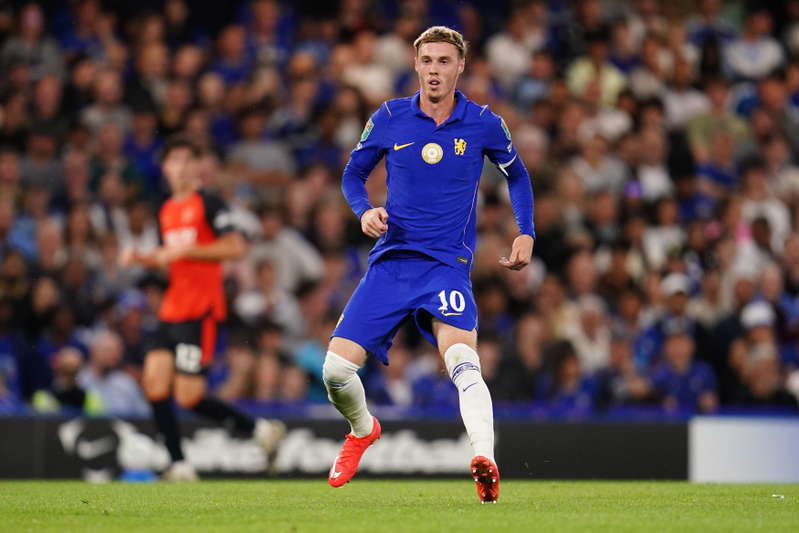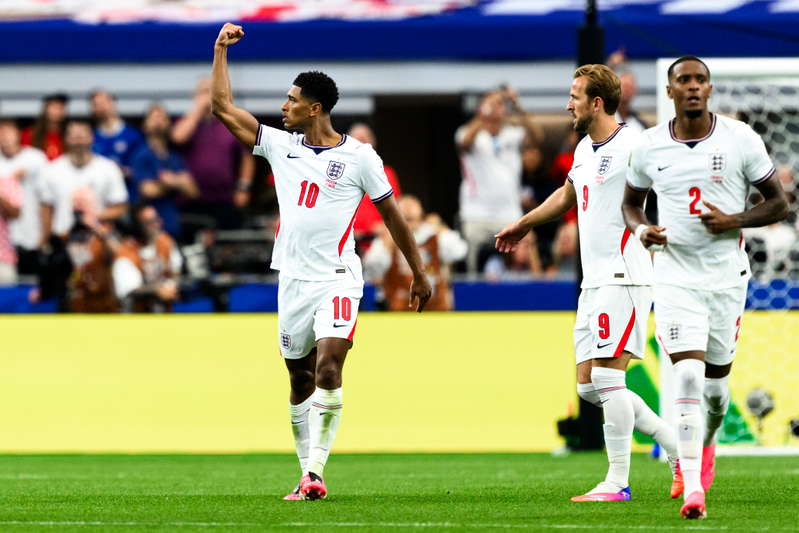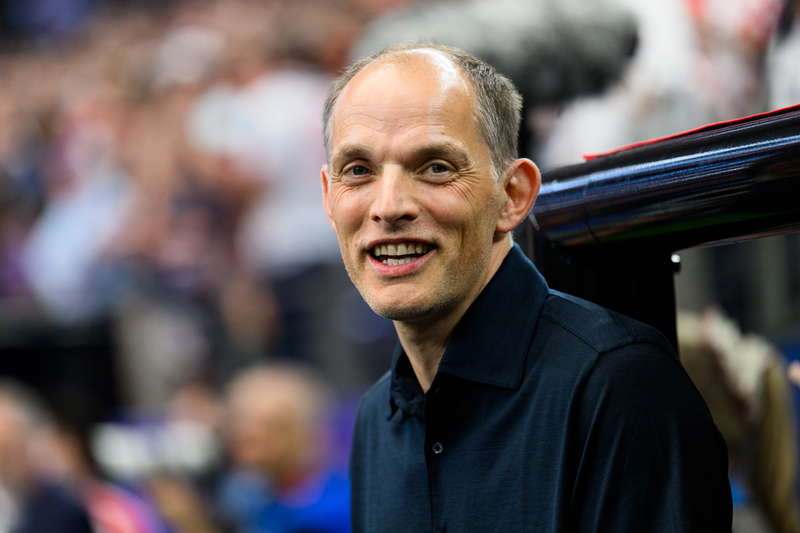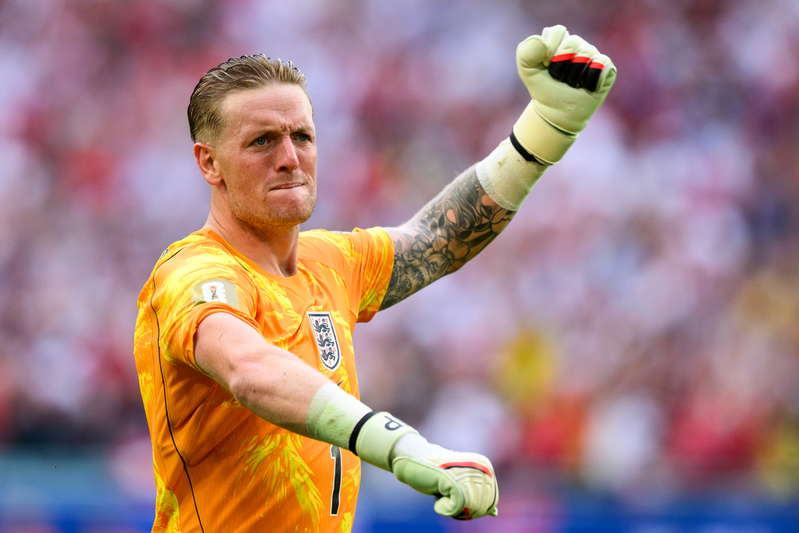


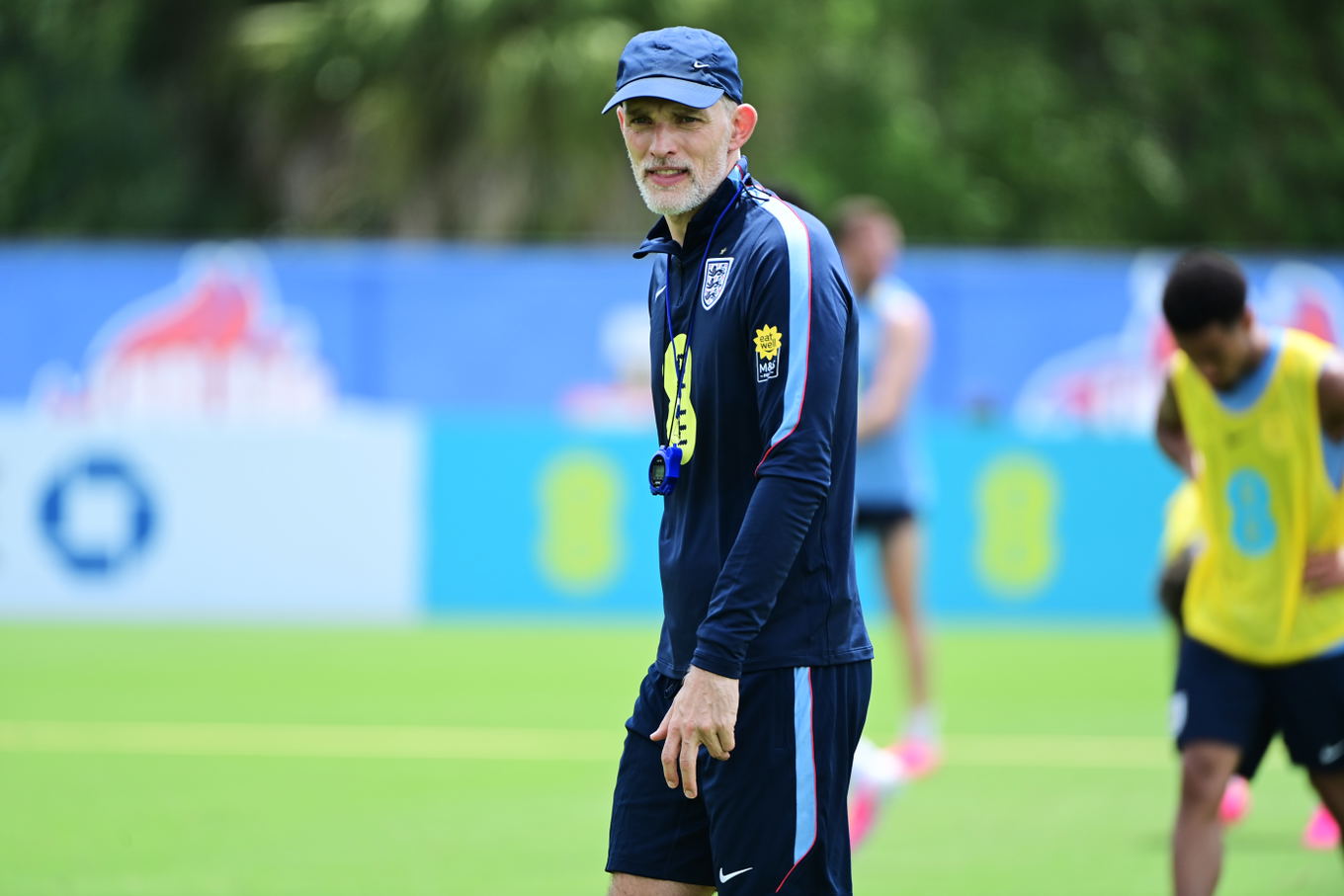
Earlier this week, we examined Tuchel's selection gamble: Morgan Rogers over Bukayo Saka. On Tuesday in Miami, England led 1-2 against Argentina - until late chaos handed them a 2-1 defeat. "Of course, the responsibility is on the coach, and if it doesn't go well, it is easy to say it was wrong," Tuchel said after the match. The FA disagreed. By Thursday, they had confirmed: Tuchel stays as England manager through Euro 2028.
The tactical controversy
Anthony Gordon gave England a 55th-minute lead with a clinical finish from Rogers' cross. But seventeen minutes later, Tuchel replaced Gordon with defender Ezri Konsa. By the 85th minute, Enzo Fernández had equalised. By 90+2, Lautaro Martínez had headed home the winner.
England's possession statistics told a stark story: they managed only 12 per cent of the ball after taking the lead, a dramatic collapse from their first-half dominance. That retreat - and the timing of the Gordon substitution - became the focal point of criticism over what followed.
"We're disappointed; we were so close, but we got too passive after we scored and conceded a lot of chances," Tuchel told reporters. He attributed the passivity to team performance rather than tactical setup. "We could not turn the ball possession around and then conceded so many crosses, chances and shots."
Here's where the debate sharpens. Some observers viewed the Gordon-for-Konsa swap as a defensive, cautious decision at the precise moment England needed to maintain their attacking posture. Tuchel's counter: the substitution was reactive to Argentina's intensity and shifting shape, not a pre-planned retreat.
"They won every header; they kept crossing and crossing, so we went to a back five to close the gaps inside and be strong in the air," Tuchel explained.
The possession collapse after Gordon's removal was undeniable. But by Thursday, the FA had decided the incident did not justify his removal. Their retention of Tuchel suggested they had accepted his core argument: the defensive shift was reactive to Argentina's pressure, not a loss of nerve.
Messi's decisive influence
Yet the most decisive factor in England's defeat had little to do with tactical setup. Argentina's victory was built on the shoulders of Lionel Messi, who orchestrated both late goals.
Messi's influence was overwhelming. He registered an 8.6 player rating - the highest on the pitch - and contributed 2 assists, 4 key passes, and 9 successful dribbles. With 63 per cent success in duels (12 of 19), he controlled the match's tempo when it mattered most.
Enzo Fernández, pushed deeper into attacking involvement as Argentina pressed forward, finished Messi's assist in the 85th minute to level the score. Then, in stoppage time, Lautaro Martínez completed the comeback with a header, also from a Messi assist.
Martínez had played only 334 minutes across the tournament before his substitute appearance. His clinical finish - 1 goal on 1 shot on target - exemplified Argentina's sharpness when it mattered.
Messi set up both goals. The loss to a reigning world champion, orchestrated by one of the game's greatest players, provided context for what followed: the FA's decision to retain Tuchel.
The federation's backing
The result was never in doubt by Thursday afternoon. Mark Bullingham delivered the FA's backing - Tuchel remains manager through Euro 2028. "The players and Thomas gave it everything today, and the squad, coaches and staff could not have worked harder during the tournament," the FA chief said. The debate over his tactical calls in Miami will persist. But the immediate question about his job was answered.
FAQ
Why did the FA keep Tuchel after England's World Cup semi-final loss?
The FA decided that losing a semi-final to a reigning world champion orchestrated by one of football's greatest players was not grounds for dismissal. Mark Bullingham praised the squad's effort during the tournament. Tuchel's explanation - that England's defensive shift was reactive to Argentina's pressure - appears to have satisfied the federation.
What was controversial about Tuchel's substitutions in the Argentina match?
Anthony Gordon scored in the 55th minute to give England a 1-0 lead. Seventeen minutes later, Tuchel replaced him with defender Ezri Konsa. England's possession collapsed to 12%, and Argentina scored twice in late stages to win 2-1. Tuchel argued the defensive shift was reactive to mounting pressure, not a loss of nerve.
How did Lionel Messi change the England-Argentina game?
Messi orchestrated both Argentina goals with an 8.6 player rating - the highest on the pitch. He completed 2 assists, 4 key passes, and 9 successful dribbles. His control of tempo proved decisive when England's early command evaporated in the final stages.
Written by Jack Mercer with AI-assisted research, cross-checked against 2 outlets. How we work →