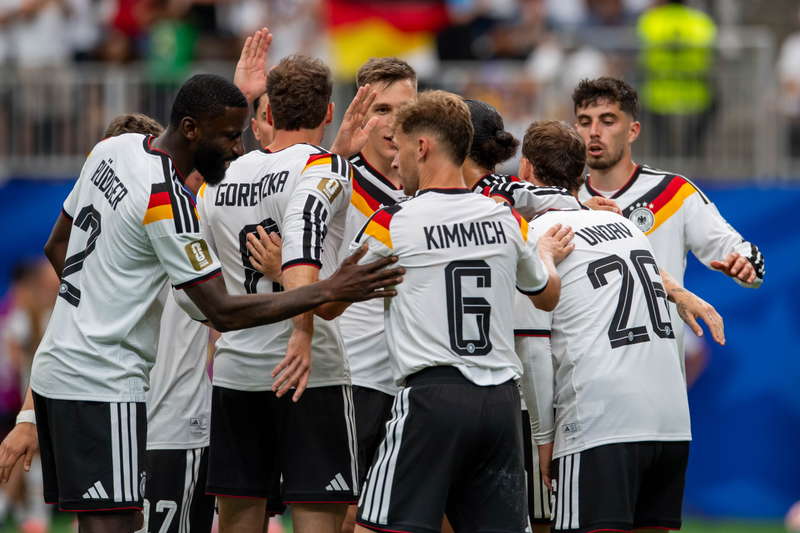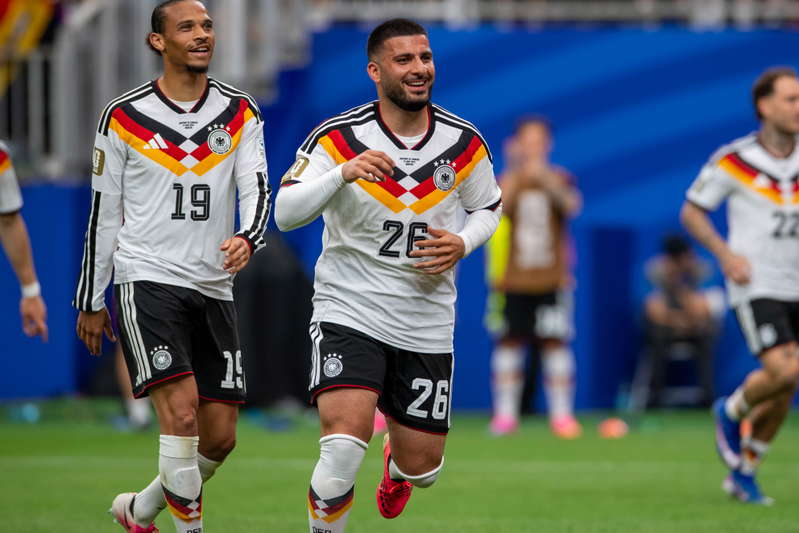



Deniz Undav starts the new season as VfB Stuttgart's captain after Sebastian Hoeneß replaced Atakan Karazor and handed him the armband. It is a bold call after a season in which Stuttgart finished 4th in the Bundesliga, returned to the UEFA Champions League for the second time in three seasons and leaned on Undav's goals more than ever.
Undav scored 25 goals in all competitions last season, including 19 in the league. He also has 27 Bundesliga goals in 59 appearances for Stuttgart, which is why Hoeneß was comfortable talking up his influence in squad terms as well as on the pitch.
Undav's role and Stuttgart's expectations
Hoeneß said Undav is "an experienced player who has already taken on a lot of responsibility, is always in close contact with the coaching staff and the team, and enjoys a high standing." That fits the way Stuttgart are using him. He is no longer just the finisher at the end of moves, he is the one expected to set the tone for a side trying to build on last season's fourth-place finish.
The pressure is obvious. Stuttgart are back in Europe, and they are doing it with their most productive attacker now asked to carry the captaincy as well. That is a bigger load than most forwards get, but Undav has earned it with his output and his standing inside the group.
The forward depth behind him
The other reason this feels like more than a simple armband story is the competition up front. Dženan Pejčinović added a debut hat-trick in the win over Hansa Rostock, yet he still has only one Bundesliga appearance and 63 Bundesliga minutes for Stuttgart. That makes him the kind of option that can force questions quickly, but not one who has displaced the established order.
Stuttgart's first three Bundesliga fixtures are Bayern Munich away, Cologne at home and Hoffenheim away. With that kind of start, Hoeneß will need Undav leading both the dressing room and the attack. The captaincy looks deserved. The workload is the real test.
Written by Jack Mercer with AI-assisted research, cross-checked against 1 outlet. How we work →