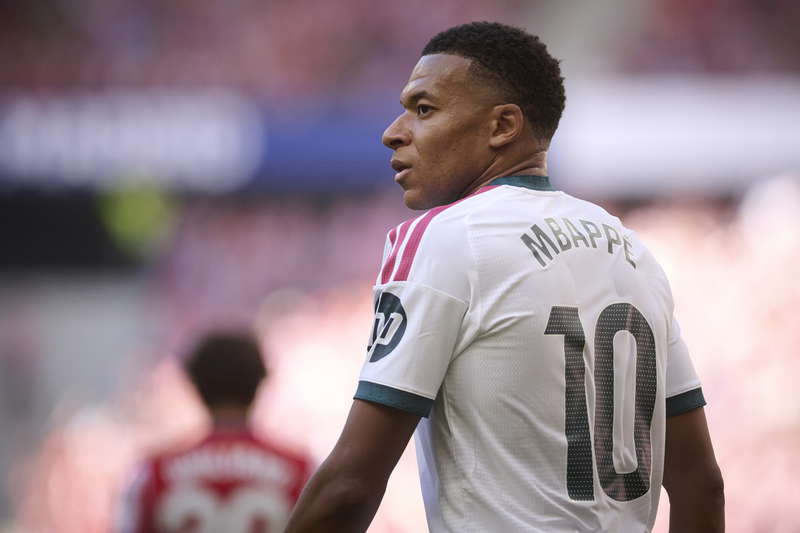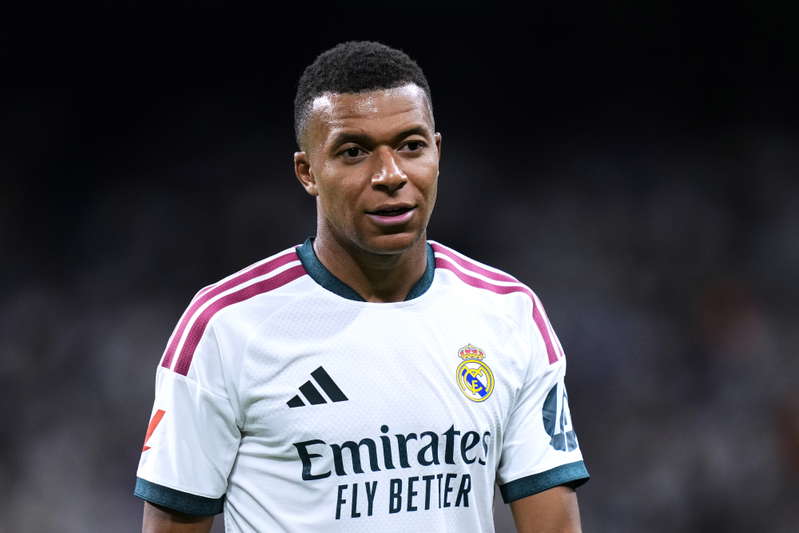


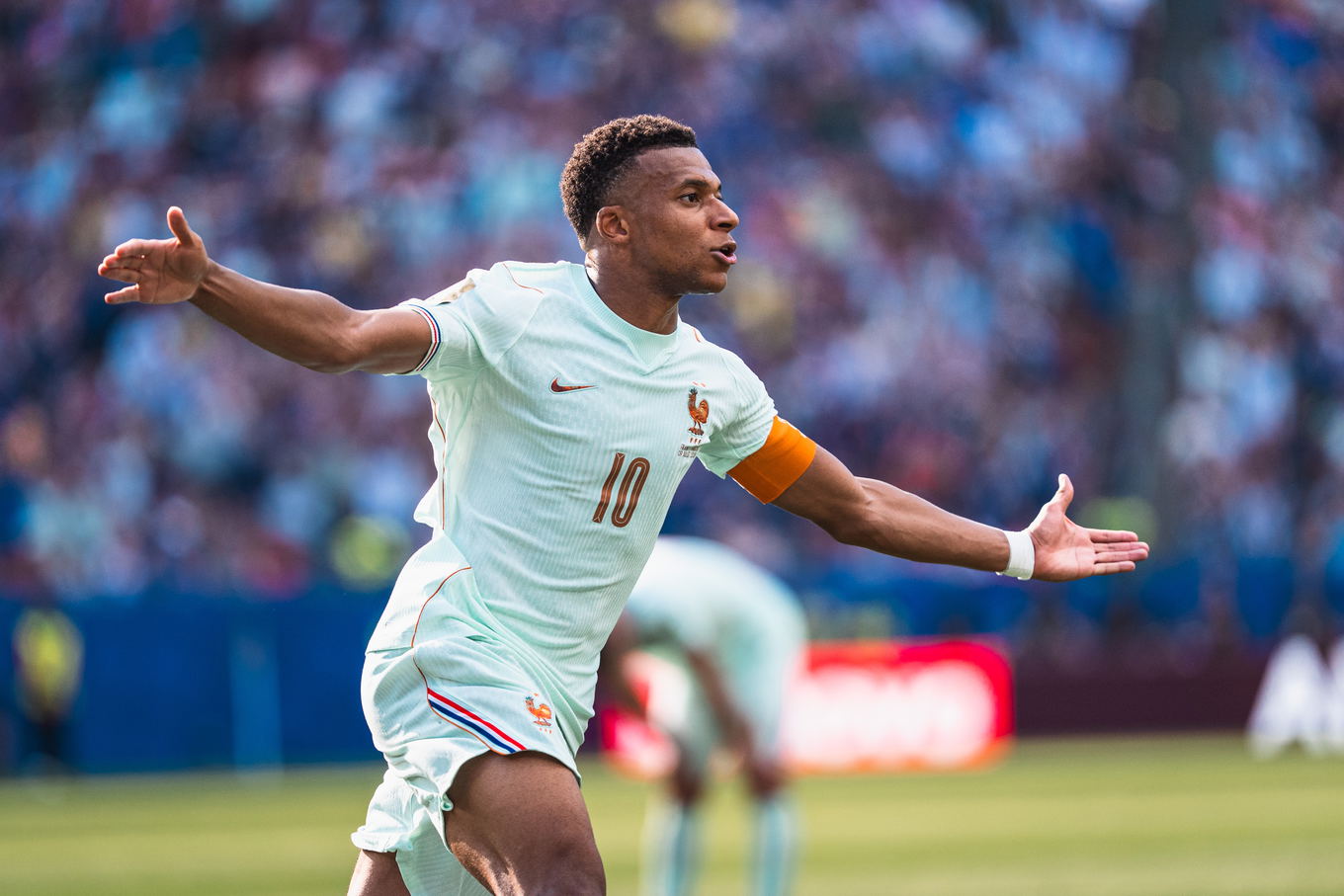
"I think it was difficult for us because tactically we had a plan to go for them on the press, to go one-against-one, to not let them lead the tempo of the game. That's what we let them do. We let the midfield too much time to play." Kylian Mbappé told SI.com after France fell to Spain in the World Cup semifinal. It was not a complaint about the referee, nor a deflection toward the opposition. It was a captain admitting that his team got the setup wrong.
The penalty that handed Spain an early advantage - Lucas Digne's 22nd-minute foul on Lamine Yamal, converted by Mikel Oyarzabal - will dominate post-match debate for weeks. Didier Deschamps questioned whether the referee possessed the caliber needed for a World Cup semifinal. But Mbappé's confession cuts deeper than any refereeing grievance. Spain did not win because of a contentious call or because fortune favored them. They won because France ceded control of the midfield through a setup that left them fundamentally outnumbered.
The three-against-two problem
The root was simple arithmetic. France's 0-2-0-2 formation deployed two holding midfielders against Spain's three-man midfield of Rodri, Fabián Ruiz, and Pedri. This was not a personnel failure - it was a structural one. Mbappé stated it plainly: "From the start, with the pressure we applied, we always found ourselves three against two in midfield, and against Spain, that's already a challenge."
That numerical disadvantage proved decisive from the opening whistle. Rodri and Fabián Ruiz combined for 165 touches, controlling play with technical precision. Rodri dispatched 68 passes and won 11 of 15 duels, rated 7.13. Fabián contributed 65 passes and 2 key passes in 78 minutes, rated 7.02. Despite aggressive pressing from France, Spain completed 117 of 127 pass attempts - a 92% accuracy rate - and forced just 10 turnovers across the entire match. The dominance was not marginal. Spain controlled the tempo because they had the numerical advantage to sustain it.
The penalty and what came after
In the 22nd minute, Digne's contact with Yamal gave Spain an opening. Deschamps later questioned whether the referee was caliber enough for a semifinal stage. Luis de la Fuente countered that both sides had experienced marginal VAR decisions throughout. The point holds merit. Yet Spain's dominance was established before the penalty, not created by it. By the 58th minute, when Pedro Porro (rated 7.99 - the match's highest individual rating) added a second goal, Spain's control had been exercised for half an hour. The penalty accelerated the scoreline but did not determine the outcome.
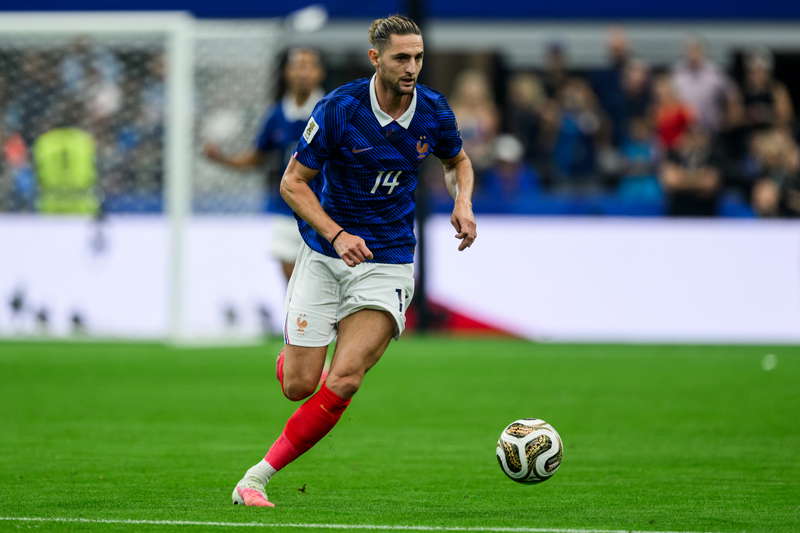
Deschamps pointed to individual absences - Saliba's injury, Rabiot's suspension risk. But Mbappé's post-match admission pointed elsewhere: to the formation itself. A 2-0-2-0 against Spain's three left France exposed regardless of who was available. It was a strategic choice, and against a team built to exploit that exact weakness, it did not work.
Mbappé's singular blank
For Kylian Mbappé, the semifinal registered as an anomaly in an otherwise dominant tournament. Rated 5.89 - the lowest of his seven World Cup appearances - he managed 3 shots (none on target), 0 goals, 0 assists. In his previous six matches, he had scored 8 goals and contributed 3 assists, a redemption arc that reframed his Real Madrid struggles after a 70-million-signature petition demanding his exit.
One blank match does not rewrite a tournament, and Mbappé refused to pretend otherwise. "As captain I have to take all the responsibility and I have no problem with that," he said. He owned the collective failure - not by blaming the referee, not by citing absences, but by naming the tactical mismatch. France were "three against two in midfield." That was the problem, and it is a harder truth than any contentious call.
FAQ
Why did France lose to Spain in the World Cup semifinal?
France's 4-2-3-1 formation left them with only two holding midfielders against Spain's three, creating a numerical disadvantage. Despite aggressive pressing, Spain maintained a 92% pass completion rate. Mbappé himself admitted France 'let the midfield too much time to play.'
Did the Digne penalty decide the France vs Spain match?
The penalty in the 22nd minute was genuine - Lucas Digne fouled Lamine Yamal - and Mikel Oyarzabal converted it. However, Spain's midfield dominance was established before that goal. Pedro Porro's second goal in the 58th minute confirmed Spain's control had been exercised throughout.
How many goals did Mbappé score in the World Cup?
Mbappé finished with 8 goals and 3 assists across his first six World Cup matches. His semifinal against Spain was his only blank game (rated 5.89, his lowest of seven appearances), but one match does not erase his tournament contribution.
Written by Sam Whitfield with AI-assisted research, cross-checked against 7 outlets. How we work →