

“Whether it is 10 degrees or 30 degrees, we should have done better,” Rudi Garcia told BBC Sport. That line cuts through one of the easiest tournament excuses. The World Cup 2026 European teams story is not just that Europe now fills six of the eight quarter-final places. It is that the continent looked shaky early, then adjusted fast enough to take over the knockout bracket.
Six of the eight quarter-finalists in North America are from Europe, and that is the most European sides to reach the last eight at a World Cup held outside Europe since 1994. That scale matters on its own, but the more revealing figure is the one from the opening days: seven of the first 10 European sides to play their first group-stage games failed to win.
The shift from group-stage doubt to knockout control
That poor opening created the obvious line of attack. Heat, travel and unfamiliar conditions seemed to be dragging European sides into a slower tournament than many expected.
By the end of the group stage, though, the numbers had changed sharply. European teams had gone 17 wins, 12 draws and 7 losses against non-European opponents. That is not total domination, but it is a strong enough record to show the early wobble did not become a pattern.
Garcia’s quote lands because it pushes back against the lazy version of the debate. Conditions have shaped matches across North America, but they are not a catch-all explanation for every European stumble or every later recovery. Adaptation is the better word here.
Belgium are part of that. Their first two tournament matches ended in draws, but they have since gone unbeaten in four straight World Cup games and won three in a row. Matt Upson’s warning on BBC Sport was a fair one: “It was encouraging signs from Belgium. They are going to need to be good against what is a brilliant Spanish midfield.” Belgium’s improvement looks real, but their level will be tested properly by Spain.
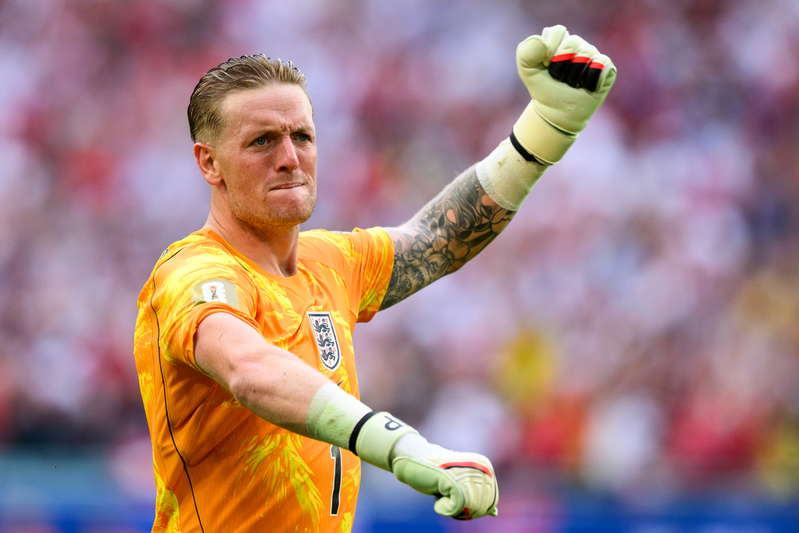
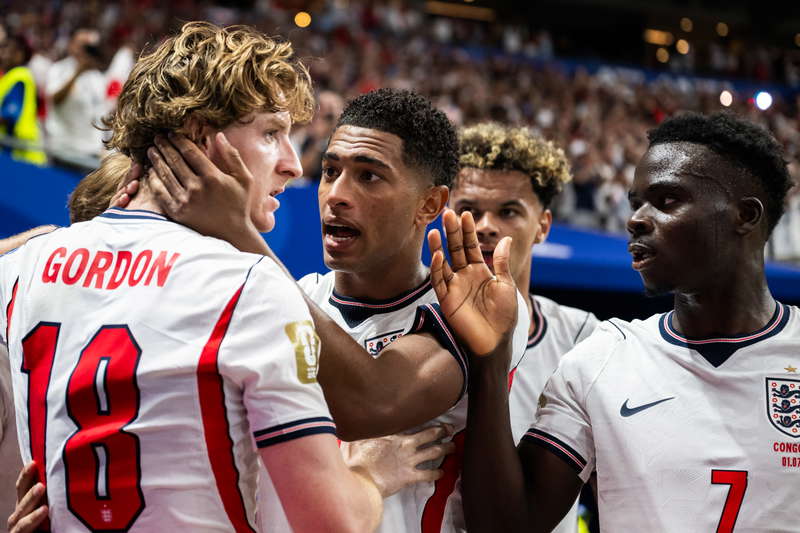
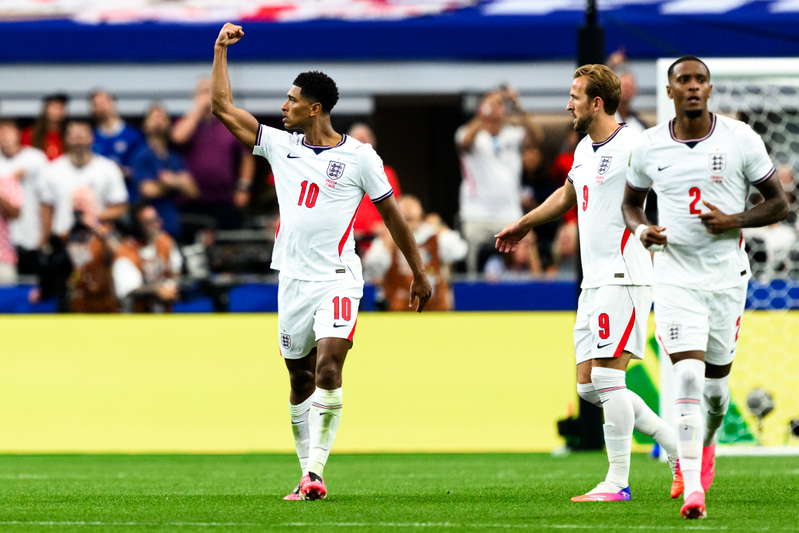
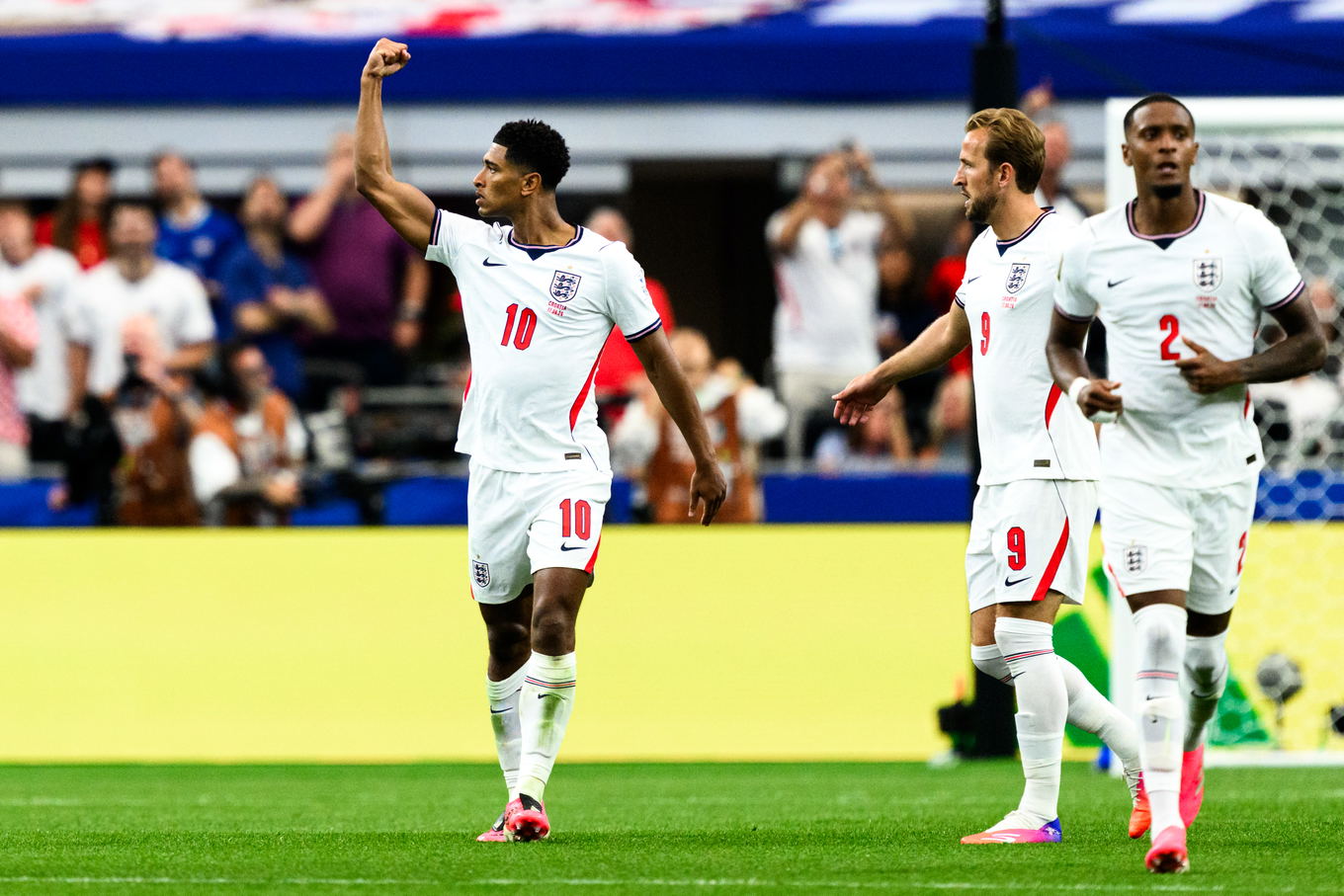
England offer a different version of the same trend. They had to handle altitude and a hostile crowd in Mexico City before coming through one of the toughest knockout environments in the tournament. Anthony Barry said the staff expected problems early against Mexico: “No frustration, a full throttle match, every minute feels like the 90th. We prepared the players that up until the first water break, it would be a difficult game, we would have to suffer, Mexico always start fast, we knew 0-0 would be a good result.”
That match has become a small argument of its own because fixture verification is incomplete, so publishing a precise scoreline is risky. The broader point is still clear enough without it: England came through a difficult tie in difficult conditions, and they now have four wins and one draw in their last five World Cup matches.
The favourites still look strong, but the bracket is not just old power
This is where Europe’s surge becomes more interesting than a simple numbers exercise. The expected heavyweights are still there, but the shape of the last eight is not only about established power.
Wayne Rooney went big on England after their knockout win, saying: “This has shown we have a team capable of winning the World Cup. The belief this will give to these players his huge.” The wording is blunt, but the point stands. England’s run has included a proper stress test, not just comfortable progression.
Still, France remain the strongest European case. Danny Murphy put it plainly on BBC Sport: “It's hard to look past France with the firepower they have, when you think about extra time in hot weather against tired legs. The likes of Rayan Cherki, Ousmane Dembele and Desire Doue can't all start, but they can be gamechangers if they come on after 70 minutes in 30 degrees heat.” France have won their last five World Cup matches, and the depth argument is persuasive because it fits the conditions rather than ignoring them.
Spain are close behind. They opened with a draw, then won four straight matches, which gives them an unbeaten five-game run in the tournament. Gael Clichy’s shortlist of France, Spain and England as the main contenders feels about right based on the quarter-final field now in place.
Then there is Norway, which stops this from becoming a routine story about the biggest nations taking over late. Norway are making their first World Cup appearance since 1998. They have won four of five tournament matches, and Erling Haaland has seven goals. That is not a novelty run.
Switzerland belong in that bracket too, even without an entity link here. They have reached the last eight for the first time since 1954, and Murat Yakin said: “This is a historic moment. We have reached the best ever for the Swiss team but the trip goes on.” That is exactly the right tone. Switzerland have already made history, but they are not in the quarter-finals by accident.
Europe’s depth is real, even if the start warned against certainty
The quarter-final picture now backs the idea that Europe’s strength lies in depth as much as star power. Six of eight in the last eight is a serious number, especially outside Europe, and it has not happened at this level since 1994.
But the slow opening still matters because it stops the analysis becoming too neat. Europe did not arrive and roll over the tournament from day one. Seven of the first 10 opening games without a win showed that the conditions were real and the adjustment period was real too.
That is why the strongest reading is not that Europe was always going to dominate, or that heat concerns were overblown from the start. It is that the better squads, stronger benches and quicker adjustments have shown up as the tournament has gone deeper.
France, England and Spain still look like the clearest European contenders, with Belgium improving and Norway changing the mood of the bracket. The last eight now contain six European sides, and that is the hard fact shaping World Cup 2026.
FAQ
Why are European teams dominating the World Cup 2026 quarter-finals after a slow start?
The tournament began badly for Europe, with seven of the first 10 European teams failing to win their opening group games. By the end of the group stage, though, European sides had gone 17 wins, 12 draws and 7 losses against non-European opponents, and six of the eight quarter-finalists came from Europe. Adaptation, squad depth and stronger knockout performances are the main reasons.
How impressive is England's World Cup 2026 run after the Mexico match?
England's progress looks stronger when the conditions are included. They had to deal with altitude and a hostile crowd in Mexico City, and Anthony Barry said the staff expected them to suffer until the first water break. England have won four of their last five World Cup matches, which is why Wayne Rooney framed the knockout win as proof they can compete for the trophy.
Are France still the strongest European team left at World Cup 2026?
The evidence points that way. France have won their last five World Cup matches, and Danny Murphy highlighted how much their bench could matter in 30-degree heat and extra time. Gael Clichy also named France, Spain and England as his three main contenders, but France's form and depth make them the standout pick.
Which surprise European team has made the biggest impact at World Cup 2026?
Norway and Switzerland have both changed the shape of the tournament. Norway are in their first World Cup since 1998, have four wins in five matches and Erling Haaland has seven goals. Switzerland have reached the last eight for the first time since 1954, and Murat Yakin called it a historic moment while insisting their run is not finished.
Written by Jack Mercer with AI-assisted research, cross-checked against 2 outlets. How we work →