

World Cup 2026 has produced 280 goals in 96 matches, a rate of 2.92 per game, and that alone puts it in rare company. Only the 1970 tournament in Mexico has posted a better figure at this stage, with 2.97. Add 10 90th-minute winning goals and a knockout phase full of late swings, and the argument for this being one of the great World Cups is no longer just hype.
BBC Sport summed it up neatly: "Great goals, thrilling comebacks, late drama, shock results - what a World Cup it has been."
The numbers driving the argument
The strongest case starts with the scoring rate. From 96 of 104 matches, the tournament is running at 2.92 goals per game, built from 280 total goals. That is the best return since 1970, which is usually where these World Cup nostalgia debates begin anyway.
But this has not just been a high-volume tournament. It has been a late-drama tournament. Eight of the 24 knockout ties have had a winning goal after the 85th minute, and there have already been 10 90th-minute winning goals. That is a huge part of why the competition has felt so restless. Games have stayed alive deep into stoppage time instead of settling into control.
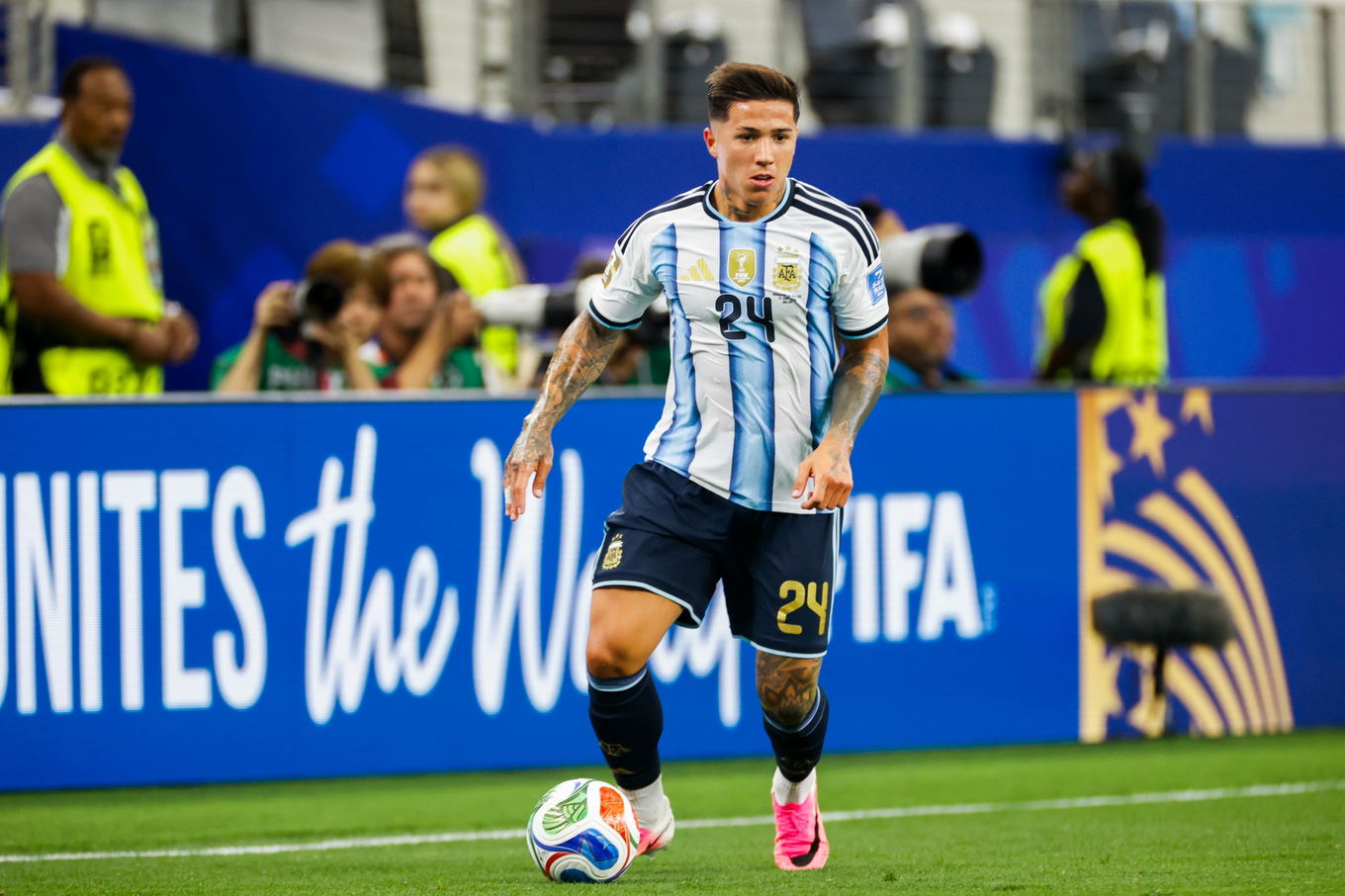
The comeback element matters just as much. Belgium and Argentina both fought back from two goals down late on, the first time since 1970 that teams have overturned that kind of deficit more than once in the same tournament. Those are the sort of results people remember years later because they change how a tournament feels in real time. Leads have not looked safe, and reputations have not protected anyone.
BBC Sport's statistical snapshot made the historical point clearly: "From 96 of 104 matches, we have seen 280 goals. That is 2.92 goals per game, the best since 1970 in Mexico when 95 goals were scored in 32 games, an average of 2.97 per match."
That still does not settle the "best ever" argument, because no tournament can win that on numbers alone. There is taste involved, there is era bias, and there is always a tendency to overrate the event happening right now. Still, the current case is stronger than that usual mid-tournament rush. The volume of goals, the timing of them and the comeback count all point in the same direction.
Chaos beyond the favourites
Part of the appeal has been that the tournament has not belonged only to the biggest sides. Cape Verde Islands, the smallest nation ever to qualify for a World Cup, drew with Spain, Uruguay and Saudi Arabia. In a competition that has produced big-name scorers and heavy expectation, that kind of resistance helps stop the whole thing becoming too predictable.
Even the duller-looking results have added something unusual. There have been eight goalless draws, a World Cup record. Normally that would weaken the entertainment case, but here it mostly underlines how varied the tournament has been. Not every dramatic game needs to finish 4-3. Tension can come from stalemates, underdog survival and knockout football stretching into the final minutes.
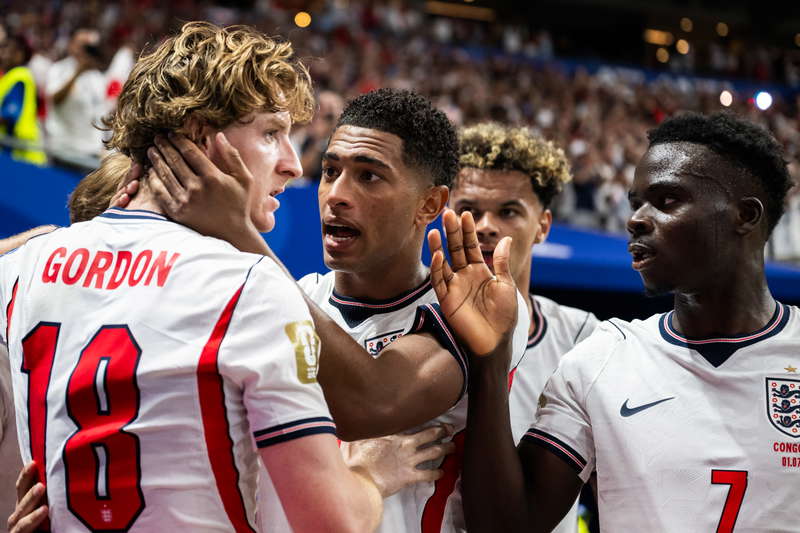
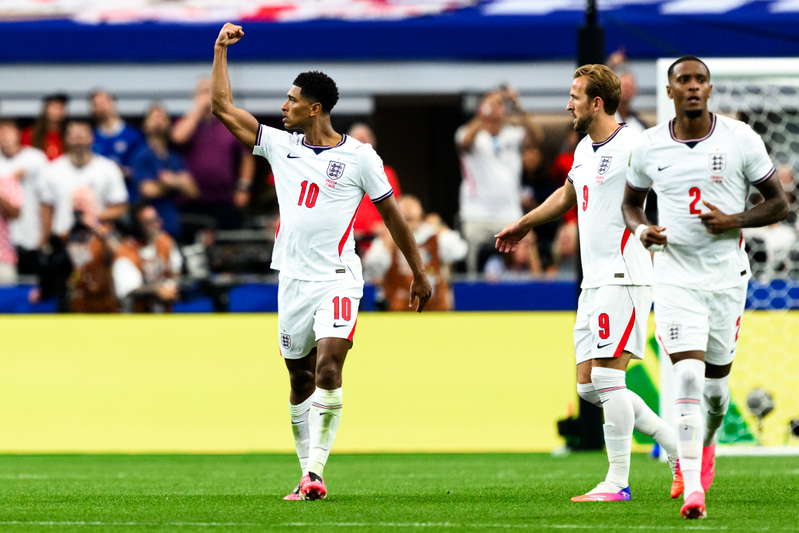
There is also enough evidence that the bigger teams have been dragged into messy, stressful games rather than controlling the tournament from start to finish. England remain in a Golden Boot conversation through Harry Kane's six goals, but the broader feel of this World Cup has been instability rather than hierarchy. Even when favourites have got through, it has often looked harder than expected.
The case off the pitch is strong too
A tournament can have great matches and still feel flat if the event itself lacks weight. That has not been the problem here. Fifa says 99.7% of available seats have been filled, with average attendance at just over 65,000 per match. Pre-tournament concerns about atmosphere and empty seats have not held up against those figures.
The star layer is obvious as well. Lionel Messi leads the Golden Boot race with eight goals, Kylian Mbappé and Erling Haaland have seven apiece, and Kane has six. It is the first time three players have scored seven or more at the same tournament, which gives the scoring charts a proper marquee feel rather than a one-man run.
You can still push back on the grand claim. "Best ever" is opinion, not fact, and it is safer to treat it as a live argument than a finished verdict. But World Cup 2026 has already built a stronger case than most tournaments manage by this stage: elite scoring numbers, record late winners, comeback games that stand out historically, outsider disruption and crowds that look exactly right for an event of this scale.
The tournament has eight matches left to play, and it has already reached 280 goals.
FAQ
Is World Cup 2026 really one of the best World Cups ever?
It is too subjective to call it definitively the best ever, but the case is strong. The tournament has produced 280 goals in 96 matches, a rate of 2.92 per game, the best since 1970. It has also delivered 10 90th-minute winning goals, eight knockout ties decided after the 85th minute and multiple major comeback wins.
Why has World Cup 2026 felt so dramatic?
The drama is coming from late goals and comeback results as much as the overall scoring rate. Eight of the 24 knockout ties have had a winning goal after the 85th minute, and the tournament has already produced 10 90th-minute winning goals. Belgium and Argentina both came back from two goals down late on, something not seen more than once in a World Cup since 1970.
Are there any stats that make World Cup 2026 stand out historically?
Yes. The tournament is running at 2.92 goals per game from 280 goals in 96 matches, the best rate since the 1970 World Cup in Mexico, which averaged 2.97. It also has a World Cup-record eight goalless draws, while Fifa says 99.7% of available seats have been filled.
How have underdogs and star players shaped World Cup 2026?
Both ends of the tournament have added to the appeal. Cape Verde Islands, the smallest nation to qualify for a World Cup, drew with Spain, Uruguay and Saudi Arabia. At the top end, Lionel Messi has eight goals, Kylian Mbappé and Erling Haaland have seven each, and Harry Kane has six in a crowded Golden Boot race.
Written by Jack Mercer with AI-assisted research, cross-checked against 1 outlet. How we work →