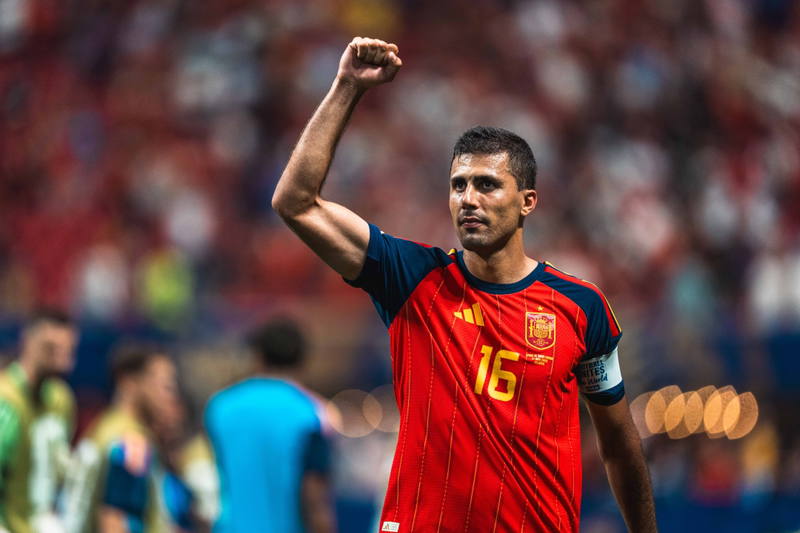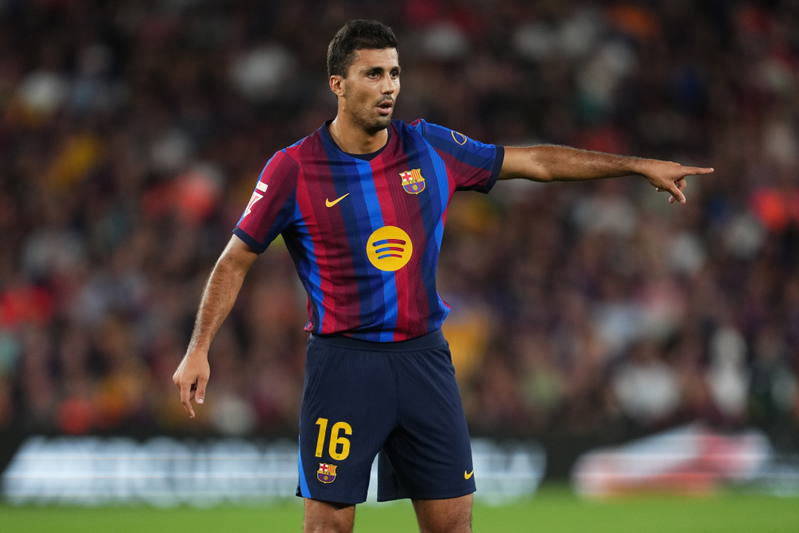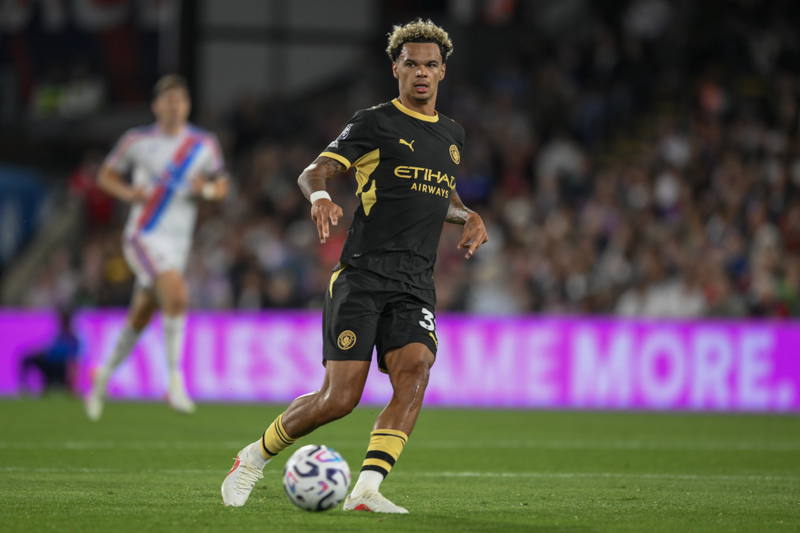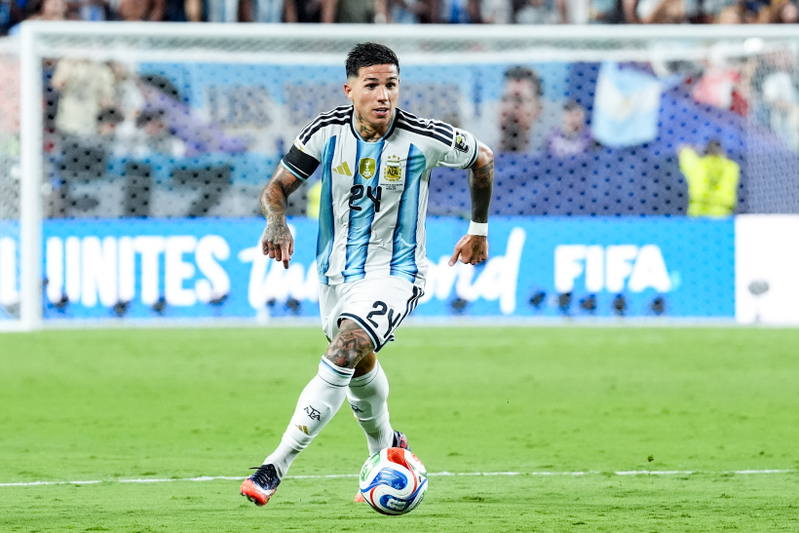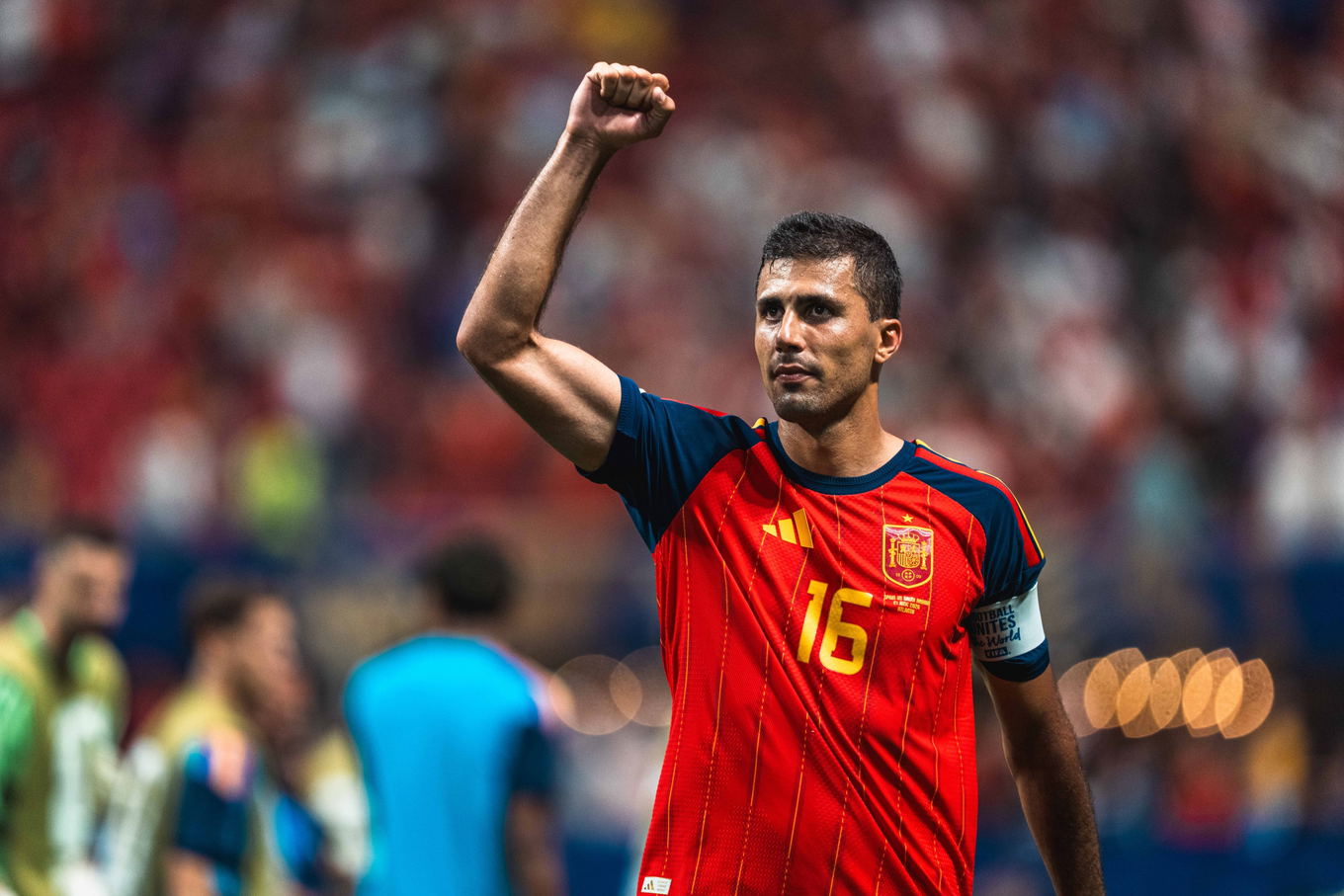
The Premier League season begins on 21 August, just 33 days after the World Cup final. That leaves Tottenham, Arsenal and Manchester City trying to reset quickly after a tournament that kept several of their players deep into July, while Rodri's workload and recent surgery add another layer of concern for Manchester City.
Spurs and City are the clearest cases
Four Tottenham players were still involved on the final weekend of the tournament, which is the sort of timing problem clubs hate. Cristian Romero and new signing Marcos Senesi reached the final with Argentina, Pedro Porro helped Spain lift the trophy, and Djed Spence stayed with England until the third-place play-off on 18 July.
That gives Spurs roughly two weeks to reintegrate late returners before they open at Brentford on 22 August. Manchester City have their own issue in Rodri, who played 726 minutes in Spain's World Cup victory and recently had back surgery. He is expected to miss a short period at the start of the season.
Arsenal and the wider workload problem
Arsenal also had more players than any other Premier League club reach the latter stages of the competition, and that is before getting to the heavy individual loads. Emiliano Martinez played all 810 minutes of Argentina's run to the final, while Alexis Mac Allister reached 749 minutes and ranked second among Premier League players.
Rodri was one of the clearest examples of the strain elite players carried. He warned on BBC that footballers were "close" to striking because of workload concerns, and Mikel Arteta has already voiced concerns about the growing number of matches in the calendar. The point is not that every club is in crisis, but that the clubs with the deepest World Cup involvement are starting the season with less recovery time than they would want.
The practical picture is straightforward: less rest, less training time, and more pressure on medical staff to get players ready without rushing them. Tottenham's schedule is the tightest, City's concern is concentrated around Rodri, and Arsenal's late tournament exposure means their margin for a smooth start is thin. The season starts on 21 August, and the clubs most affected by the tournament have not had much time to pretend otherwise.
Written by Jack Mercer with AI-assisted research, cross-checked against 1 outlet. How we work →