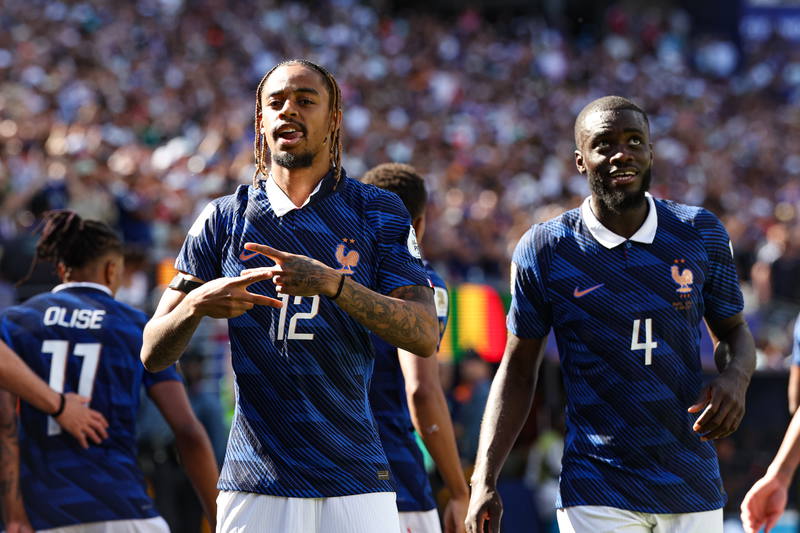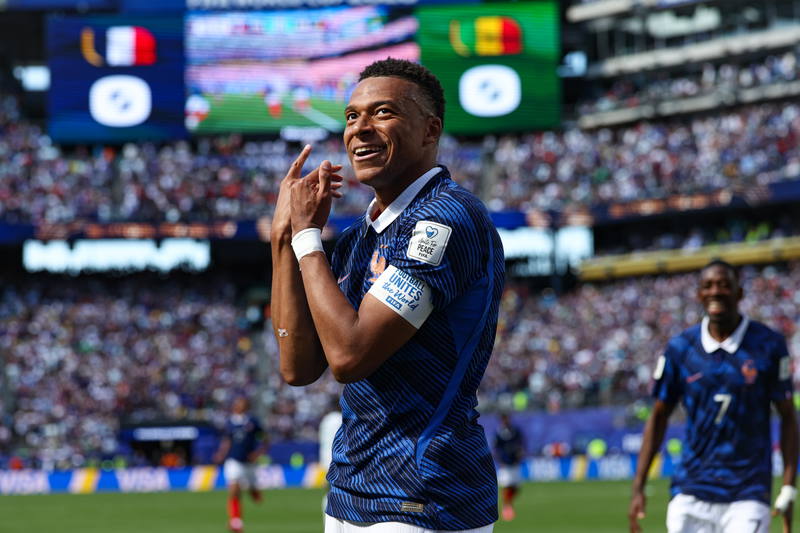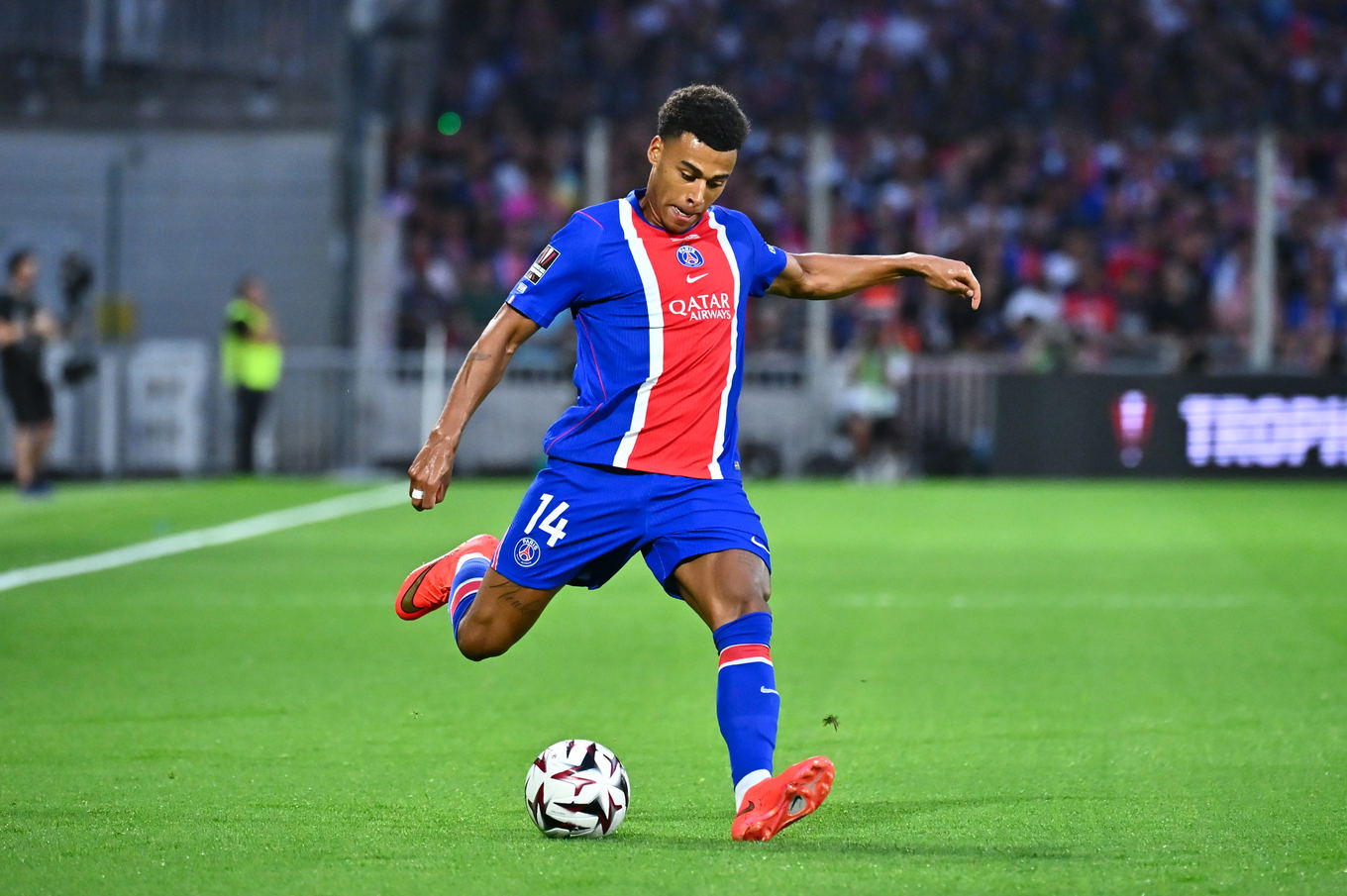
Seven pairs of brothers are involved at this World Cup, and the most intriguing potential meeting sits with Désiré Doué and Guéla Doué. They could face each other in the last 32 in Arlington, Texas, on 30 June if France and Ivory Coast both finish runners-up in their groups. Ivory Coast already beat France 2-1 in a pre-World Cup friendly on 4 June.
The Doué bond and the possible meeting
Désiré has spoken about how close the pair are. “We tell each other everything and have no secrets,” he said, while also describing Guéla as “such a massive support for me in my daily life”. Guéla, for his part, said he was disappointed not to play against his brother, adding: “It's a shame I didn't get to play against [my brother], as this was our first France-Ivory Coast match, but I'm happy, and he isn't too fed up”.
The idea of a sibling duel would not be new to the World Cup. Jerome Boateng faced Kevin Prince Boateng in 2010 and they were on opposite sides again in Brazil four years later. But the Doués are the clearest current example because the path is there in this tournament, not just in the archive.
The sibling story reaches beyond France and Ivory Coast
The World Cup is not only about the Doués. Laros Duarte said of his brotherly moment with Cape Verde: “We saw our parents cry”, and Juninho Bacuna described the childhood dream of playing together on one pitch. Didier Deschamps also acknowledged the family link, saying: “They have this family bond. This does not mean that it changes anything, but I will be dealing with two players who have this connection”.
There is real form behind Désiré’s case as well. He has a 7.1 average across his last five matches, with one goal and one assist in that spell, while Paris Saint Germain sit top of Ligue 1. Guéla has logged 436 minutes across his last five and Strasbourg are eighth. The sibling storyline is broader than one potential knockout tie, but the Doués are the pair most likely to put it on the pitch in Arlington.
Written by Sam Whitfield with AI-assisted research, cross-checked against 1 outlet. How we work →