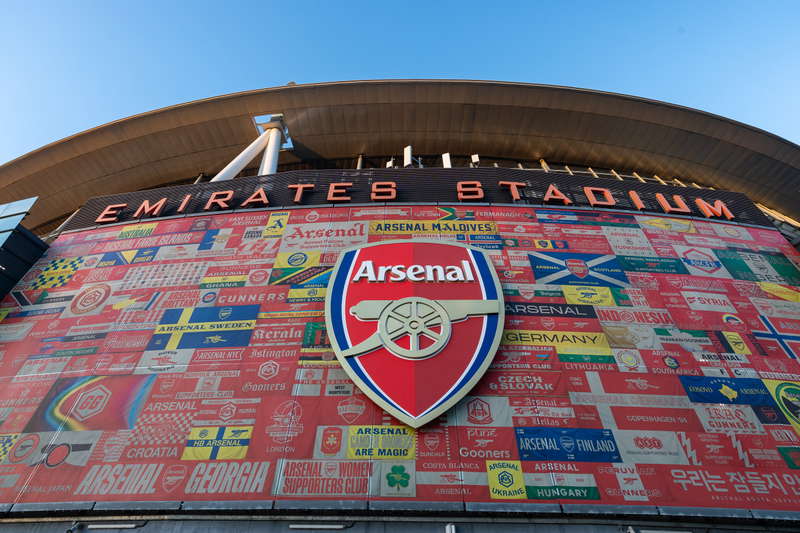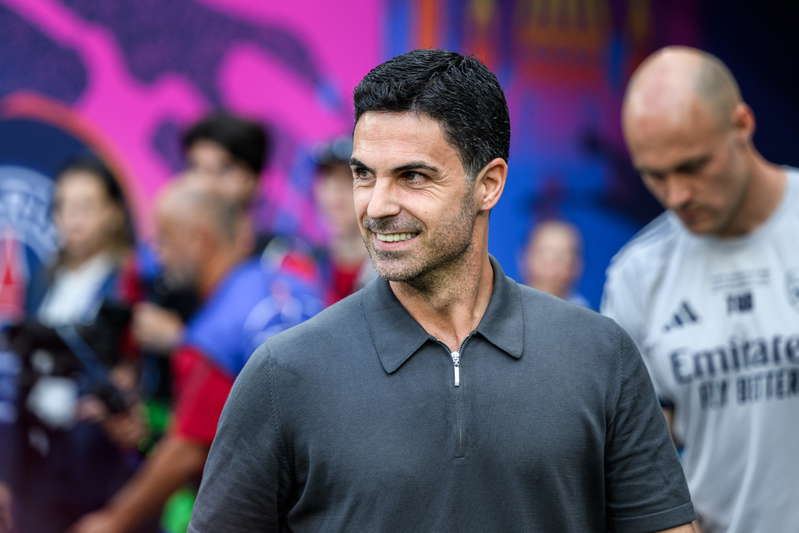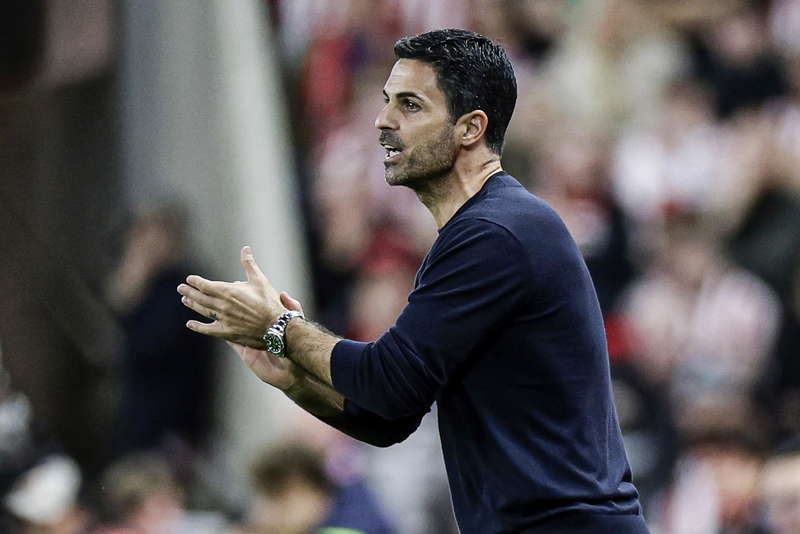


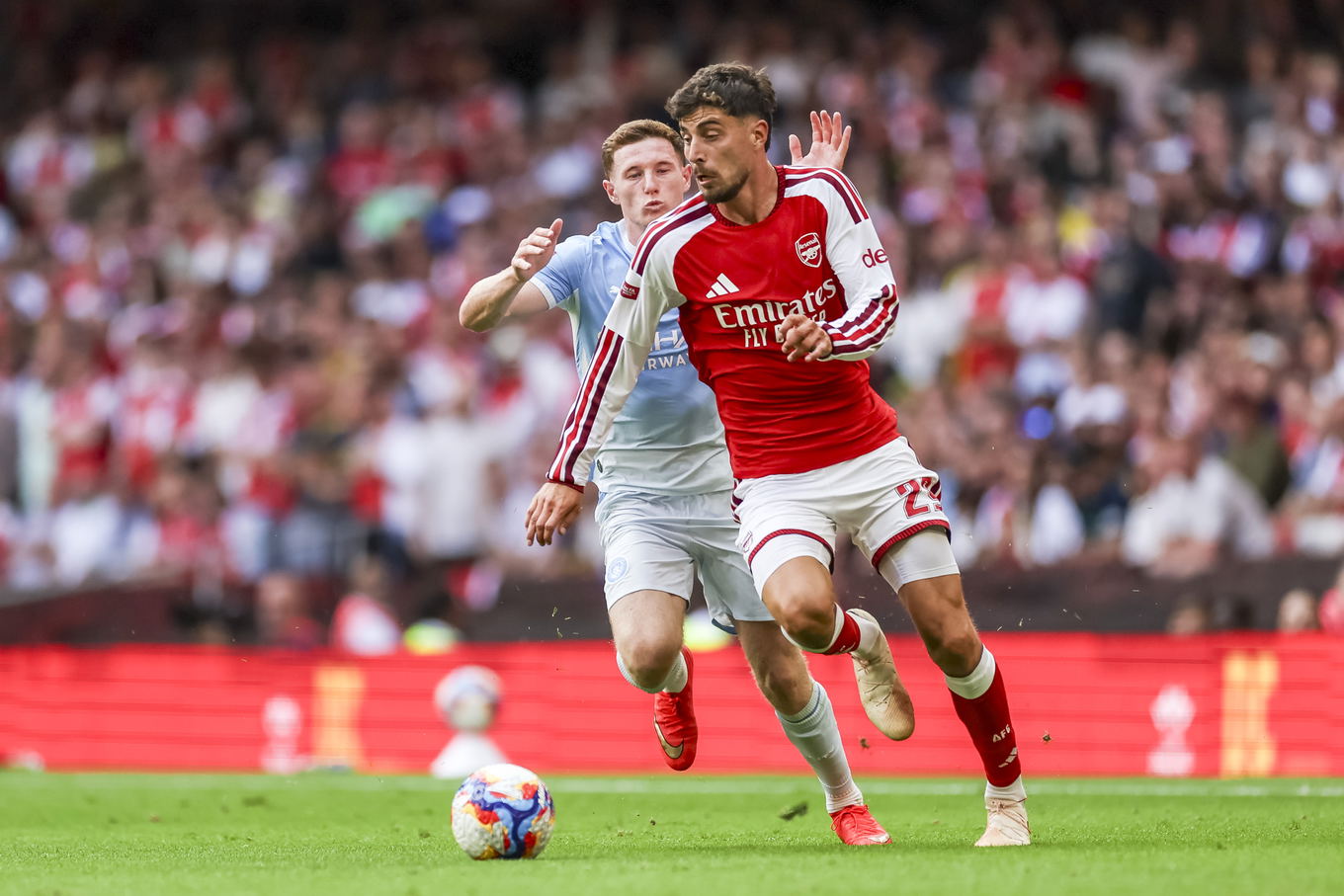
Arsenal left Anfield with a 1-0 win over Liverpool, moved three points clear at the top of the Premier League and ended a league drought at the ground that had stretched back to September 2012. Kai Havertz scored the only goal in the 16th minute, and the result felt deserved because Arsenal controlled the game without needing a flood of chances.
Havertz and Rice gave Arsenal the lead they needed
The decisive moment came early in Liverpool vs Arsenal. Havertz finished in the 16th minute after a sweeping Arsenal move, with Declan Rice creating the goal through a cross after an overlapping run.
There was a Liverpool mistake in it too. BBC Sport's match reporter wrote: "Alisson: It was his error - a poor pass out - that led to Havertz giving Arsenal the lead." That part of the move matters, but it does not explain the whole night on its own.
Arsenal still had to spot the opening, attack it quickly and take the chance. Havertz did that, and his goal took him to three league goals in nine Premier League appearances this season. Rice's influence was heavy throughout, reflected in his 7.7 match rating, and it was his burst forward that really shifted the moment in Arsenal's favour.
Arsenal's defending made the difference
This was not a game Arsenal won with volume. They won it with control, and then with resistance.
Standard Sport's Matt Verri described it as: "Stunning rearguard effort finally ends 14-year hoodoo for the Gunners". That reads about right. Arsenal's back line gave Liverpool very little room to turn pressure into anything decisive, and the visitors looked more settled than the home side once they were ahead.
Ezri Konsa was one of the standout defenders and won all seven of his ground duels. David Raya also had the kind of evening a title challenger needs from its goalkeeper, calm rather than frantic. Arsenal did not spend the night hanging on by luck. They defended with discipline and looked prepared for the game state once they had the lead.
That is why the mistake-versus-masterclass argument leans Arsenal's way. Alisson gave them the opening, but plenty of teams score first at Anfield and fail to finish the job. Arsenal did finish it, and that is the more convincing part of the result.
The table and the Anfield run
The broader significance is obvious enough without overstating it. Arsenal are now three points clear at the top of the Premier League, and they arrived at Anfield already in strong domestic form with four wins from their previous five league matches.
Winning there in the league for the first time since September 2012 adds weight to the result because this ground has so often exposed nerves, loose defending or a lack of control. Arsenal had none of that here. They got the goal, protected it properly and left with a 1-0 win that changes the table as much as the mood.
Havertz's 16th-minute finish will get the headline, but Arsenal's authority after going ahead was the bigger takeaway from the night at Anfield.
FAQ
Why was Arsenal's win at Anfield such a big result?
It was big for two reasons. Arsenal won 1-0, moved three points clear at the top of the Premier League, and ended their league wait for a win at Anfield that had stretched back to September 2012. Doing it with a disciplined defensive display made it even more significant.
How did Kai Havertz score against Liverpool?
Havertz scored in the 16th minute after a sweeping Arsenal move. Declan Rice supplied the cross after an overlapping run, and Liverpool were also hurt by Alisson's poor pass out in the build-up. Arsenal still had to finish the move and protect the lead for the rest of the game.
Was Arsenal's win more about Liverpool's mistake or Arsenal's defending?
Both mattered, but Arsenal's defending deserves most of the credit. Alisson's poor pass helped create the opening for Havertz's goal, yet Arsenal still had to manage the game at Anfield. Their back line did that, with Ezri Konsa winning all seven of his ground duels in a standout display.
Written by Jack Mercer with AI-assisted research, cross-checked against 2 outlets. How we work →