

The Asian Cup postponement has given FC Porto, Sporting CP and Benfica more time with In-Beom Hwang, Nestory Irankunda and Alessandro Circati than they expected to have. The tournament was initially set to begin on 7 January 2027 in Saudi Arabia, but it now starts on 23 December 2027 and runs until 21 January 2028. That is a neat win for clubs that were facing an early-January hit to their squads.
The new schedule for the Asian Cup
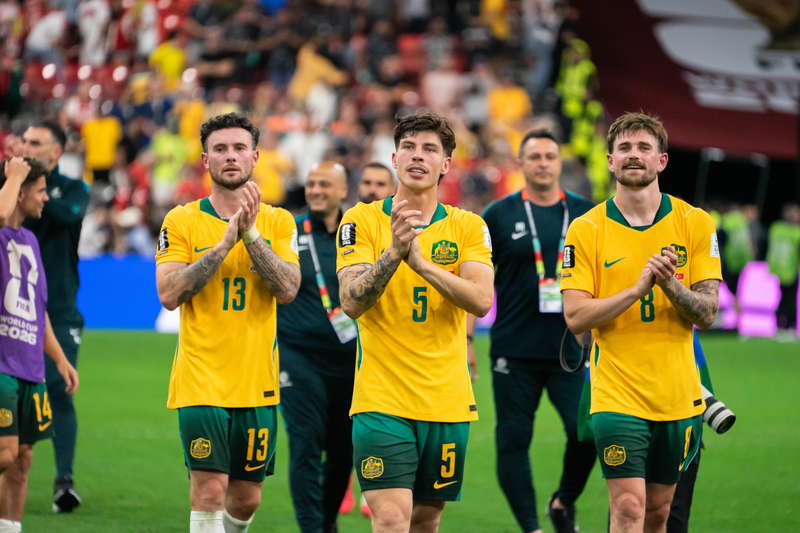
The AFC moved the competition after citing tension in the Middle East, security concerns and the logistical difficulties of staging the event. Australia and South Korea are already qualified, which keeps those national-team routes open for Irankunda, Circati and Hwang as the qualification picture develops.
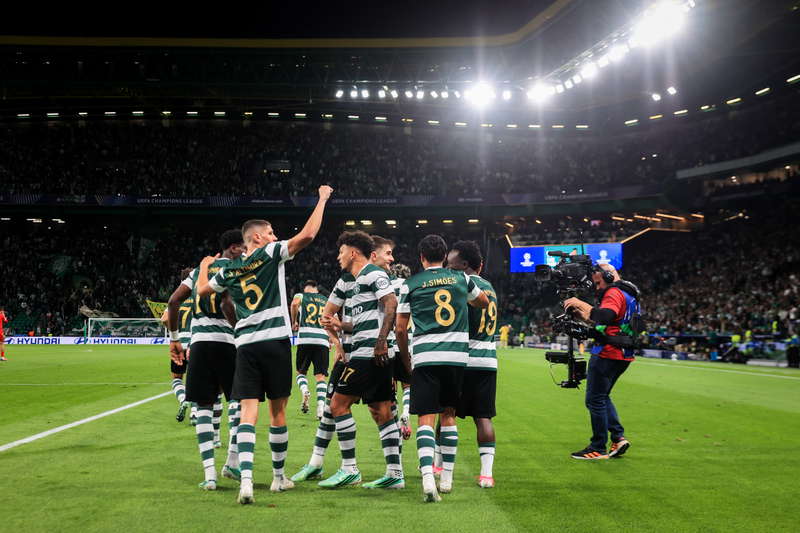
A Bola put the club angle plainly: instead of losing three options at the start of 2027, the Portuguese sides can keep counting on them. That is especially relevant because all three players are already playing real minutes in Portugal, not sitting on the edge of the squads.
Why the delay helps those three clubs
Hwang has 8 Primeira Liga appearances for Porto this season and has already added a goal. Irankunda also has 8 league appearances for Sporting, while Circati has 4 for Benfica. Those are not token cameos, and the postponement keeps each of them available through a winter period when depth usually gets tested.
The profiles are different, which is part of why the delay is useful for all three clubs. Hwang is already an established rotation option, Irankunda has made 10 appearances and started six in a row, and Circati has been eased in more carefully with 9 appearances and five starts. A Bola also noted that Irankunda has 21 caps and Circati 19, so neither national-team situation is theoretical.
For Porto, Sporting and Benfica, the practical effect is simple enough. They get to go deeper into the 2027 calendar with three players still available, and the Asian Cup will not pull them away until late December 2027.
Written by Sam Whitfield with AI-assisted research, cross-checked against 1 outlet. How we work →