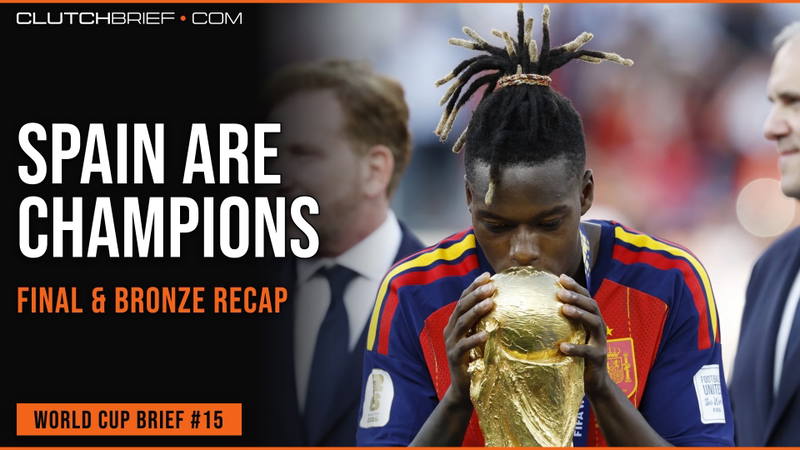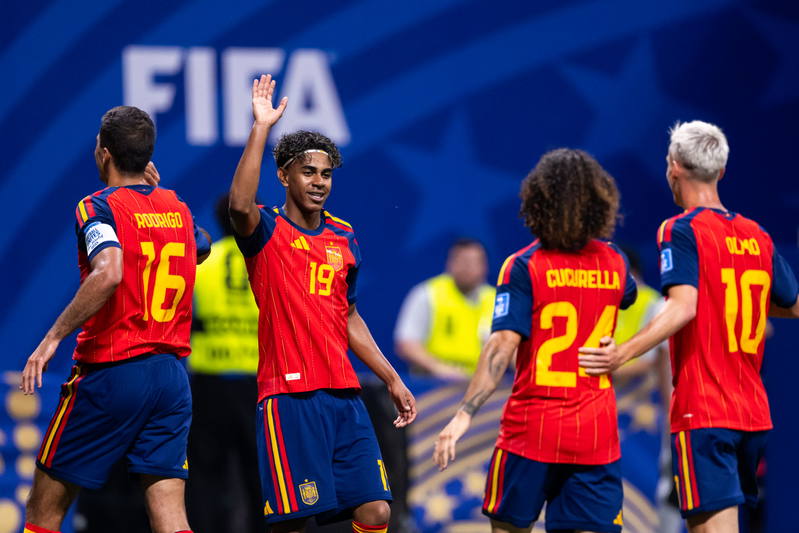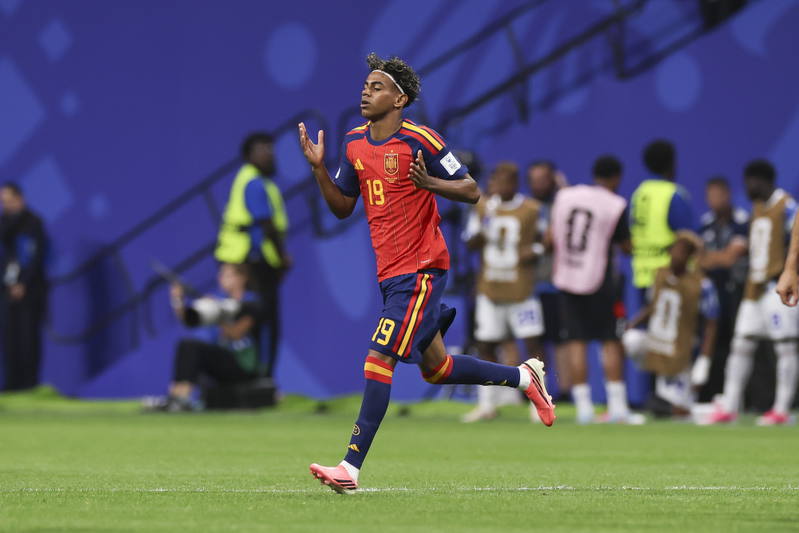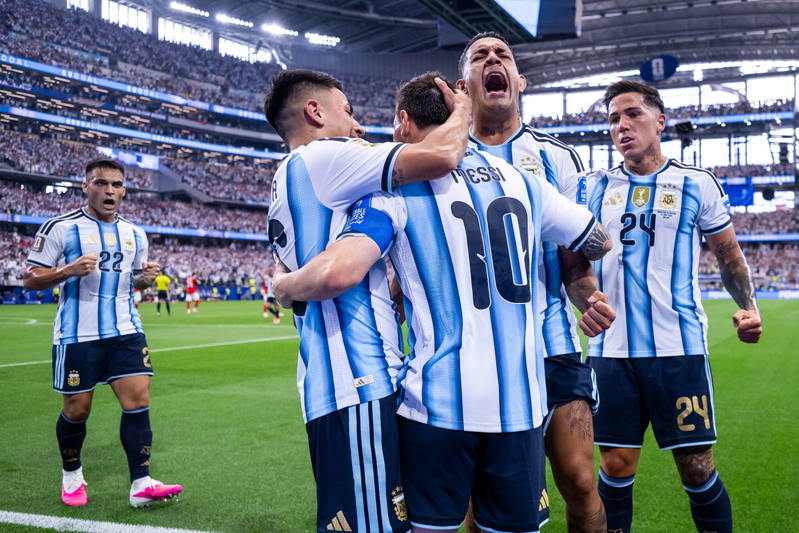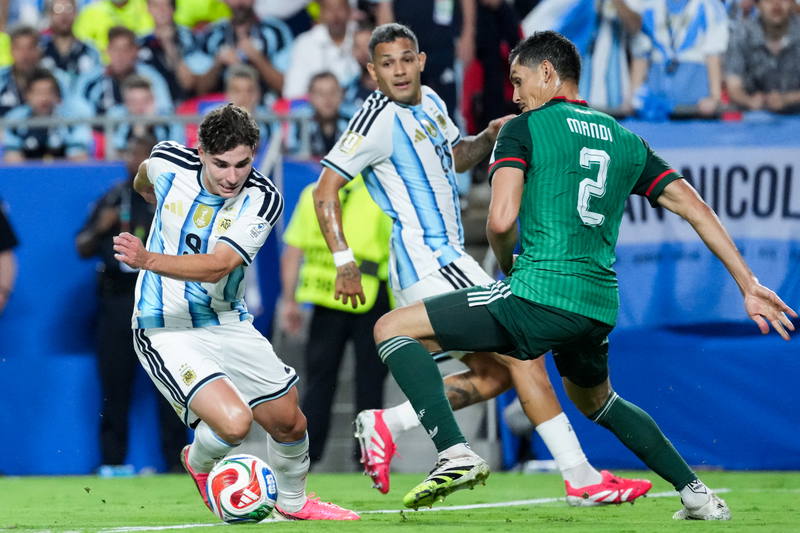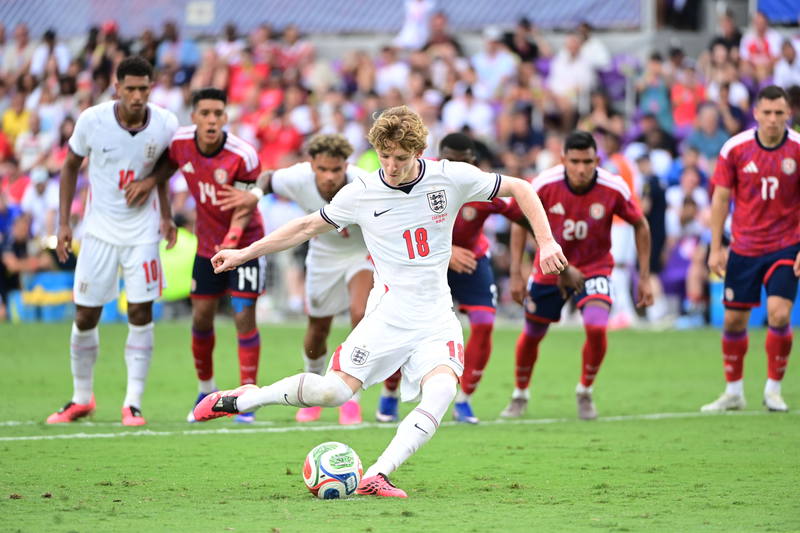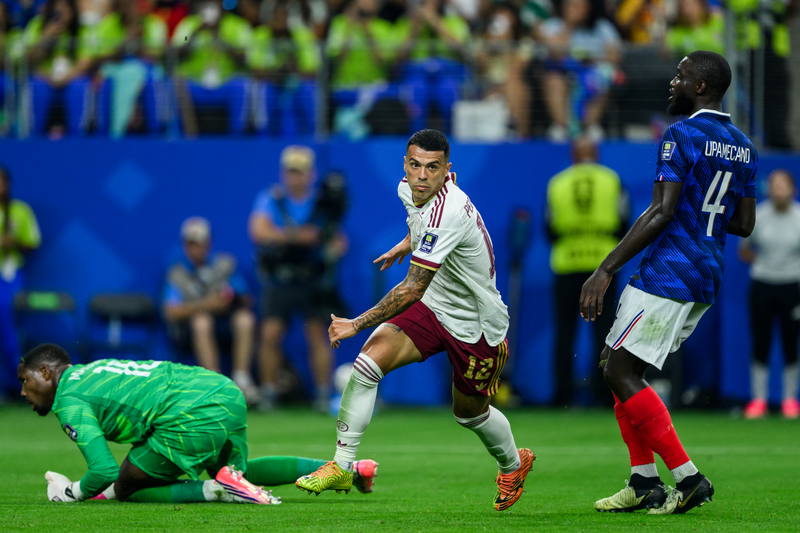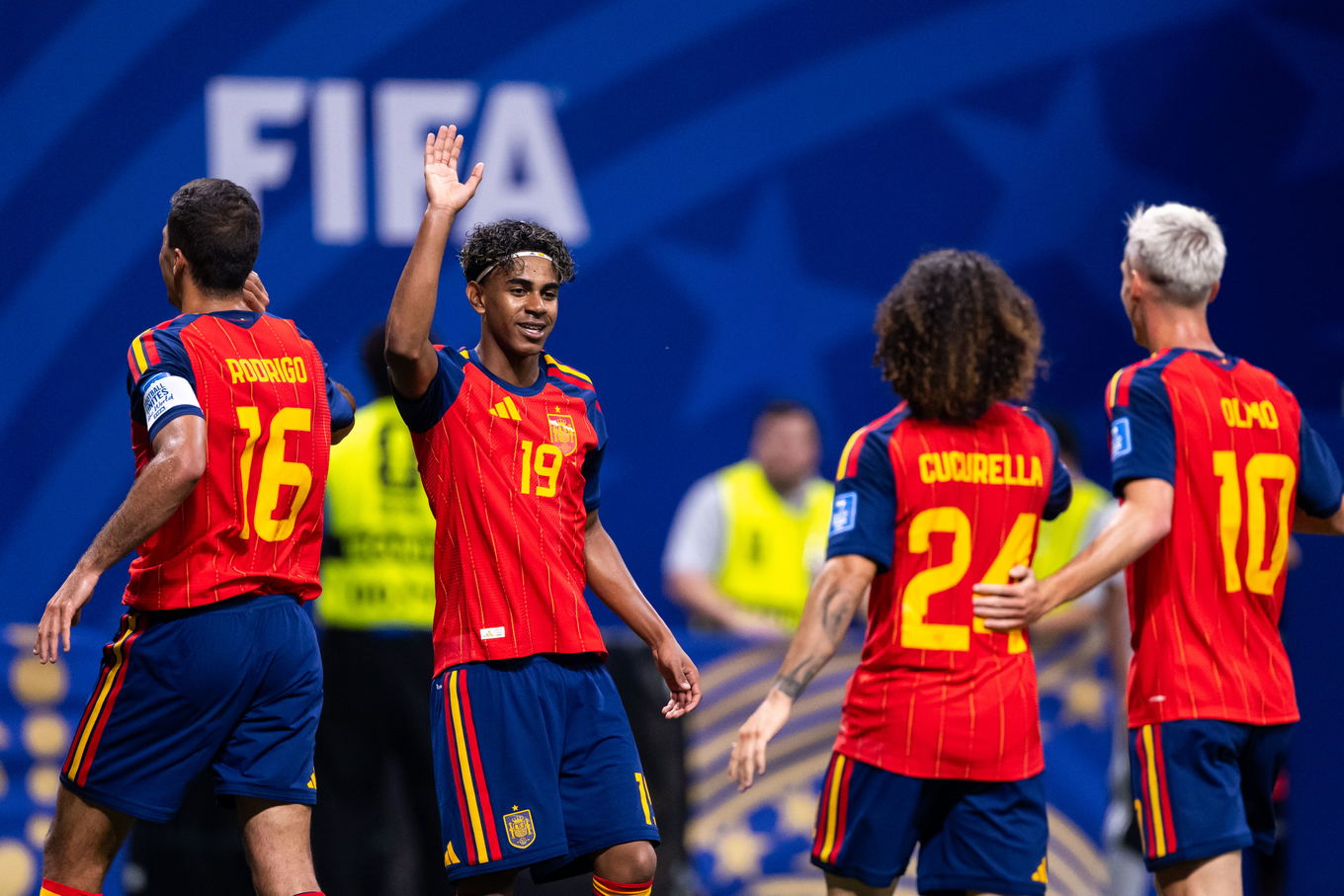
Earlier this week we reported on Spain's defensive superiority going into the 2026 World Cup final. Spain entered with 63.8% possession average, only 2.1 expected goals conceded across seven matches, and six clean sheets intact. What unfolded in the final was the theoretical made tangible: Spain finished with 65% possession, 20 shots, and 12 on target. Argentina managed 2 shots, neither on target. In the 106th minute, Ferran Torres finished the moment that crowned Barcelona as the club behind world champions—eight of its players had featured in Spain's victory.
Spain's overwhelming control
Luis de la Fuente set Spain up to smother Argentina's counter-attacking structure. The visitors arrived with 19 tournament goals and a compact 4-4-2 defensive shape that had served them throughout the competition. Spain's 65% possession strangled the spaces Argentina needed to launch attacks. Emiliano Martínez produced 11 saves—an individually excellent performance—yet the gulf in expected goals (1.94 to 0.20) tells the truer story. When a team generates that volume of clear-cut chances, elite goalkeeping provides a respite, not a solution. Argentina left with 2 shots, zero on target.
Spain's midfield control was the foundation. Rodri, the tournament's standout midfielder, completed 106 passes and set the tempo that allowed the attack to flow. His positioning against Argentina's compact setup was decisive; every time the visitors pressed, Rodri's circulation found the open lane. This was possession with purpose: methodical circulation designed to create overloads and exploit Argentina's narrow defensive shape.
The wing-backs pressed consistently. Lamine Yamal, at 19 years old, completed 120 minutes and won 9 of 18 duels with 5 successful dribbles. For a teenager in a World Cup final, the composure was remarkable. Marc Cucurella, recently arrived at Real Madrid from Chelsea and playing all 120 minutes, provided defensive resilience and positioning that proved immediately valuable to his new employer. The system worked because every Barcelona-trained player understood the rhythm: circle the ball, find the open man, repeat until the structure breaks. For most of 120 minutes, it did not break.
Torres' decisive moment
Ferran Torres had featured in all eight of Spain's tournament matches but started the final on the bench. With the game tactically won in the opening hour, Luis de la Fuente introduced him in the 62nd minute alongside Pedri. The introduction shifted Spain's attacking patterns. Pedri's impact off the bench reflected his midfield precision: 57 completed passes from 61 attempted and 4 key passes that sharpened Spain's attacking combinations. It was subtle preparation for what came next.
Fifty-eight minutes after entering, Torres was positioned on the edge of Argentina's box when Nico Williams slid a pass across the goal-line. Torres controlled the ball with the composure of a player who had been waiting for this moment and finished past Emiliano Martínez. The goal came in the 106th minute. It was the only time Argentina conceded.
Torres' efficiency in limited minutes—1 goal from 2 shots on target—reflected Barcelona's clinical approach to the final: create systematically, finish when the chance arrives. In his post-match reflection, Torres captured the journey: "Things always come to those who deserve them most." For a player who had worked his way into the tournament through intelligent positioning and precise finishing, the World Cup was the reward.
Cubarsí's technical mastery at 19
Pau Cubarsí completed 121 of his 126 passes in the World Cup final. That 96% accuracy would be elite for an experienced centre-back facing a World Cup final. For a 19-year-old in his first major tournament, it was a generational statement. The Barcelona defender led all players in total touches with 139 and recorded 21 line-breaking passes, meaning his distribution did not just retain possession—it advanced Spain's shape, moved the ball into dangerous areas, and forced Argentina into reactive football.
At 19 years old, in a World Cup final against an accomplished opponent, Cubarsí did not simply avoid the occasion; he dictated it. His performance earned him the tournament's Best Young Player award, recognition that proved technical purity and defensive solidity need not contradict each other, even at football's highest level.
Barcelona's mark on global football
Barcelona fielded eight players in Spain's World Cup-winning squad—the exact number the club contributed to Spain's 2010 World Cup triumph. Ferran Torres, Pau Cubarsí, Pedri, Lamine Yamal, Dani Olmo, Gavi, Joan García, and Eric García each played their part in the victory. One club providing one-third of a World Cup-winning team reflects the calibre of Barcelona's academy and the sustained influence of Catalan football on the international stage.
The paradox is striking: even as Real Madrid and Paris Saint Germain pursue Barcelona's elite talents—Marc Cucurella completed his €60 million transfer from Chelsea to Real Madrid just days before the final—the Blaugrana's imprint on the world's biggest competition remains indelible. Eight players capable of dominating a World Cup final is not coincidence; it is a statement about the depth and quality of the Barcelona system.
For Barcelona, this World Cup belonged to Spain. The Camp Nou's influence had just claimed the sport's highest prize.
FAQ
Who scored the winning goal in the Spain vs Argentina World Cup final?
Ferran Torres scored in the 106th minute after entering as a substitute in the 62nd minute. He finished Nico Williams' pass to secure Spain's 1-0 victory and the World Cup title.
How many Barcelona players won the 2026 World Cup with Spain?
Eight Barcelona players won the World Cup with Spain: Ferran Torres, Pau Cubarsí, Pedri, Lamine Yamal, Dani Olmo, Gavi, Joan García, and Eric García. This matches exactly the eight Barcelona players who won Spain's previous World Cup in 2010.
What was Pau Cubarsí's passing accuracy in the World Cup final?
Pau Cubarsí completed 121 of 126 passes for 96% accuracy at age 19. He led all players with 139 touches and recorded 21 line-breaking passes, earning the tournament's Best Young Player award.
What were Spain's possession and shot stats in the final?
Spain dominated with 65% possession, 20 shots, and 12 on target. Argentina managed only 2 shots, neither on target. Spain's expected goals advantage was 1.94 to 0.20, showing the gulf in quality of chances created.
Did Barcelona players win the World Cup before 2026?
Yes. Barcelona contributed eight players to Spain's 2010 World Cup victory. The 2026 final saw Barcelona provide the exact same number—a historical echo of the club's influence on international football.
Written by Daniel Hartley with AI-assisted research, cross-checked against 4 outlets. How we work →