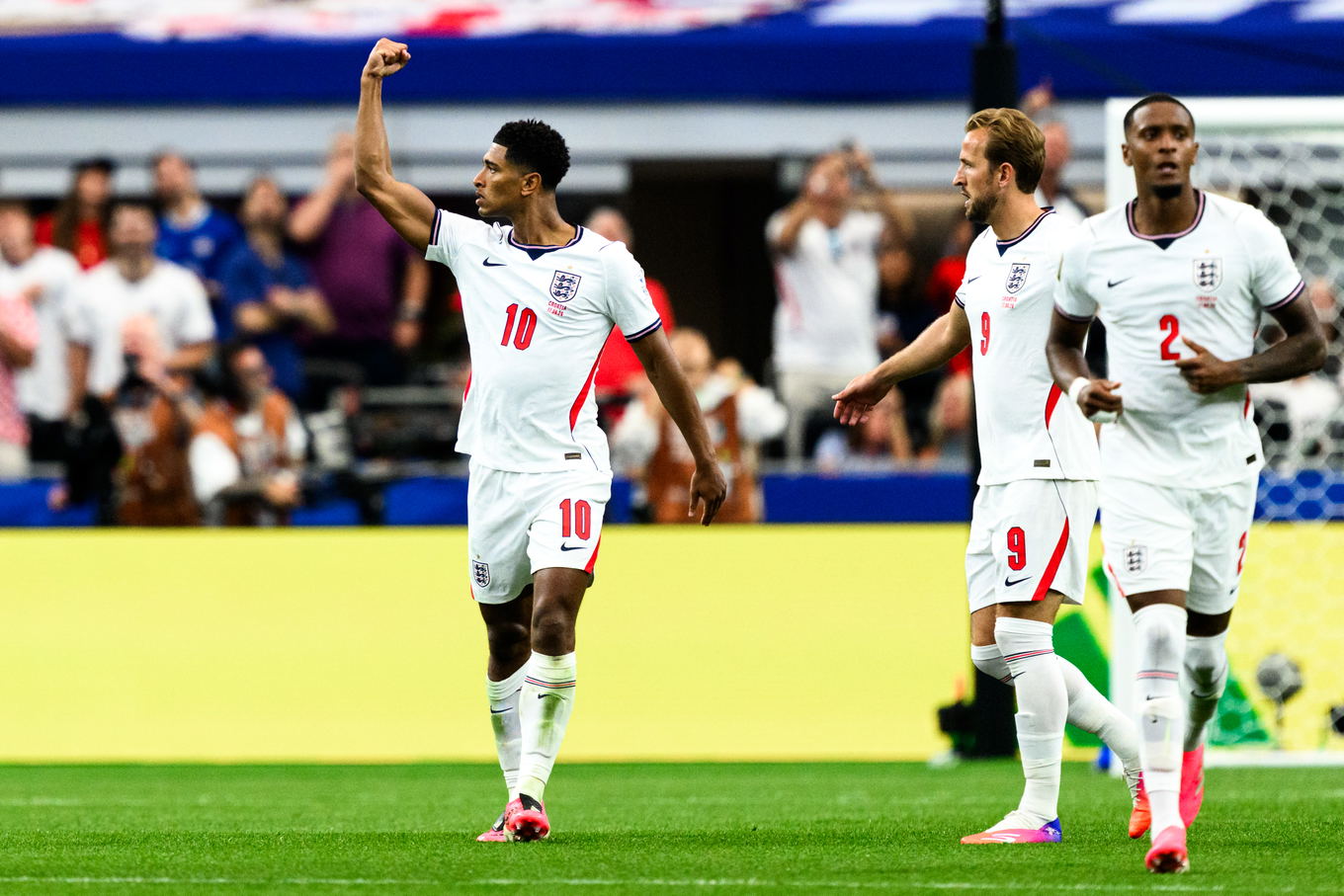
"It makes you wonder whether the authorities at the European and global level have something against us," Prime Minister Andy Burnham said in questioning FIFA and UEFA's handling of World Cup hosting decisions.
His concern is backed by concrete evidence. In 2010, England's bid to host the 2018 World Cup received just 2 votes from FIFA's 22-member executive committee. That tally stunned English football. The result marked the start of a 60-year hosting drought. The nation last hosted in 1966.
Burnham framed the exclusion in terms of England's place in football history. "The country that invented the game, you know, you'd think we would have had a bit more of that attention," he said, pointing to England's foundational role in establishing the sport globally.
England's competitive case
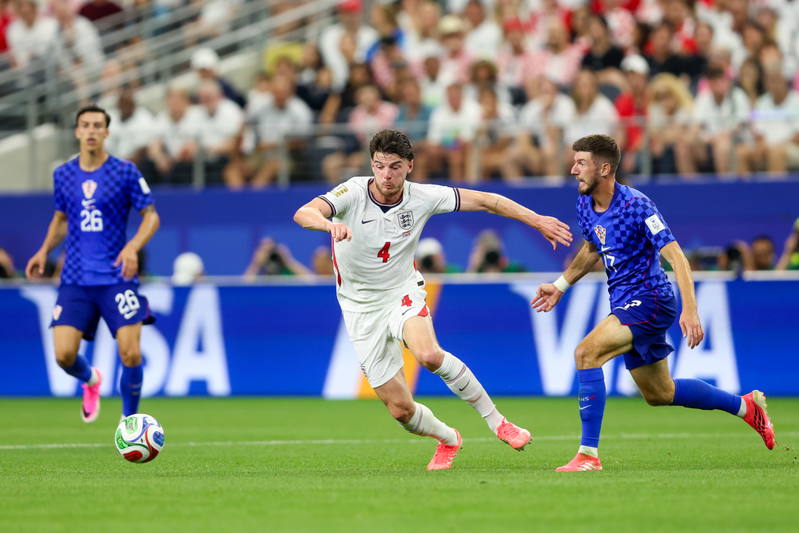
The hosting criticism gains force when recent World Cup form is considered. England has won 4 of its last 5 matches, including a dominant 6-4 victory over France alongside wins against Mexico, Congo DR, and Panama. That record places the team among the tournament's most competitive performers.
The France result alone demonstrates England's capability at the elite level. A 6-4 scoreline ranks among the tournament's highest-scoring performances. Even in the sole recent defeat, a 1-2 loss to Argentina, England competed closely against one of the world's strongest teams.
Burnham's allegation extends beyond hosting allocation to FIFA's governance structure. "Let's be honest, some of the practices within football haven't supported even-handed decision-making," he said, alluding to recent scandals under President Gianni Infantino. His failed scheme to privatize stakes in the World Cup drew widespread backlash, adding fuel to questions about the organization's fitness to allocate hosting rights fairly.
The gender hosting gap underscores the inconsistency. While England remains excluded from the men's competition, the UK is confirmed to host the women's World Cup in 2035. Burnham's comments implicitly highlight this disparity, suggesting hosting allocation does not follow a consistent metric.
On Infantino's leadership, Burnham was unsparing. "I do not believe that he is the right man to lead football forward on the world stage," he said.
A 60-year drought without a men's World Cup since 1966 leaves England isolated among football's traditional powers. The 2-vote result in 2010 was humiliating by any measure. That no men's hosting opportunity has emerged for England in the 16 years since raises legitimate questions about FIFA's decision-making processes and whether Burnham's concerns carry weight.
Written by Jack Mercer with AI-assisted research, cross-checked against 1 outlet. How we work →