

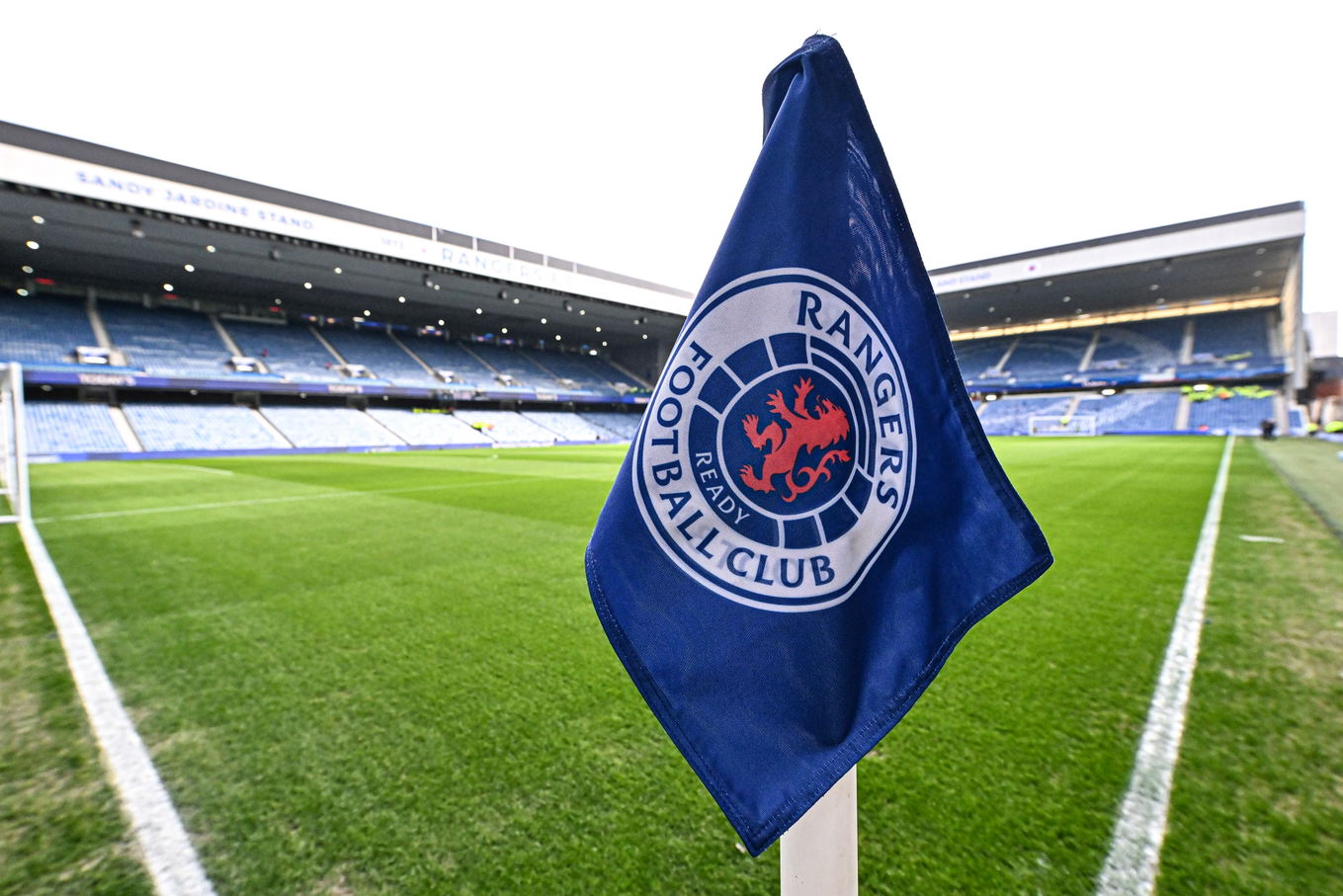
"Rangers were targeted. We could still be at the club today if those two factors had not hit us." Sir David Murray used a new interview to revisit the Rangers tax case, arguing that HMRC penalties and the collapse of the Bank of Scotland combined to leave the club with no way out. He also said Rangers were building again after three titles in a row when the tax bill began to rise.
Murray's version of the collapse
Murray's defence leans heavily on timing. He sold his majority share in Rangers to Craig Whyte for £1 in 2011, and the club went into liquidation in 2012 over a separate £10million tax debt during Whyte's brief tenure. The EBT scheme used from 2001 to 2010 had already drawn HMRC's attention, and the case was finally settled in HMRC's favour in the Supreme Court in 2017.
He says the penalties pushed the bill from an initial HMRC claim of £85million to about £130million, but the same discussion also includes his line that "the final figure was £33million" and that Rangers did not need to go bust. Both figures sit inside the same dispute, which is why the exact total still depends on what stage of the case you are talking about.
The scale of the tax dispute
The numbers around the saga remain striking. Liquidators BDO later revealed an initial HMRC claim of £73million for Rangers' use of tax-avoiding Employee Benefit Trusts, and about half of that was interest and penalties. The final EBT debt for liquidated oldco Rangers was listed as £41.6million in 2024.
Murray also admitted, "But, yes, I probably made decisions that were vanity and not sanity." That matters because it sits alongside his wider attempt to shift the blame away from one simple cause. The tax case was huge, but his interview puts the focus on a wider chain of pressure that included the bank collapse, supporter pressure and his own judgment.
Rangers, meanwhile, are second in the 2026 Premiership, have 16 points from 7 league matches and are on a five-game winning run. That does not settle the argument over what happened under Murray, but it does show the club he is talking about is operating from a very different place now.
Written by Sam Whitfield with AI-assisted research, cross-checked against 1 outlet. How we work →