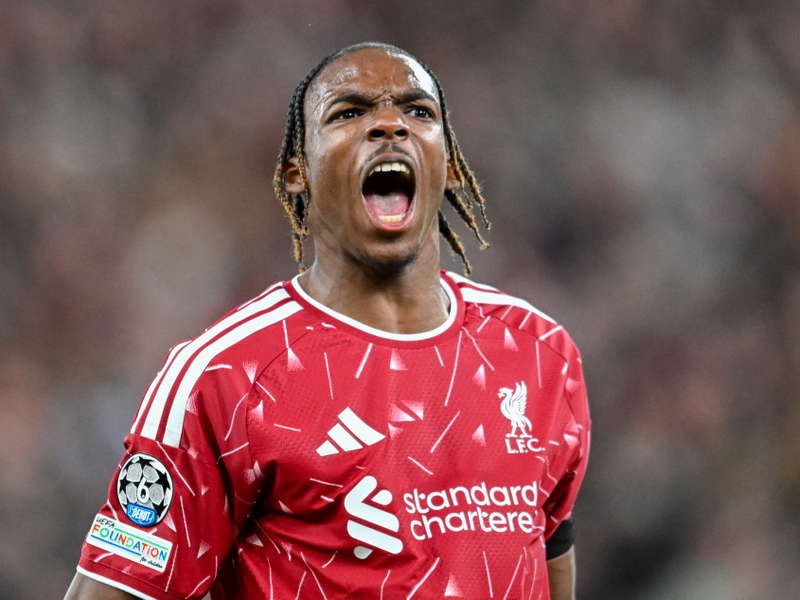


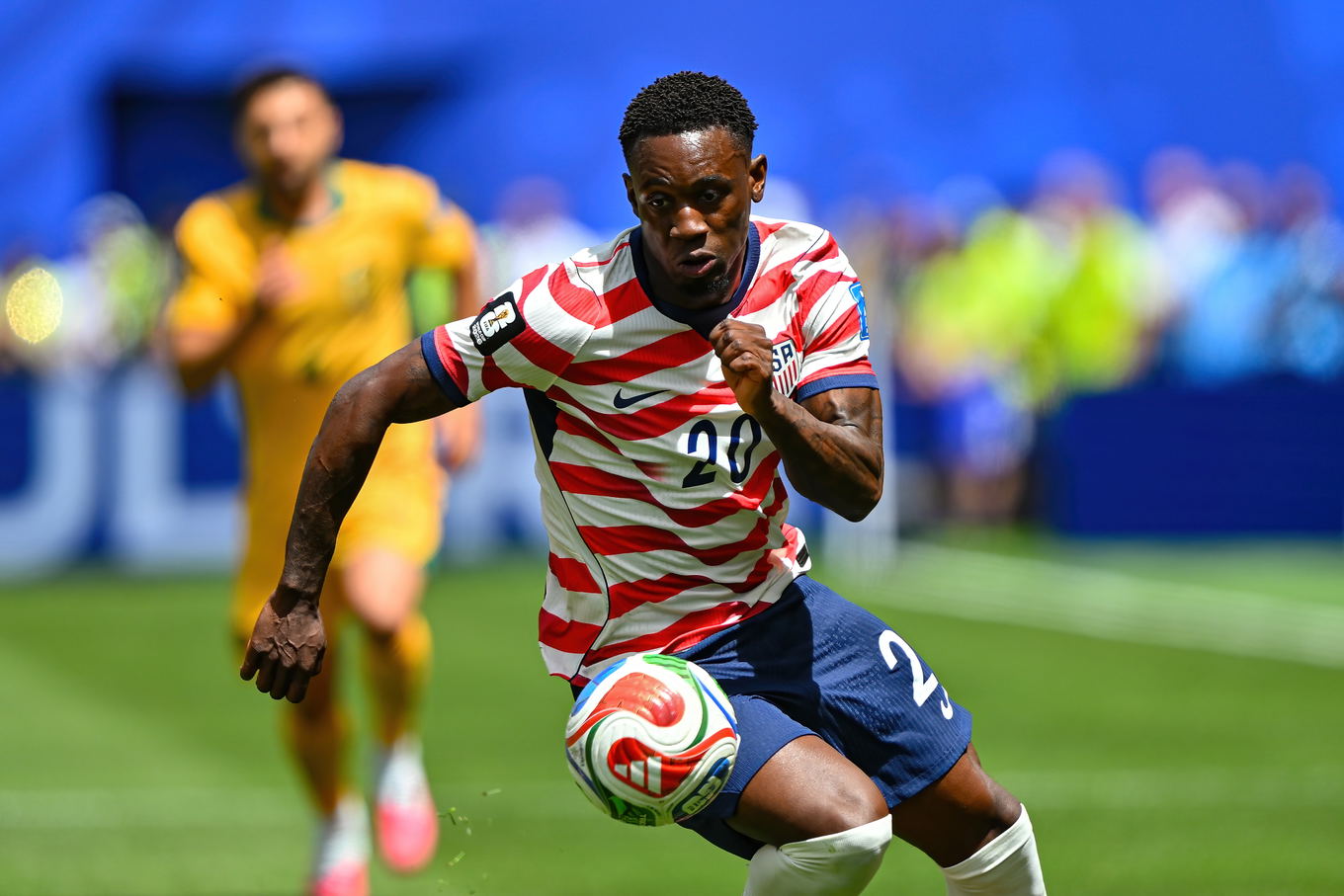
Charles De Ketelaere posted an 8.3 match rating with two goals and an assist in just 67 minutes. Folarin Balogun, at the center of a two-day red-card controversy, managed 10 passes across the full 92 and a 6.2 rating. Belgium's 4-1 World Cup round-of-16 elimination of USA was decided by that gulf in execution.
De Ketelaere's two-goal display
De Ketelaere's opening goal arrived in the 9th minute - a finish into the space between Tim Ream and Antonee Robinson. The pattern held 24 minutes later: another strike, this time a header off Leandro Trossard's cross, again from the same defensive gap. Belgium had found USA's structural weakness and returned to it methodically.
The goals were not accidents of fortune. De Ketelaere's positioning, his timing to peel away from defenders, and his decisiveness in front of goal reflected careful preparation. He took just three shots all match - all three on target, a 100% accuracy rate that encapsulates clinical execution. An 8.3 match rating, the highest on the pitch, underscored his dominance. By the 67th minute, when Belgium substituted him, the game was already beyond recovery.
Balogun's performance was marked by erasure. The USA forward, whose red-card suspension was overturned days before kickoff following Donald Trump's personal intervention with FIFA, completed just 10 passes in 92 minutes. His 6.2 rating fell below every Belgium outfield player. Duels offered no respite - he won 3 out of 8 contested (37.5%), overmatched in both space and athleticism.
The disparity was not subtle. A De Ketelaere who imposed himself on the match against a Balogun who seemed to fade into the background. One player orchestrated Belgium's attack; the other became a bystander to his own elimination.
USA's defensive frailty
USA's backline never found stability. Tim Ream (5.6 rating) won just 1 of 5 duels - a 20% success rate that exposed significant struggles at center-back. The greater damage came in the 57th minute when goalkeeper Matt Freese strayed 30 yards from his line. De Ketelaere intercepted and found Hans Vanaken with an empty net, making it 3-1.
That error crystallized a larger pattern: USA's defensive setup lacked cohesion. Three players hesitated to clear their lines for De Ketelaere's first goal. Robinson and Ream repeatedly failed to communicate on positioning. Freese, asked to be proactive, instead became reckless.
Belgium exploited these fractures with system and precision. Nicolas Raskin (7.7 rating) controlled the midfield's rhythm, completing 45 passes and earning an assist. Leandro Trossard (7.3 rating) supplied the width that kept USA's full-backs pinned and created space in central areas. When Belgium attacked, they did so with a purpose USA could not disrupt.
The opening 45 minutes told the story. USA managed one shot on target - a deflected free-kick from Malik Tillman that equalized briefly in the 31st minute. In the same period, Belgium created multiple clear-cut openings and converted two of them. De Ketelaere's brace by halftime, backed by Belgium's midfield control, had already decided the contest.
Belgium's structured dominance
The pre-match political storm - Trump's personal intervention to overturn Balogun's suspension - had dominated two days of buildup. Whether it unsettled either side remained theoretical. On the pitch, Belgium answered with immediate aggression.
Castagne forced a save in the opening minute. Tielemans missed a simple tap-in in the sixth. That early intensity carried through the first half and found its finish in De Ketelaere's brace. Belgium arrived organized and never relinquished control.
Nicolas Raskin (7.7 rating) orchestrated the midfield with 45 passes and an assist, dictating the rhythm of play. Leandro Trossard (7.3 rating) supplied width and creativity, including the assist on De Ketelaere's second goal. This structural control meant every Belgium attack carried purpose while USA's attempts at pressure looked reactive.
By halftime, Belgium's superiority was beyond dispute. De Ketelaere's two goals, Raskin's midfield dominance, and Trossard's creativity had established a lead USA never threatened to overcome. The pre-match controversy had receded into irrelevance.
Belgium advances to the quarterfinals. USA is eliminated. By the time Romelu Lukaku added a goal in stoppage time, De Ketelaere's dominance and Balogun's invisibility had already decided the contest.
FAQ
Why did Folarin Balogun perform so poorly against Belgium in the World Cup?
Balogun completed just 10 passes in 92 minutes and posted a 6.2 rating, lower than every Belgium outfield player. Belgium's midfield control, featuring Nicolas Raskin's distribution and Leandro Trossard's creativity, limited Balogun's involvement. He won only 3 of 8 duels (37.5% success), outmatched physically and positionally. Belgium's structural dominance combined with Balogun's individual struggles left him effectively anonymous in the knockout match.
How did Charles De Ketelaere score twice against USA?
De Ketelaere scored in the 9th and 33rd minutes, both times exploiting the space between center-backs Tim Ream and Antonee Robinson. His first was a tap-in; his second came via a header off Leandro Trossard's cross. De Ketelaere took only three shots and all three were on target (100% accuracy), finishing with an 8.3 match rating and an assist in 67 minutes.
What was the significance of Matt Freese's error in Belgium vs USA?
Freese wandered 30 yards from his goal-line in the 57th minute while De Ketelaere intercepted the ball, giving Hans Vanaken a simple finish into an empty net to make it 3-1. The error exemplified USA's broader defensive vulnerability at every level - center-backs, full-backs, and goalkeeper all contributed to Belgium's 4-1 victory.
- bbc.co.uk
- bundesliga.com
- express.co.uk
- football365.com
- independent.co.uk
- rte.ie
- skysports.com
- sportsmole.co.uk
Written by Sam Whitfield with AI-assisted research, cross-checked against 8 outlets. How we work →