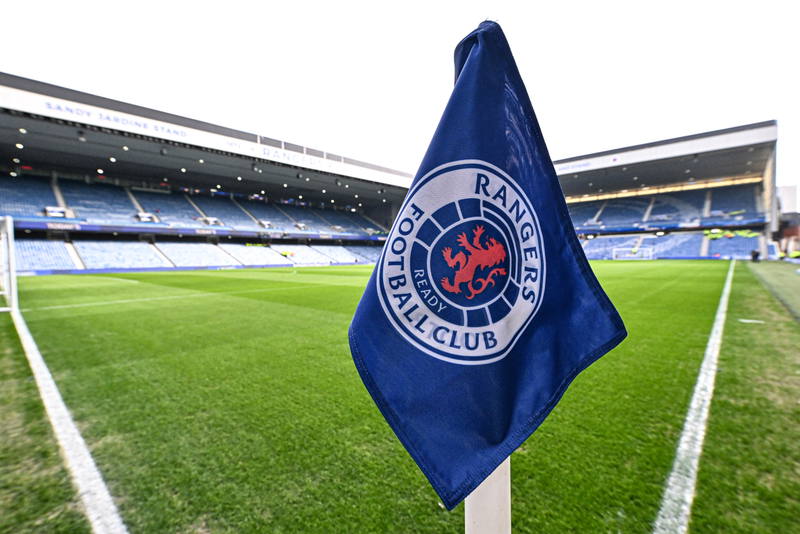
Andy Halliday is probably right to call this a natural fit, but that does not make the job any lighter. McInnes goes into Rangers after a third-place finish last season, a post-split collapse, and another trophyless campaign that has sharpened every question around the club.
Russell Martin's spell lasted 17 matches before he was binned. Danny Rohl left for Red Bull Salzburg in June after Rangers' season unravelled, and the pattern is obvious enough: the club has spent too long changing the man in the dugout instead of fixing the mood around it.
McInnes and the pressure at Ibrox
Halliday's view on McInnes is pointed. “The timing's perfect,” he said, adding that McInnes is “now a more well-rounded manager than he was back in 2017” and “in the best possible place to take the job on”. He also warned that “he knows the pressure cooker he's stepping into”.
That pressure is not abstract. Rangers finished third in the 2025 Premiership, took 72 points from 38 league matches and lost six of them. That is not a hopeless base, but it is nowhere near enough for a club that expects titles to be the minimum standard.
McInnes also has a bit of Ibrox history. He played there from 1995 to 2000, so he knows the place and the noise that comes with it. The bigger issue is whether that familiarity turns into authority when the football starts.
Shankland gives the rebuild a clear focal point
Lawrence Shankland is the other reason Rangers believe this reset has a proper football edge to it. Halliday said that as a Rangers striker, hitting 20 goals “should be the minimum”, and called Shankland “as close to a guarantee as you can possibly get to a 20-goal-a-season striker” if the service is there.
His record is the eye-catching part. Shankland scored 88 goals in four years at Tynecastle, which is the sort of output Rangers have lacked from a dependable centre-forward. He also made two appearances at the World Cup in 2026, logging 174 minutes in that sample.
The point is not that Shankland alone solves anything. It is that Rangers have at least added a striker whose scoring record gives the rebuild a clear focal point, while McInnes walks into a job where the club cannot keep leaning on transition as an excuse.
The next few fixtures will show how quickly that pressure lands, and Rangers already have five upcoming matches listed. The first real question is not whether McInnes understands the size of the job, because he plainly does. It is whether this version of Rangers stops acting like a club waiting for things to go wrong.
Written by Sam Whitfield with AI-assisted research, cross-checked against 1 outlet. How we work →