

"Any process relating to player eligibility, particularly those that may compromise the integrity of a competition or the interests of one of our member federations, must be examined and dealt with in full depth," CONCACAF told A Bola, in comments translated from Portuguese. That demand is hard to separate from the central allegation in the Congo DR case, that FIFA lawyers had already identified an eligibility problem involving Lionel M'Pasi in March 2026, yet no sanction was applied before the World Cup campaign played out.
The March timeline FIFA cannot dodge
The key reporting, from independent.co.uk, is specific. FIFA lawyers reportedly found M'Pasi's ineligibility in March 2026. They also drew up a list of possible sanctions that month, including banning the player and disqualifying Congo DR from the intercontinental play-off against Jamaica.
That is why this has moved beyond ordinary post-tournament noise. The real issue is not simply that an eligibility complaint existed, but that internal legal work had apparently gone as far as identifying possible punishments before the decisive matches were played.
Some outlets have pushed the story even further. Le Monde, quoted in German by SPORT1, described it as "a delicate matter that FIFA covered up for political reasons". That is a serious allegation, and it remains an allegation, but it explains why the case has put FIFA and Gianni Infantino back under attention.
FIFA's answer has been procedural rather than detailed. In comments translated from Portuguese by A Bola, FIFA said its committees "are autonomous and decide based on the applicable regulations and the specific facts submitted to them". That defence may protect the governing body formally, but it does not answer the obvious timing question raised by the reports from March.
Congo DR's World Cup run is now part of the argument
The delayed handling matters more because Congo DR were not knocked out quickly. They took 4 points from 3 group matches and finished third in Group K before reaching the knockout stage.
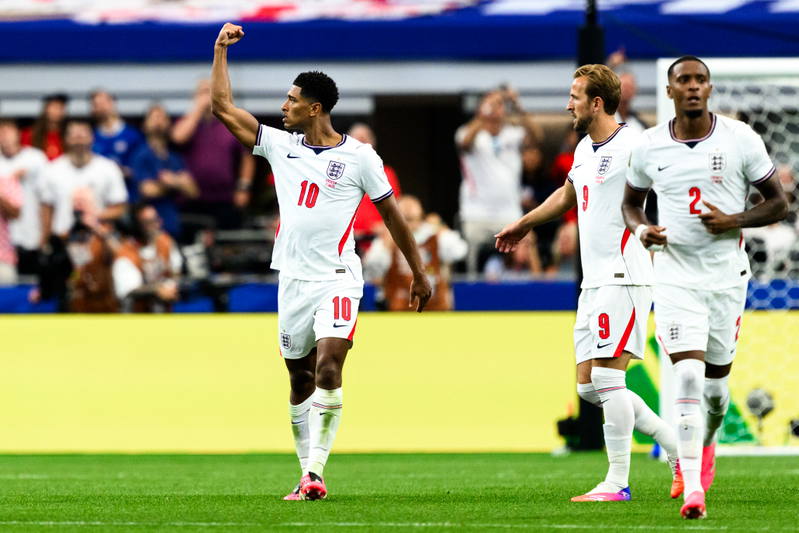
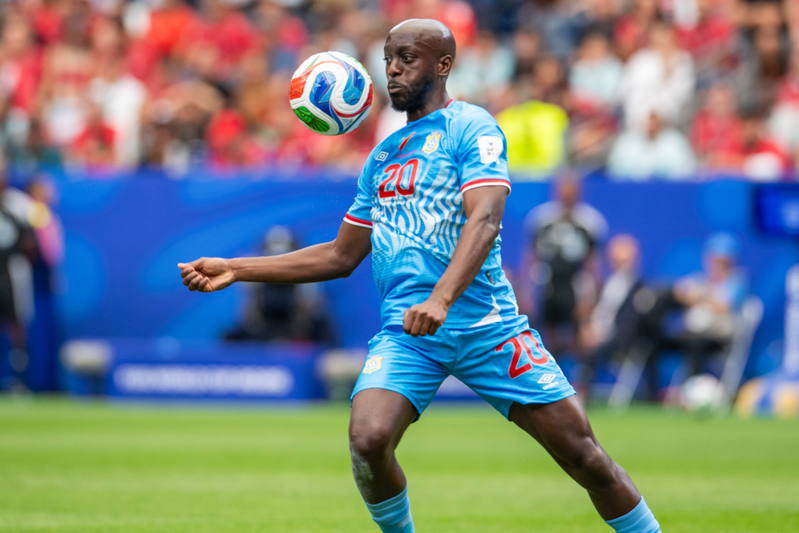
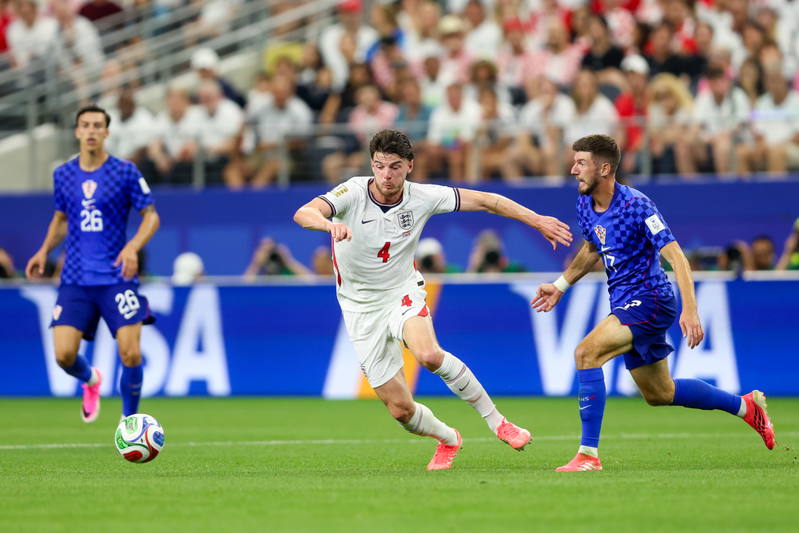
Their route through the tournament is now being reread through the case. Congo DR drew 1-1 with Portugal, lost 1-0 to Colombia, beat Uzbekistan 3-1 and then lost 2-1 to England in the round of 16. M'Pasi played in every World Cup match before that defeat, making 4 appearances and logging 324 minutes.
That involvement is what keeps the story alive. If the player at the centre of the dispute had barely featured, FIFA might have contained this as an administrative complaint. Instead, he was present throughout the run, which makes the delay look far more damaging for the competition's credibility.
There is another layer to it. DR Congo's path to the tournament had already brought scrutiny, because the reports also point back to a possible sanction that included disqualification from the intercontinental play-off against Jamaica. The secondary angle around the route itself has also dragged Nigeria into the wider conversation, because the tournament story is no longer being read as isolated results on the pitch.
The review demands are fair, and FIFA still owes a clearer answer
CONCACAF's position is difficult to argue with. Its statement did not try to decide the case publicly, but it did insist that any eligibility matter affecting competition integrity should be fully reviewed through FIFA's governance and disciplinary bodies.
SPORT1 also reported, citing The New York Times and Le Monde, that FIFA internal documents had considered several possible outcomes, including administrative punishment, fines or no sanction at all. That suggests there was room inside the process for different conclusions. It also strengthens the sense that the case drifted when it needed a clean decision.
There are two ways to read the standoff. One is that FIFA knowingly let Congo DR continue despite the March legal finding. The other is that the governing body reached no actionable conclusion under its formal procedures and left the matter to autonomous committees. On the evidence reported so far, the first reading carries more weight, because the existence of a sanctions list from March makes simple institutional delay harder to defend.
FIFA may still argue that process and proof were not complete at the time. Until it explains why a case identified in March was still unresolved after Congo DR had gone through the group stage and into a last-16 tie with England, the DR Congo eligibility scandal will remain a story about governance as much as football.
FAQ
Why is the DR Congo eligibility scandal focused on FIFA rather than only Lionel Mpasi?
The main issue is FIFA's handling of the case. Reports said FIFA lawyers identified Lionel Mpasi's eligibility problem in March 2026 and even listed possible sanctions, including banning the player and disqualifying DR Congo from the playoff against Jamaica. No sanction followed before the World Cup, which is why the story has become a governance question.
Did FIFA know about Lionel Mpasi's eligibility issue before the World Cup?
Reports from independent.co.uk said FIFA lawyers found an eligibility issue involving Mpasi in March 2026. FIFA's public position was that its committees are autonomous and rule on the applicable regulations and the facts submitted to them. The dispute is over whether identifying the issue internally should have led to action before DR Congo kept playing.
How far did DR Congo go at the World Cup while the Mpasi case remained unresolved?
DR Congo took 4 points from 3 group matches, finished third in Group K and still reached the knockout phase. They drew 1-1 with Portugal, lost 1-0 to Colombia, beat Uzbekistan 3-1 and then lost 2-1 to England in the round of 16. Mpasi played in all four World Cup matches for 324 minutes.
What has CONCACAF said about the Lionel Mpasi eligibility case?
CONCACAF pushed for a full review. In comments translated from Portuguese and reported by A Bola, the confederation said any eligibility process that could compromise the integrity of a competition or the interests of one of its member federations must be examined and dealt with in full depth through FIFA's governance and disciplinary structures.
Written by Jack Mercer with AI-assisted research, cross-checked against 4 outlets. How we work →