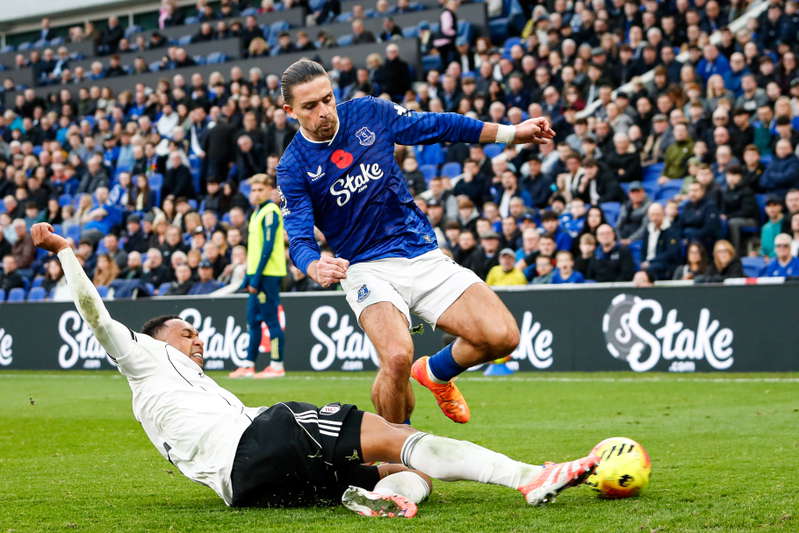


"I can't get away from that. That was just how I played football. But I'm not like that off the pitch, unless you are breaking into my house!" Duncan Ferguson said in comments published by the Liverpool Echo, and the line sums up how he sees the image that followed him through his Everton years. He lifted the FA Cup with Everton in 1995, scored 72 goals in 273 appearances in all competitions, and is tied for the most red cards in Premier League history with eight.
The football reputation
Ferguson said the label came from the way he played, not from how he lived. "Other than that, I've been all right! I have been in Liverpool since I was 22 and if you are a wrong' un, you'll get found out," he added.
That is a fair reading of why the image stuck. At Everton, the numbers do not soften it much, with 72 goals in 273 games and a red-card total that still sits at eight. He was an effective striker, but he was also the sort of player opponents remembered in a hurry.
The burglary stories
The other side of the story is less about football and more about instinct. Ferguson described hearing movement at his home, putting on his trainers and seeing two shadows coming through the conservatory. He then said he got hold of one of the intruders, unloaded on him, and ended up having to try to resuscitate him.
The details are grim enough without embellishment. In January 2001, Michael Pratt and Barry Dawson broke into Ferguson's Rufford residence while his family was sleeping. Dawson spent three days in hospital after suffering injuries at Ferguson's hands, and the pair had tried to steal bottles of champagne, a framed picture and CDs.
A second attempted burglary followed two years later at Ferguson's £2million Formby home. Carl Bishop was left with a broken jaw and three missing teeth, spent two days in hospital after trying to steal alcohol from Ferguson's outbuilding, and was later sentenced to four years in prison for trespassing with intent to steal, plus 12 months for failing to return to prison while on licence.
The hard-man tag was always rooted in what happened on the pitch, but Ferguson's own account shows why it never felt like a simple nickname. It became a football identity, then found a real-world edge when intruders crossed into his home.
Written by Jack Mercer with AI-assisted research, cross-checked against 1 outlet. How we work →