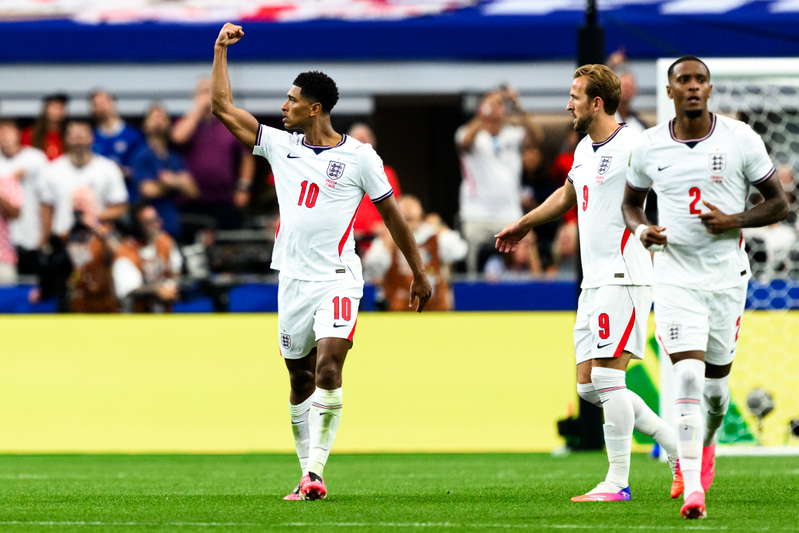



Earlier this week, the body language around England against Congo DR was the story. Today, the more relevant line is what happened after Thomas Tuchel turned to his bench. Anthony Gordon created both of Harry Kane's goals in the 2-1 comeback, and England's substitutes ended up shaping the match far more than the starters did.
Gordon and Kane changed the game
Gordon had only 32 minutes to make an impact, but he still delivered two assists. Kane scored twice, finished as England's top-rated player on 8.5, and gave his side the late edge they had been missing for much of the night. The production from one substitute and one finisher was the clearest reason England recovered from the early problem.
Tuchel's changes also altered the structure. He moved Declan Rice into the right-back position after the substitutions, and England worked the ball down the right flank before Gordon's cross for Kane's equaliser. That sequence mattered because it showed England can change shape and still keep the final action clean.
Sports Mole put it bluntly: "England's ability to bring such quality from the bench could yet prove a decisive factor in their World Cup 2026 hopes." That feels fair after this one. Bukayo Saka and Marcus Rashford had already combined to seal a 4-2 win against Croatia in England's opening group game, so this was not a one-off rescue act.
What it means before Mexico
England's next game is against Mexico in the World Cup 2026 last 16 at Estadio Azteca, with a 1am BST kick-off on Monday July 6. The venue has a capacity of 87,523 and sits more than 2,000 metres above sea level. Mexico have won all four of their World Cup games so far, scoring eight goals and conceding none.
That is a much sterner test than Congo DR, but England at least have a clear route through games now. Gordon's 2 assists, Kane's 2 goals and the way Tuchel used the bench give them something tangible to lean on. The next step is not about whether England can create chances, it is whether they can do it again in a tougher setting in Mexico City.
Written by Jack Mercer with AI-assisted research, cross-checked against 3 outlets. How we work →