

England beat Mexico 3-2 in Mexico vs England, but the key tactical call came long before the late chaos. Thomas Tuchel told his side to press with more care than usual, accept that Mexico would start fast and wait for the right moments to hit back. The first-half numbers show it clearly, and the game swung exactly where England hoped it would before a red card forced another reset.
Tuchel's selective press set the match up
England started in a 4-2-3-1, but the more revealing detail was how little they chased compared with earlier matches in the tournament. Their average ball recovery time in the first half was 37 seconds. In their first four World Cup games, it had been 12.1 seconds.
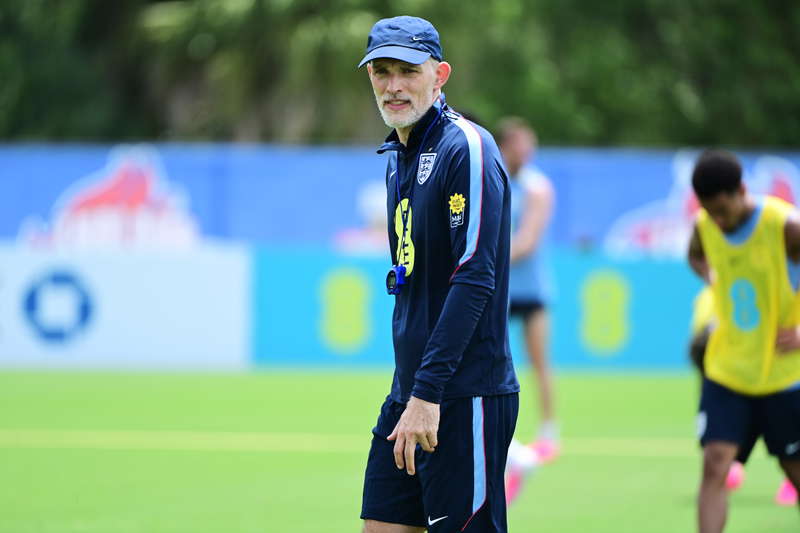
That is a huge shift, and it fits what Tuchel said afterwards. Speaking to bbc.co.uk, he said: "We are fully committed to our press. But it's not economical. We need to be smart and pick the right moments."
Anthony Barry put it even more plainly. He told bbc.co.uk: "We prepared the players that up until the first water break it would be a difficult game. We would have to suffer. Mexico always start fast. We knew 0-0 would be a good result [at the break]."
That early stretch looked exactly like the staff expected. Mexico had the energy, England had less of the ball than usual, and there was no sign of the usual all-action press. The point was not to turn passive for 90 minutes. It was to stop the match becoming a sprint from the start.
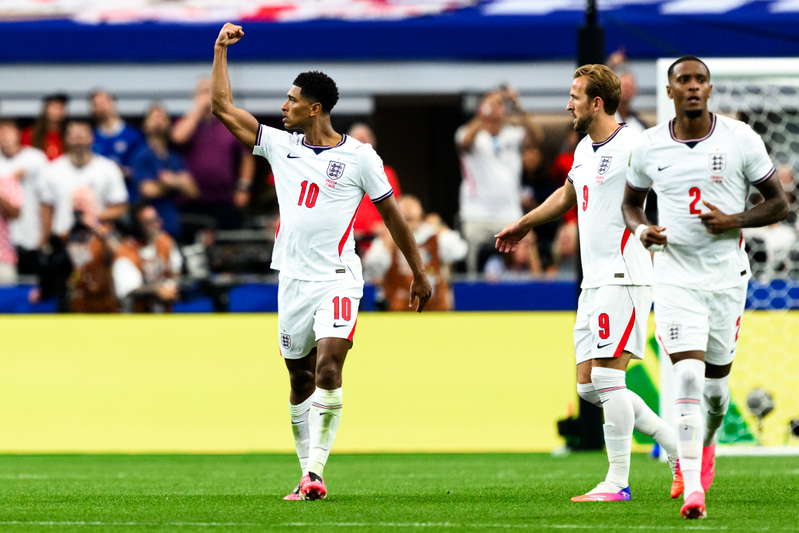
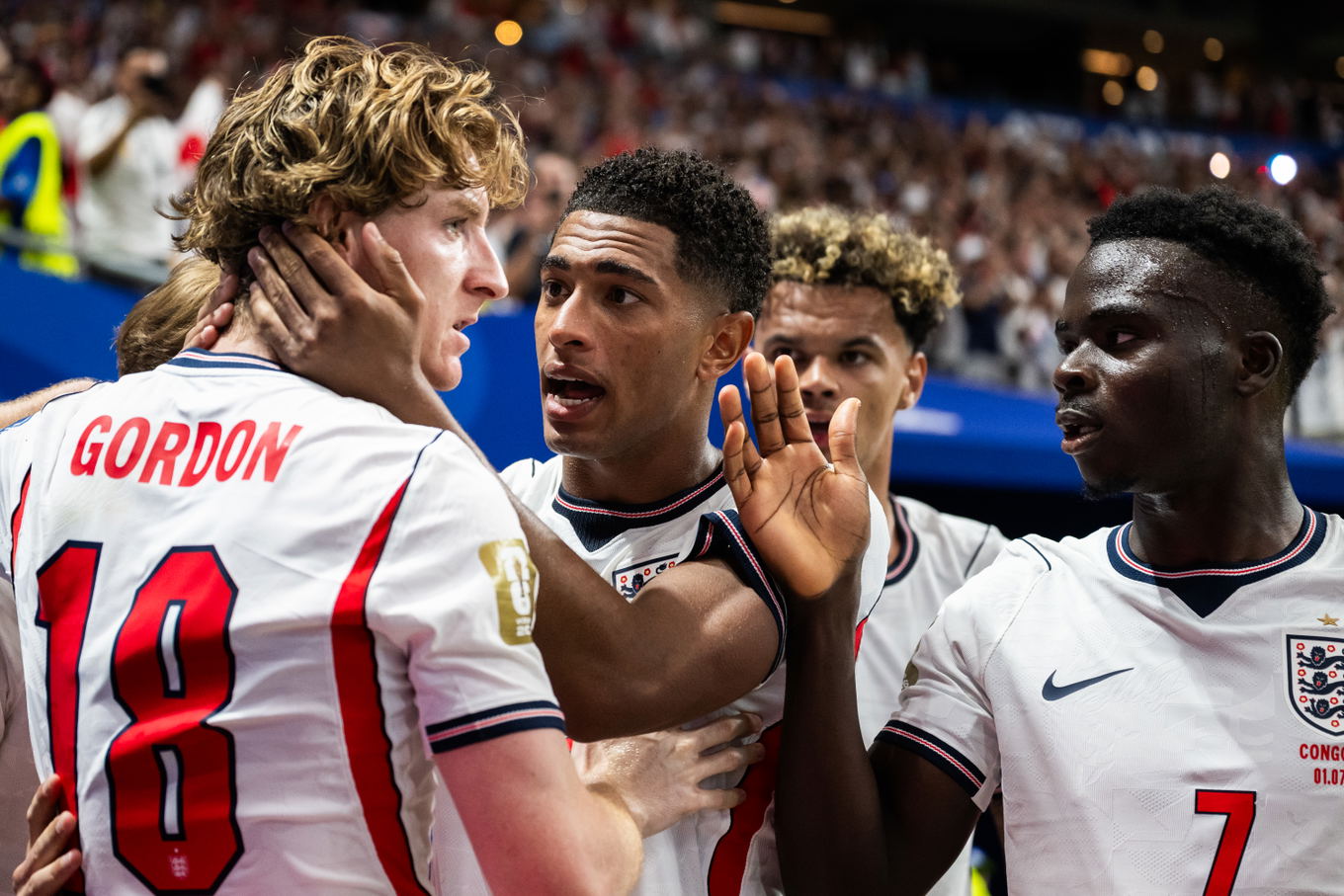
When England did step on the gas, the payoff was immediate. Jude Bellingham scored in the 36th minute and then again in the 38th. Mexico replied through Julián Quiñones in the 42nd minute, but England had already done the hard part of the plan: ride out the opening storm and land their own punches before half-time.
Bellingham took the moments England were waiting for
England did not control every phase, and they did not need to. Bellingham's two-goal burst gave the selective approach a ruthless edge. In a match where long spells were about patience and shape, he supplied the sharpest actions.
Harry Kane added the third from the penalty spot in the 60th minute, and that looked like the point where England might settle the tie properly. Instead, the game turned again six minutes earlier.
Jarell Quansah was sent off in the 54th minute for a serious foul after a late sliding tackle on Jesús Gallardo. From there, England were no longer managing tempo so much as surviving it. Mexico pushed the game wide, forced England deeper and kept the pressure alive when Raúl Jiménez scored from the spot in the 69th minute.
This is where Tuchel deserves real credit, even if one match is not enough to call it a permanent identity. England had already shown one version of control by slowing the press early. After the dismissal, they had to show another by protecting space and staying compact with 10 men.
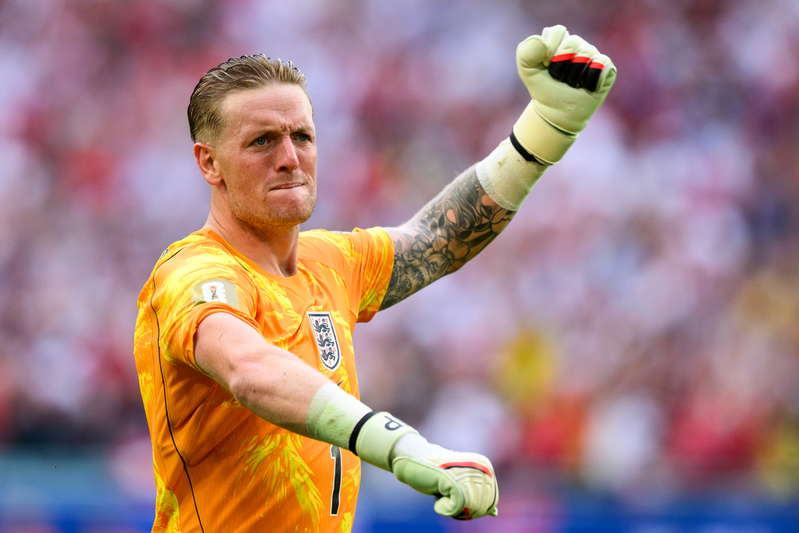
Jordan Pickford's three saves were part of that, but the bigger point is that England adapted twice in the same night. First they resisted the temptation to meet Mexico's intensity head-on. Then they abandoned any idea of control after the red card and played the game that was left.
The red card changed the test, not the result
Quansah's dismissal made the final half-hour much rougher than England would have wanted, and Mexico had enough momentum to make the scoreline feel narrow. Still, the win was built before that moment.
England's staff had planned for the difficult opening, and the first-half ball recovery numbers support that version of the game. Bellingham then gave them the decisive burst the match had been waiting for. After Quansah went off, the job was different, but not unfamiliar: protect the box, manage the pressure and get out with the result.
England have now won four of their last five World Cup matches. The 3-2 scoreline will keep attention on the late scramble, but Tuchel's smarter pressing plan is the clearest reason they were in front before the game started to unravel.
FAQ
Why did Thomas Tuchel change England's pressing against Mexico?
Tuchel said England were still committed to pressing, but not all the time. England's first-half ball recovery time was 37 seconds, compared with 12.1 seconds across their first four World Cup matches, which shows they deliberately slowed the press. The plan was to absorb Mexico's early energy, stay in the game and pick better moments to jump.
How did England beat Mexico 3-2 despite the red card?
England built the win in phases. They backed off early, then struck before the break through Jude Bellingham's two goals in the 36th and 38th minutes. Jarell Quansah's red card in the 54th minute changed the game, but Harry Kane's penalty in the 60th gave England breathing room before they saw out Mexico's late push.
Was England's slower press against Mexico a tactical choice?
Yes, the evidence points that way. Anthony Barry said England expected to suffer early and would have taken 0-0 at half-time, while Tuchel said the side needed to be smart and choose the right moments to press. England's 37-second first-half ball recovery time backs up that more selective approach.
Written by Jack Mercer with AI-assisted research, cross-checked against 2 outlets. How we work →