

"You can't pass judgement without a much deeper, more complete understanding of the person being judged."
That principle, articulated by 91-year-old Argentine journalist Enrique Macaya Marquez, has anchored his career across 18 consecutive World Cups spanning nearly seven decades. Since he first covered Pele's Brazil in Sweden in 1958, Macaya has documented football's transformation - from tactical evolution to the emergence of Messi, to the unexpected vindication of Lionel Scaloni. His refusal to rank players across eras stands as a rare counterweight to modern sports media's obsession with GOAT debates and legacy hierarchies.
For someone who has watched the sport develop from black-and-white broadcasts to the current era, such measured judgment is more than a journalistic principle. It is a hard-won perspective earned through proximity to the greatest players in history, and a warning against the false certainty of ranking them.
Why comparisons across eras fail
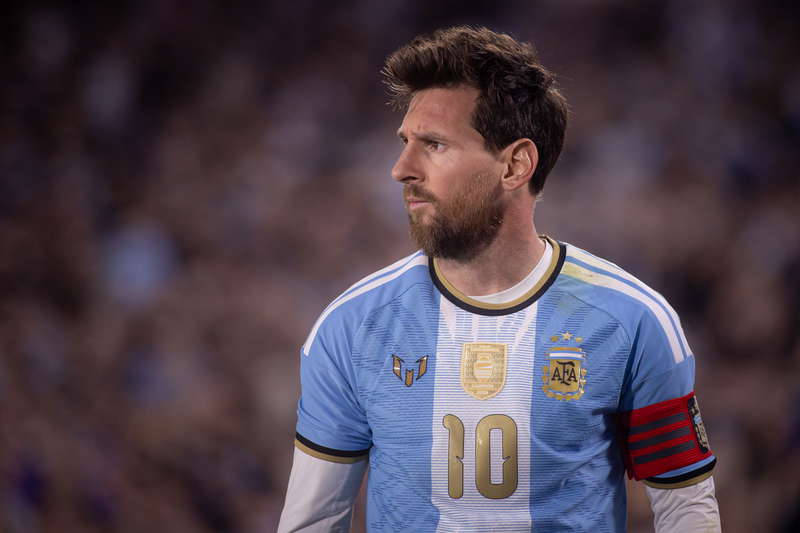
The philosophy proved particularly sharp when applied to football's greatest names. When asked whether Messi or Maradona deserved the title of greatest player in history, Macaya offered a response that doubled down on his core principle: "That question deserves a smile. There's no way to measure players throughout history. Times have changed. Opponents have changed. Every player is unique."
He continued: "I can say who I personally liked, but that doesn't mean I believe that player was the best in history."
The distinction carries real weight. In an era where commentary thrives on binary rankings and eternal verdicts, Macaya's seven decades of observation offer a different framing: context - the opposition faced, the support from teammates, the tactical demands of the era - matters more than comparison.
Expanding on the point, he suggested: "It is very difficult to make a cold comparison. The opponents were different. The needs were different. The support from their team-mates was different. Each had their own life and their own history."
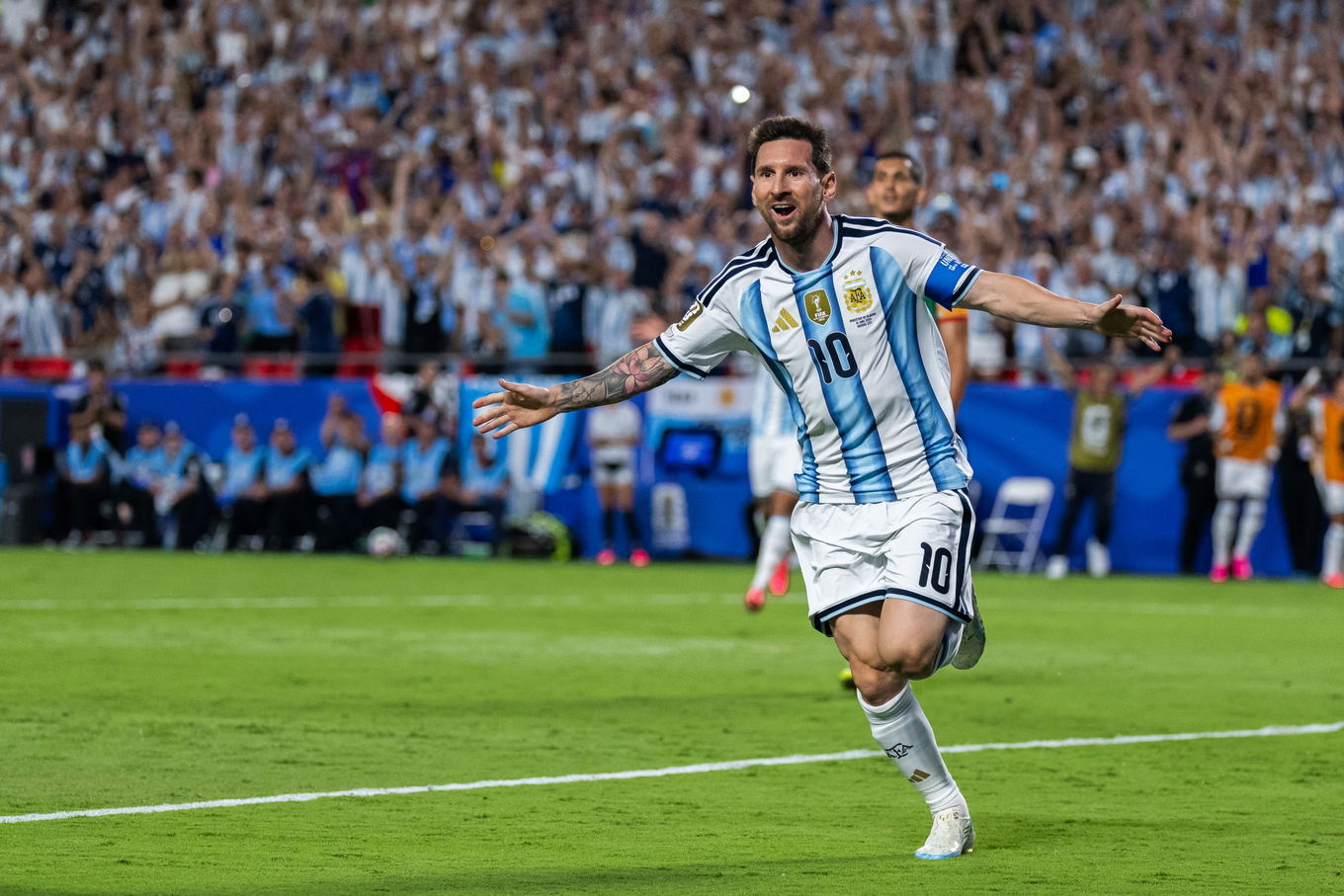
This is not an argument that comparing greatness is impossible, but rather that flattening different eras into a single ranking misses what made each player extraordinary within their own moment. Pele's dominance in the 1950s and 60s, Maradona's redemption in 1986, Messi's sustained excellence across two decades - each story demands to be understood on its own terms.
The Scaloni vindication
This philosophy proved prescient in the case of Lionel Scaloni. When Argentina appointed the relatively unknown coach in 2018, many observers questioned the choice. It seemed a gamble for a national team in transition. Macaya's approach - withhold judgment until you understand the person fully - would have offered natural patience. Scaloni has since led Argentina to win the Copa America, the Finalissima, and the 2022 World Cup, a run of success that vindicated quiet faith in unconventional leadership.
The Scaloni case illustrates Macaya's broader insight: judgment requires time and understanding, not immediate verdict. An unconventional appointment that looked risky in 2018 now reads as a defining moment in Argentine football.
Covering the present tournament at 91
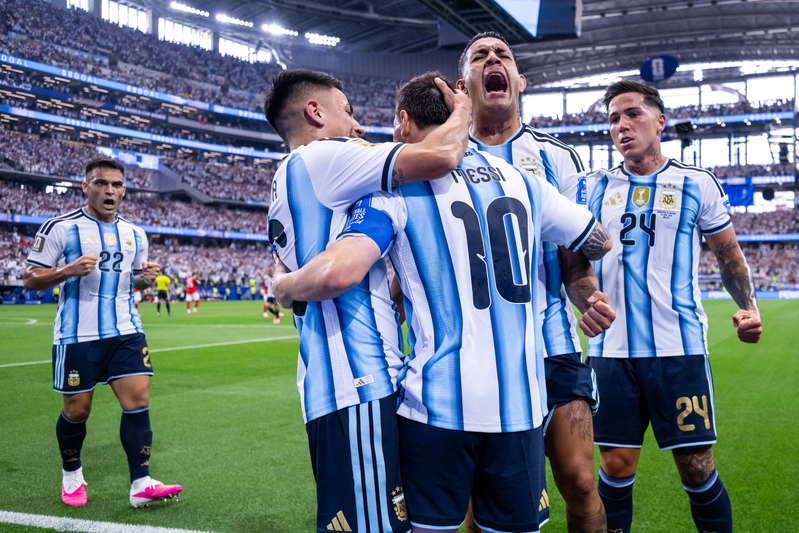
Now, at 91, Macaya continues to report from his 18th World Cup. Argentina has dominated the 2026 group stage, winning all four matches and scoring 12 goals while conceding just three. The team advanced as Group J winners with a goal differential of +9 - dominant form that will shape the knockout phase.
The semi-final against England awaits on 15 July. This is the tournament Macaya is documenting, and it carries the weight of his entire career: he has seen every major chapter of football history, and he is still here to report it.
A lifetime of measured perspective
The span of his career is remarkable. From Argentina's shock loss to Czechoslovakia in 1958 - a result he described as the "disaster of Sweden" - to the semi-final glory unfolding now, Macaya has witnessed football's full arc. His commitment to measured judgment has become increasingly rare in a landscape where instant verdicts and hot takes dominate the discourse.
The legacy of his philosophy is not that all rankings are invalid, but that declaring one player "the greatest in history" flattens the uniqueness of what each generation accomplished. His seven decades suggest a more honest framework: not who was the greatest, but what each player achieved within their own context, against their own opponents, with their own teammates, under their own circumstances.
That frame - understanding before judgment - seems more valuable now than ever.
FAQ
Why can't Messi and Maradona be compared as the greatest player?
According to journalist Enrique Macaya Marquez, who has covered 18 World Cups, different eras presented different opponents, different team support, and different tactical demands. Each player achieved within their own historical moment, so ranking them as if they faced identical circumstances misses the uniqueness of what each accomplished.
How did Lionel Scaloni become successful as Argentina manager?
When Argentina appointed Scaloni in 2018, his appointment seemed unconventional. Under his leadership, Argentina won the Copa America, the Finalissima, and the 2022 World Cup. His success vindicated patience with unconventional choices and the principle of withholding judgment until you truly understand the person's vision.
What is Enrique Macaya Marquez's philosophy on judging football players?
Macaya's core principle is: 'You can't pass judgement without a much deeper, more complete understanding of the person being judged.' Applied to ranking football's greatest players, this means acknowledging each player's uniqueness rather than forcing them into a single hierarchy across different eras.
- bbc.co.uk
- dailyrecord.co.uk
- goal.com
- independent.co.uk
- mirror.co.uk
- si.com
- skysports.com
- sportsmole.co.uk
Written by Sam Whitfield with AI-assisted research, cross-checked against 8 outlets. How we work →