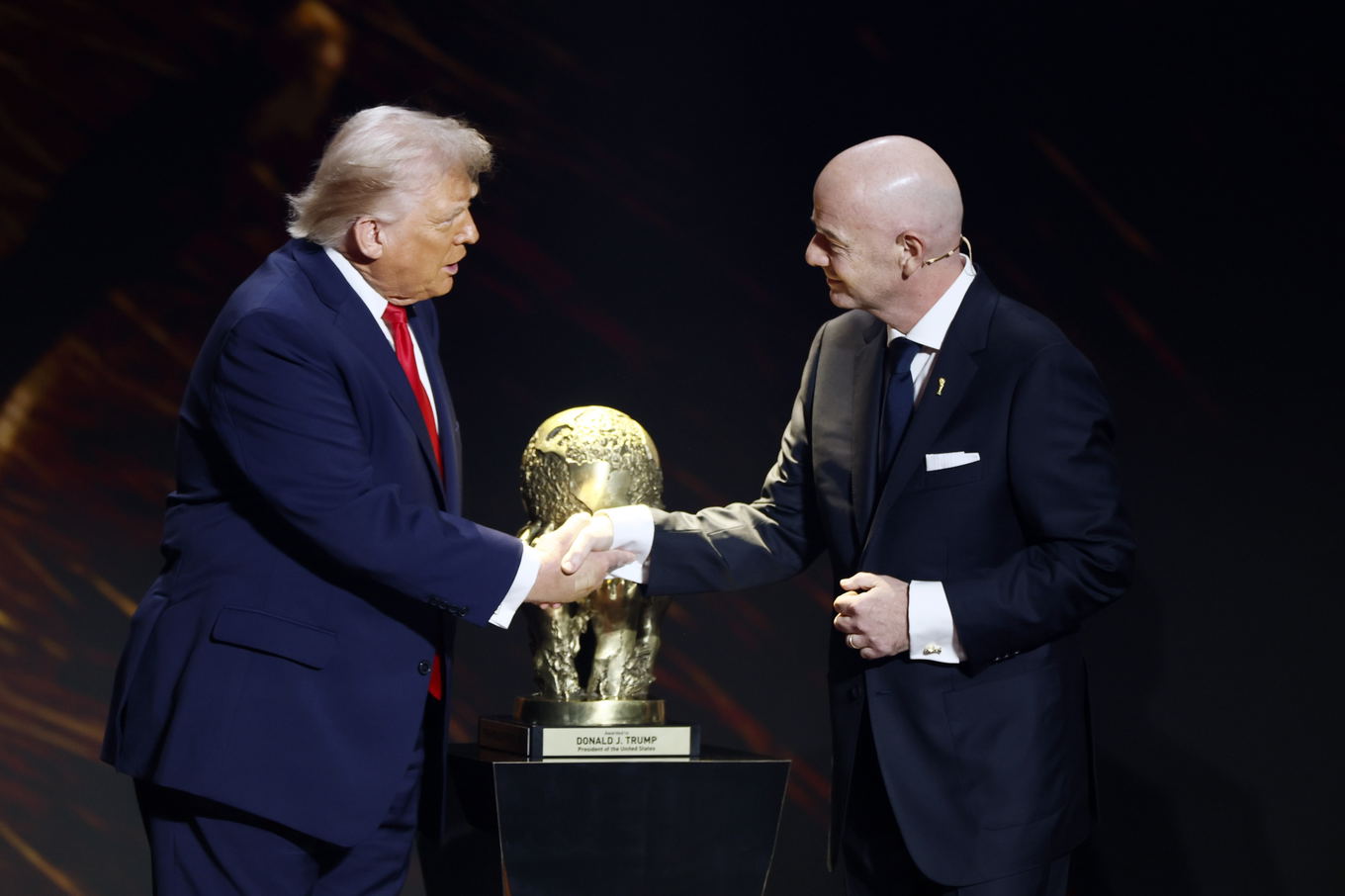
"We pride ourselves in Jordan in upholding ethical values. We did not endorse him before and certainly will not now. But the whole situation amounts to blackmail and we refuse to give in to that." Prince Ali bin Hussein's statement to independent.co.uk has pushed FIFA's latest row into something bigger than a policy retreat. With FIFA now dealing with fallout from an abandoned plan to sell 20% of FIFA Forward Enterprise to private investors, the pressure on Gianni Infantino looks increasingly like a governance problem.
Prince Ali's allegation changes the story
The abandoned plan first emerged in reports by The Times and the Financial Times last Tuesday. Since then, the argument has shifted from whether FIFA overreached commercially to whether its leadership has lost the room.
Prince Ali's allegation is the sharpest part of that shift because he went beyond criticising the plan itself. He told independent.co.uk: "For months, Fifa has been refusing to help us on any of these or other matters- until it was verbally communicated to me during the World Cup that if I endorsed Infantino it would go a long way to helping our FA out."
That claim should be treated as an allegation, not as an established fact. Even so, it raises the stakes around a controversy that was already moving fast. UEFA threatened to boycott FIFA competitions, including the World Cup, until the plan was scrapped. UEFA has also said it lost confidence in Infantino and is actively considering legal action over the FFE plan.
There is a wording dispute around the project itself. Some coverage described it as a World Cup sell-off. The firmer detail available is that FIFA had planned to sell 20% of FIFA Forward Enterprise to private investors before backing away.
The pressure is spreading beyond one federation
The wider issue for FIFA is that the backlash is no longer coming from one source. Mattias Grafstrom, FIFA's secretary general, tried to separate the institution from the current turmoil, saying: "Individuals, unstable moments and unfortunate episodes come and go. The institution, its mission and its responsibility towards world football continue."
That is a protective line, but it is not exactly a ringing defence of the abandoned plan or of Infantino himself. Arsene Wenger struck a similar note when he said: "I firmly believe in an independent FIFA that serves our game with commitment, transparency, and integrity."
Inside FIFA, the mood appears unsettled enough that council members are seeking a majority of 19 to request a meeting to hold Infantino to account. Carlos Cordeiro also resigned as Infantino's senior adviser last week. Five CAF executive figures publicly offered support to Infantino on Wednesday, so this is not a complete internal collapse, but the line of criticism is clearly growing faster than the line of support.
The Jordan angle adds another layer because the federation is making these allegations from a weak football position rather than a position of leverage. Jordan finished their World Cup group stage with a 0-3 record, 0 points, and a 3-8 goals tally in Group J. That does not weaken the allegation itself, but it does show Prince Ali is not speaking from the comfort of a successful tournament run.
Morocco meeting and what comes next
Infantino has summoned senior FIFA officials to Morocco as the fallout keeps spreading. That meeting now matters less as damage control around a scrapped commercial idea and more as a test of whether FIFA can contain a leadership crisis that is drawing in confederations, insiders and former allies.
The key fact is simple enough: abandoning the plan did not end the story. Prince Ali's accusation, UEFA's boycott threat and the public distancing from senior FIFA figures have kept it alive. FIFA's next meeting in Morocco will take place with those questions still hanging over Infantino.
FAQ
Why has the FIFA crisis meeting become such a big issue for Gianni Infantino?
The row is no longer just about an abandoned plan. Prince Ali bin Hussein accused FIFA's conduct of amounting to blackmail, while reports said FIFA had planned to sell 20% of FIFA Forward Enterprise to private investors before the idea was scrapped. UEFA also threatened to boycott FIFA competitions, including the World Cup, until the plan was dropped.
What did Prince Ali bin Hussein actually accuse FIFA of?
Prince Ali alleged that FIFA had refused to help Jordan on several matters and that, during the World Cup, it was verbally communicated to him that endorsing Gianni Infantino would go a long way toward helping the Jordan FA. He said the whole situation amounts to blackmail and that Jordan would not give in to it.
Did FIFA sell part of the World Cup to private investors?
The reporting around that point is contested. Some outlets framed it as a World Cup sell-off, but the sourced detail here is that FIFA had planned to sell 20% of FIFA Forward Enterprise to private investors. That plan was then abandoned after heavy backlash.
How serious is the opposition to Infantino inside and outside FIFA?
It looks serious enough to move beyond one federation's complaint. UEFA threatened to boycott FIFA competitions until the plan was scrapped and has lost confidence in Infantino while actively considering legal action. Mattias Grafstrom and Arsene Wenger also made public comments stressing the institution, independence, transparency and integrity rather than backing the abandoned project.
Written by Sam Whitfield with AI-assisted research, cross-checked against 4 outlets. How we work →