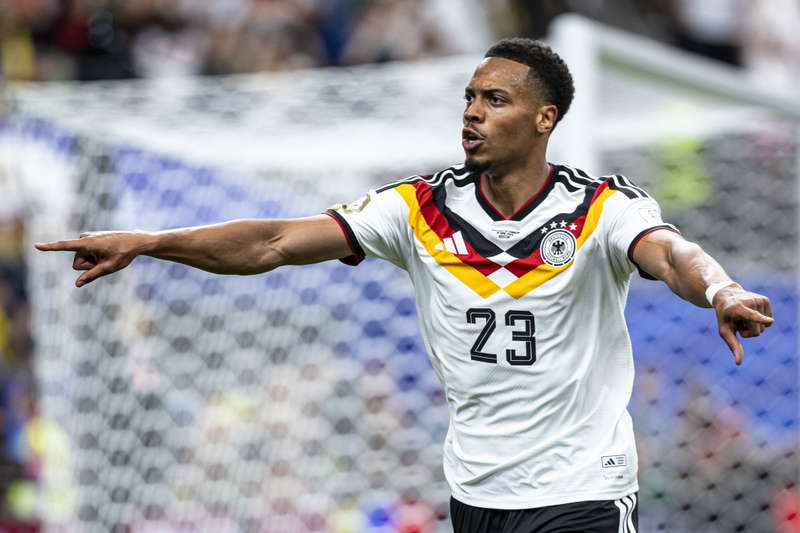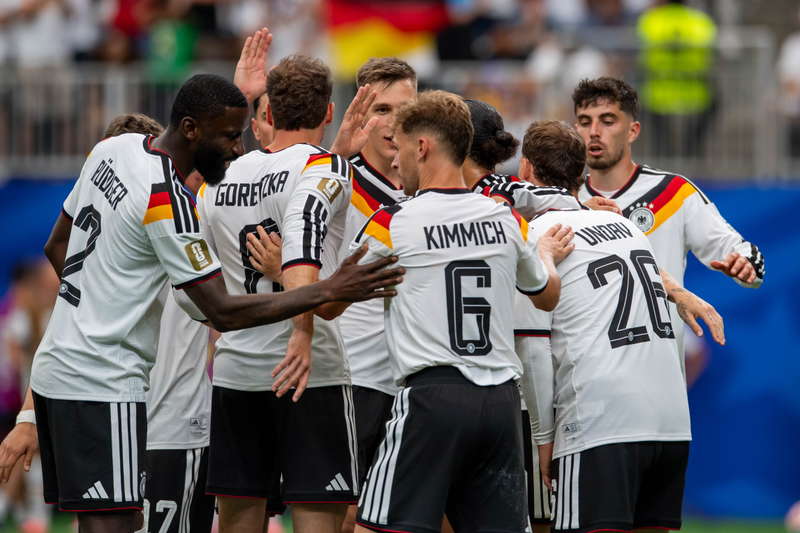






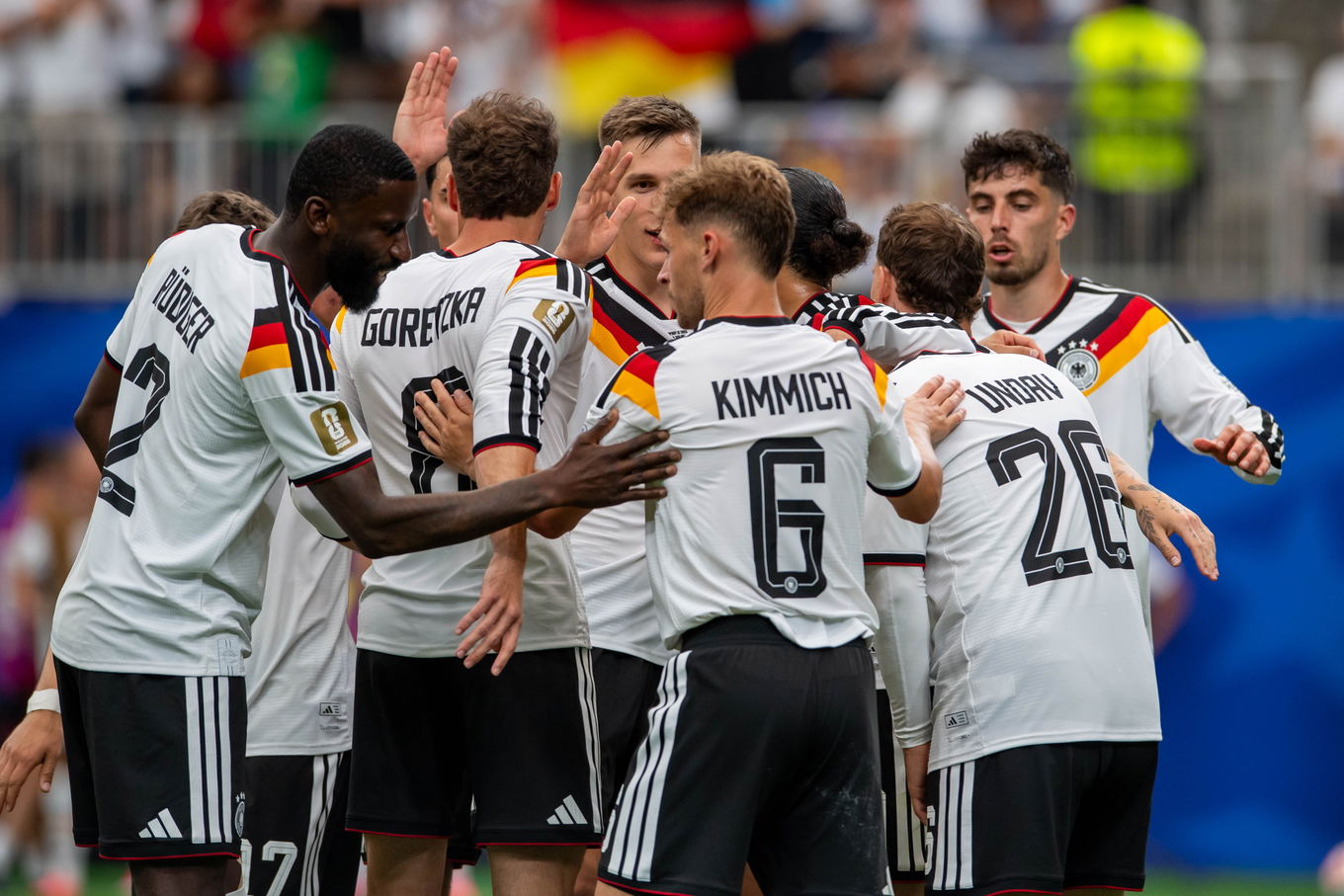
Brajan Gruda took the spotlight in Germany's 3-1 win over Serbia, but the game had been tilted long before his finish arrived. Germany led 2-0 at the break, struck after 135 seconds and controlled the first half with 85% possession and 12 shots. Gruda then scored in the 50th minute on his senior debut to turn a comfortable result into the story of the night.
Gruda's debut goal stole the attention
There was already enough in Serbia vs Germany to make it a strong away performance, yet Gruda gave it the moment people will remember. His goal in the 50th minute came on his first senior appearance and gave the result a different edge. A routine third goal would have done the job. A debutant scoring does more than that.
The wider numbers on his season are modest, which is partly why this stood out. He now has 1 goal and 4 assists in all competitions, and this was his first Nations League goal. On the night itself, he posted an 8.2 rating, the best statistical backing for the idea that he was central to more than just one action.
Jürgen Klopp, quoted in German by SPORT1, called him "a great player." It is a short line, but after a first cap and a goal, it hardly needed much decorating.
Germany had the game under control early
The result was built on Germany's opening spell. Kai Havertz's early strike, credited as a Srđan Babić own goal after 135 seconds, put Serbia behind almost immediately. Then Florian Wirtz made it 2-0 in the 14th minute with a chipped finish over Vanja Milinkovic-Savic.
That first half control was the real substance of the win. Germany had 85% possession before the break and managed 12 shots, which explains why Serbia spent so much of the night reacting rather than setting any rhythm of their own. By the time Gruda scored after halftime, the match had already been pushed firmly in Germany's direction.
The setting only added to the odd feel of it. SPORT1 reported that only 5000 Serbian schoolchildren were allowed into the Marakana, with many seats left empty, giving the game a ghost-match atmosphere rather than a full home occasion.
Serbia's late collapse made the scoreline look even worse
Serbia were already beaten when discipline became the final part of the story. V. Dragojevic was sent off in the 76th minute after VAR upgraded the card to red.
Andrija Živković then saw red late on. Sources place that dismissal in the 89th minute, while one event feed records it as a red after a second yellow at 89, but the end point is the same: Serbia finished with nine men.
Germany's win was convincing because it had shape to it. The early two-goal burst settled the game, the first-half numbers showed control, and Gruda supplied the standout image of the night with his debut goal in Belgrade.
FAQ
Why was Brajan Gruda the main story in Germany vs Serbia?
Gruda scored in the 50th minute on his senior debut, turning Germany's controlled 3-1 win into a breakout night for the 22-year-old. He also posted an 8.2 match rating, which backed up the impression that he influenced more than just the scoreline.
How dominant were Germany against Serbia before halftime?
Germany were 2-0 up at the break and had 85% possession in the first half, along with 12 shots. Kai Havertz's early opener, credited as a Srđan Babić own goal after 135 seconds, and Florian Wirtz's 14th-minute finish left Serbia chasing the game.
Did Serbia really finish with nine men against Germany?
Yes. V. Dragojevic was sent off in the 76th minute after VAR upgraded the card to red. Andrija Živković was then dismissed late on, with the timing reported as the 89th minute across sources, leaving Serbia with nine men by full time.
Written by Jack Mercer with AI-assisted research, cross-checked against 6 outlets. How we work →