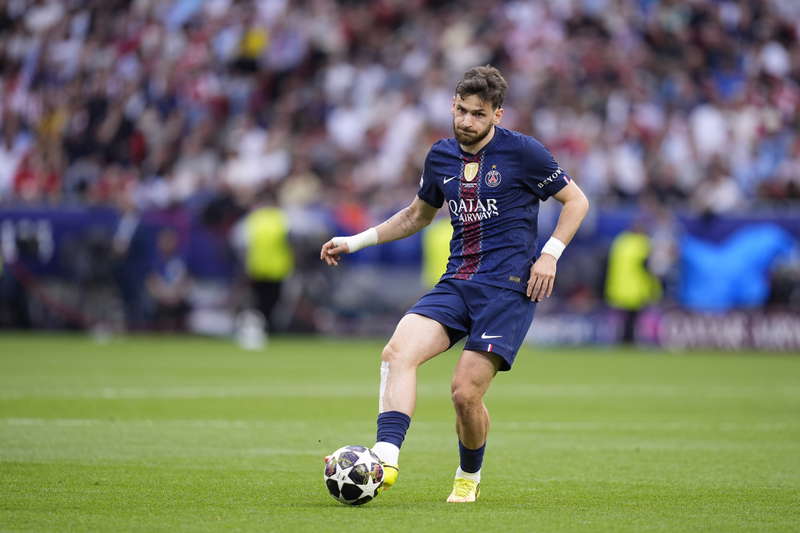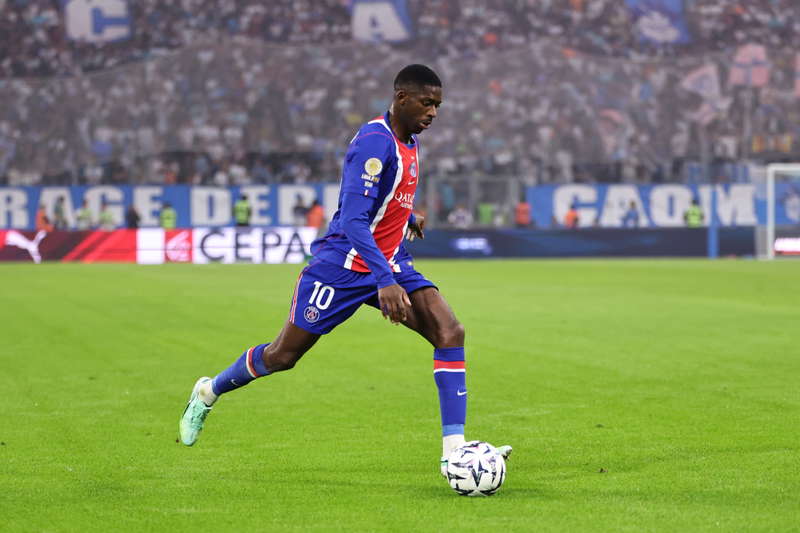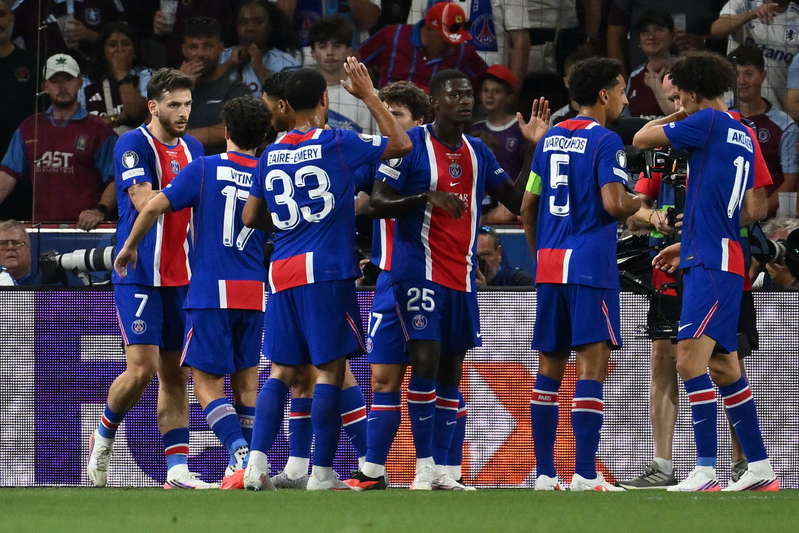



















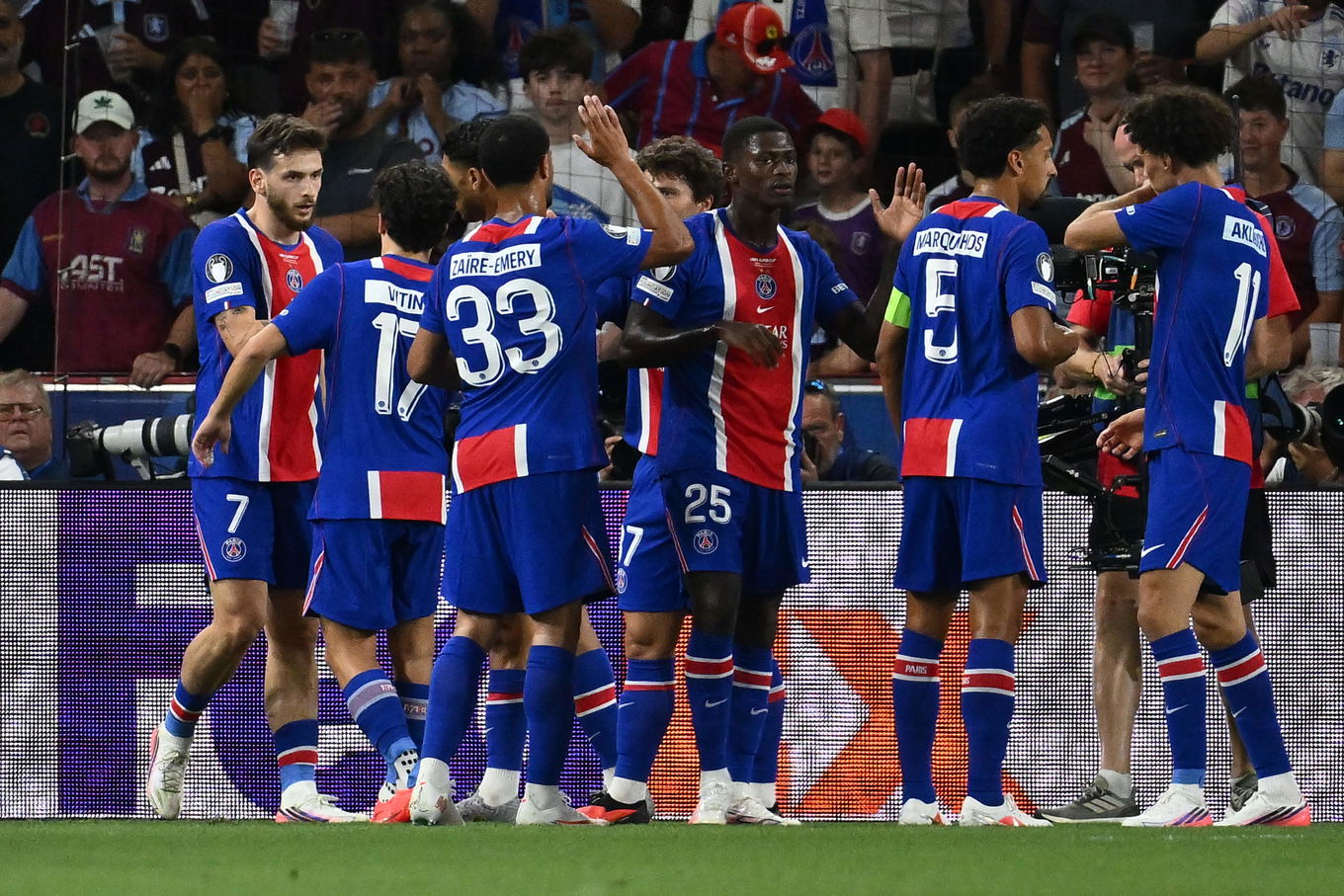
Paris Saint Germain have scored six Champions League goals from corners in five matchdays, and Ilya Zabarnyi has become part of that story. The defender's equaliser against AS Roma in the 31st minute came from a Paris corner at the Parc des Princes, but the wider debate around him has not gone away. He joined from Bournemouth for €61 million about one and a half years ago.
PSG's set-piece edge
Six goals from corners is a serious output at European level, even for a side with PSG's attacking talent. It has given them a route to goals that does not depend on open play alone, and their total of 22 Champions League goals means 16 have come from other situations.
That set-piece return sits alongside a strong overall campaign. PSG are second in the Champions League league phase, and the corner work has been a clear part of that.
The criticism around Zabarnyi
The pushback on Zabarnyi came from Foot Mercato, where Samir Nasri said: "You bought him for a fortune and he is often on the scene of the crime. If it’s like Gonçalo Ramos (in relation to his purchase price)? Gonçalo Ramos, he was scoring goals for you."
Medhi Benatia added: "he is a defender I watched a lot at Bournemouth, despite his size, he is quick, but at PSG, I do not have a reference match in mind. He has been there for a little while, he often plays the easy matches when there are rotations in the league"
The criticism is not that Zabarnyi has done nothing. His Champions League rating is 7.01, which suggests a decent European return, and he has already been involved in a decisive set-piece moment against Roma. The doubt is about the standard he has set overall at PSG, especially against the fee they paid.
What PSG have at the moment is a useful attacking weapon from corners and a defender whose place in the conversation is still being argued over. The set-piece threat is real, and Zabarnyi will keep getting judged against it when PSG return to Champions League action after this latest round of league-phase matches.
Written by Sam Whitfield with AI-assisted research, cross-checked against 2 outlets. How we work →