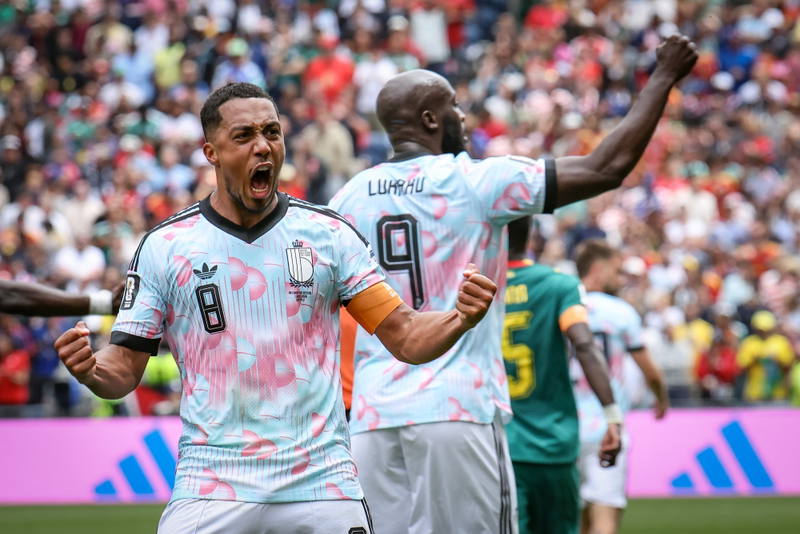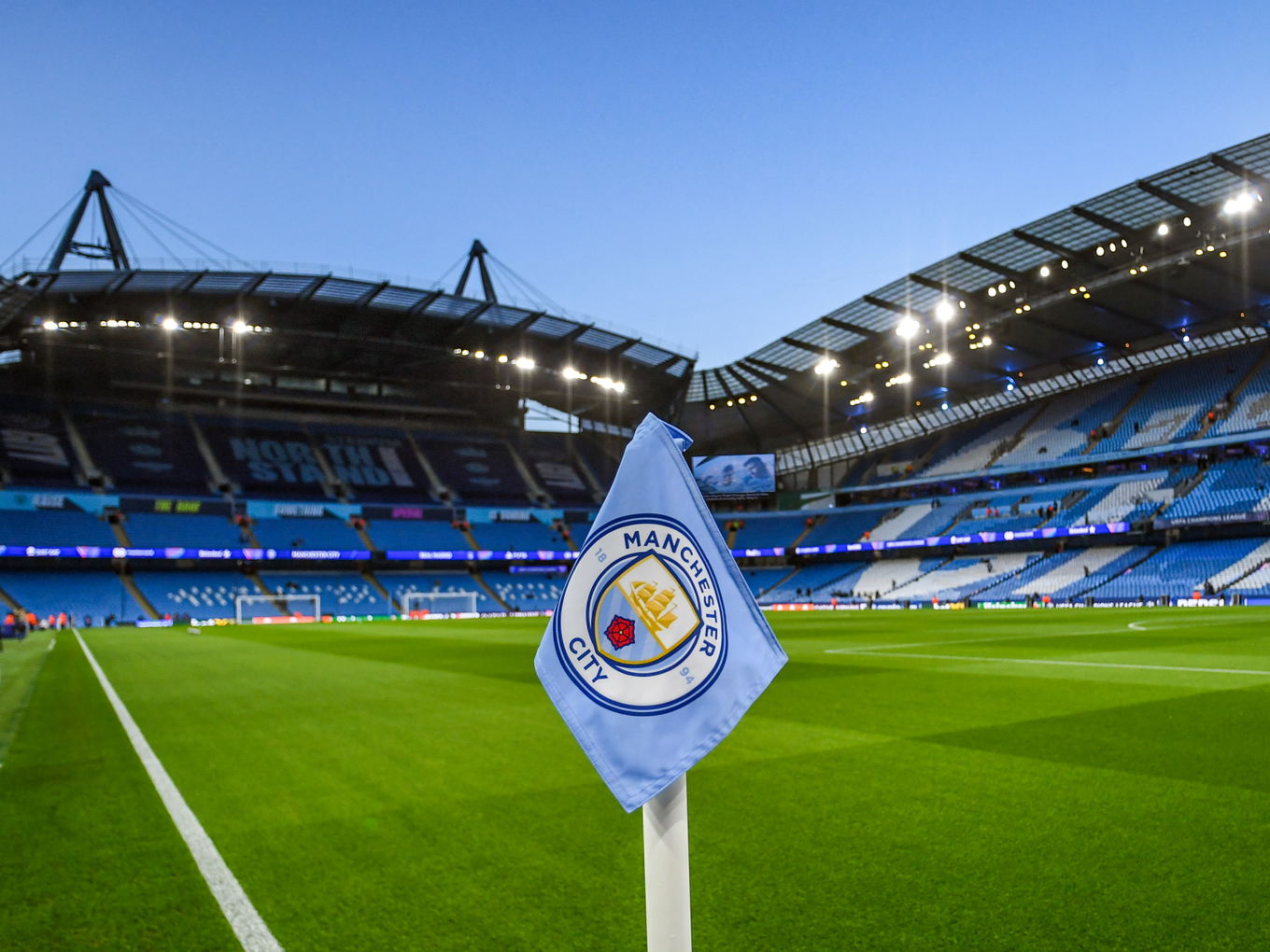
"If you ask me what I want, my answer is that nobody wants to miss the birth of their first child." That line from Jérémy Doku, speaking to BBC Sport, should not be especially controversial. Instead, the Manchester City winger's position has opened up a familiar fault line in football, with family life treated by some as secondary even at a moment as obvious as the birth of a first child.
Doku's wife Shireen is due to give birth during the second week of July, which could coincide with a quarter-final if Belgium get that far. He has not said he will definitely leave camp, but he made his preference clear while adding that football brings "many other considerations" and that "we'll see what we can do."
France Pierron's remark changed the story
The row really took off because France Pierron went far beyond saying a World Cup should come first. Her comments were blunt enough to turn a personal decision into a wider culture argument.
Pierron said: "You can't miss a World Cup... And now, you're not going to the match to cut an umbilical cord? You have the chance to participate in a World Cup, and there are hundreds of footballers who would kill to be in your place, but you're going to leave all that to go and witness the birth of your child, which is a disgusting moment, excuse me, where the father is useless, he has a role as an extra."
She later apologised to goal.com, saying: "I was expressing a personal opinion within the context of a debate. These remarks are solely my own and in no way reflect a collective position. I understand that they may have shocked, offended, or hurt some of you, and I am sorry. My intention was never to minimize the place or role of fathers with their partners and children."
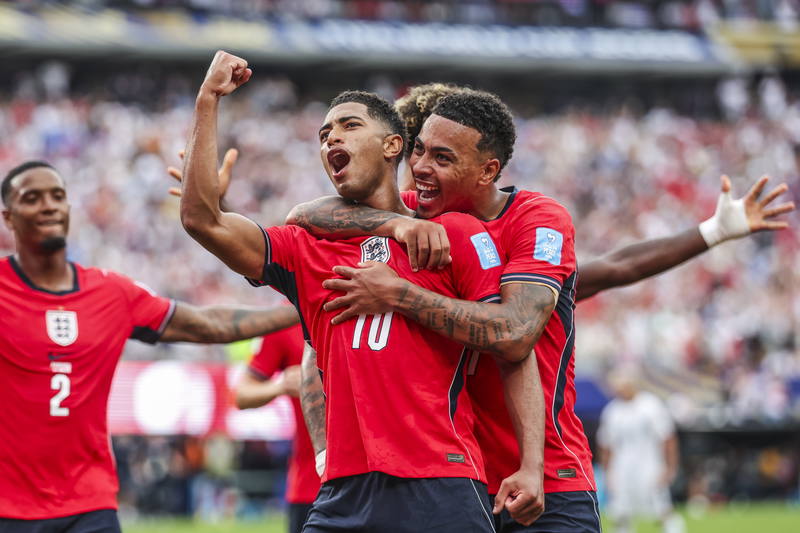
The backlash was easy to understand. Ollie Watkins rejected the language straight away, telling BBC Sport: "I think someone labelled it disgusting and I think for a start that's not a way to label a birth. I've seen what my wife had to go through and that was quite smooth sailing but I know family members and friends that haven't had it that way. It only happens once - welcoming your first child to the world - and it is a blessing."
Thomas Frank made the same point in simpler terms. Speaking to BBC Sport, he said: "Football is the most important of not important things - so it is not important at a time like this. To see your wife or partner give birth is one of the biggest things you will experience, and I think it is so important also to be there."
That side of the argument is stronger. Missing part of a tournament is a serious football decision, but treating fathers as optional extras at childbirth feels badly out of step with the sport's attempts to present itself as modern and humane.
Belgium's football problem and the wider policy gap
The timing is not trivial for Belgium. Doku played 86 minutes of the opening match against Egypt, and Belgium have drawn 1-1 with Egypt and 0-0 with Iran. They sit second in the group with 2 points after two matches, so any absence would come with obvious sporting consequences.
That is why this debate has had some bite beyond the usual social media noise. Belgium are not cruising through the tournament, and Doku is not a fringe squad member discussing a hypothetical exit from the bench. He has already been used heavily, and the due date falls in a part of the tournament where decisions become harder for players and federations alike.
There is a bigger issue underneath it. FIFA regulations set a minimum of 14 weeks' paid maternity leave for female footballers, but there is no specific paternity-leave stipulation in the men's game. So when cases like this appear, clubs, federations and players are left to improvise.
That lack of clarity helps explain why the reaction swings so wildly. The sport has rules for one side of family leave and no defined framework for the other, which leaves space for moralising and hot takes instead of a settled standard.
Doku's position is not difficult to understand. He wants to be there for the birth of his first child, Belgium still need him, and the game has no clear paternity policy to lean on. Belgium's final group match against New Zealand is next, with the second week of July still hanging over the tournament.
FAQ
Will Jeremy Doku leave Belgium's World Cup camp for the birth of his first child?
Doku has said he wants to be present for the birth of his first child, but he has not said he will definitely leave Belgium's World Cup camp. He told BBC Sport that football involves other considerations and that Belgium's federation supports its players, adding: "We'll see what we can do."
Why have Jeremy Doku's World Cup comments caused such a big reaction?
The issue moved beyond a personal decision when France Pierron described the idea of leaving a World Cup for childbirth in harsh terms. That prompted a public response from Ollie Watkins and Thomas Frank, both of whom backed Doku's position and argued that being present for a birth matters more than football in that moment.
Are there FIFA paternity leave rules in men's football?
There is no specific paternity-leave stipulation in FIFA's men's regulations based on the information available here. FIFA does set a minimum of 14 weeks' paid maternity leave for female footballers, which leaves men's football without the same level of formal guidance when family events clash with matches or tournaments.
How important is Jeremy Doku to Belgium at this World Cup?
Belgium have relied on Doku already. He played 86 minutes in the opening match against Egypt, and Belgium have only two points from their first two games after a 1-1 draw with Egypt and a 0-0 draw with Iran. With Belgium sitting second in the group, any absence would carry clear football consequences.
Written by Jack Mercer with AI-assisted research, cross-checked against 4 outlets. How we work →