

Jimmy Greaves said he wished he was playing today, and he did not dress the point up. The former England striker contrasted modern football money with the wages he earned at Chelsea, admitted he lost much of the 1970s to drink, and spoke plainly about life after the game.
He scored 402 goals in 617 matches. That is the part that makes the rest of his story land harder than most. Greaves was not some fringe pro looking back bitterly. He was one of English football's great finishers, and his reflections carry the weight of someone who lived both sides of the sport's financial divide.
Greaves on money and what football used to pay
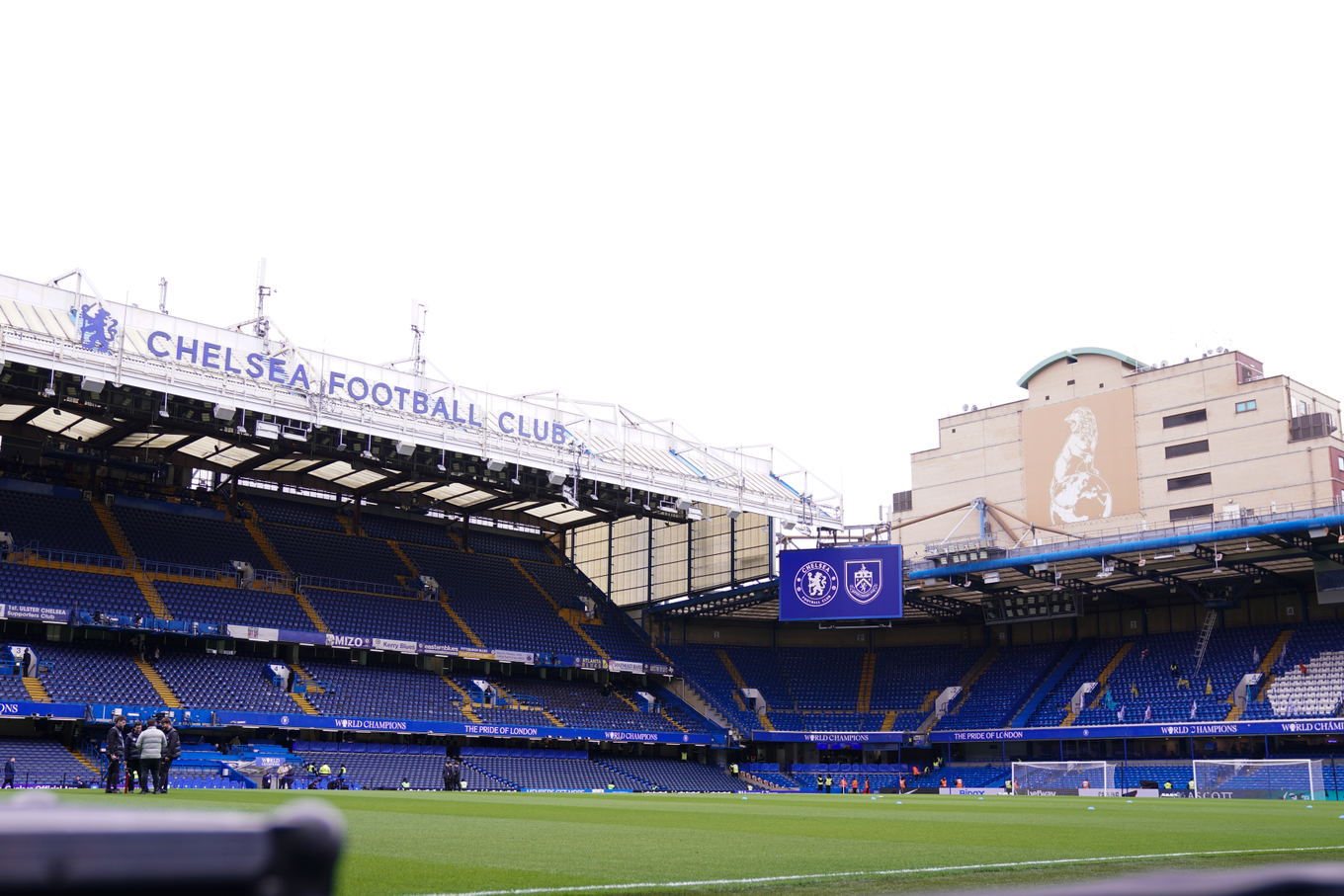
Greaves' clearest point was about wages. "Let's make no bones about it, I wish I was playing today," he said. "I look back at my Chelsea days when you had to fight to get £8 a week in the winter and £7 a week in the summer."
He added that there are now players who "haven't even played in the first team on 40 grand a week." The point is not that every modern player earns that sort of money, it is that Greaves saw a sport transformed beyond recognition. In his day, even elite goalscorers were not protected from the financial reality of football.
The years he says drink took away
The more painful part of his own account was the drink. "I lost the 70s completely, they passed me by," Greaves said. "I was drunk from 1972 to 1977."
He later described that stretch more fully, saying he spent five months in Warley mental home during 1977. He also said, "Playing football gave me a good living and television also gave me a good living, but if you say, 'Have I got any money?', the answer's no. I've just never earned enough to pack it away."
That is the sharpest edge of the story. Greaves had the fame, the goals and the television work, but none of it insulated him from the cost of addiction or from the lack of long-term financial security that came with his era.
The World Cup piece of his legacy still sits in the background too. A shin injury that needed 14 stitches against France in the final group-stage match ended his 1966 World Cup final role, with Geoff Hurst taking the place and Alf Ramsey staying with Hurst after Greaves recovered. It remains one of the strange, unresolved strands in English football history.
Greaves' own words leave little room for romanticising the past. He was a 402-goal striker who still had to talk about £8 wages, drink, and money he never packed away. England's next listed World Cup fixture is Panama vs England on 27 June 2026, a neat modern reminder of how far the game has moved since the era Greaves was describing.
Written by Jack Mercer with AI-assisted research, cross-checked against 2 outlets. How we work →