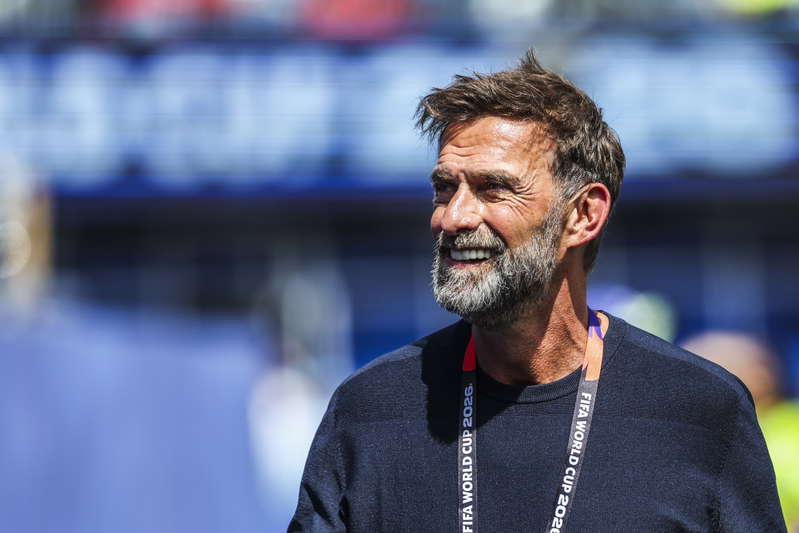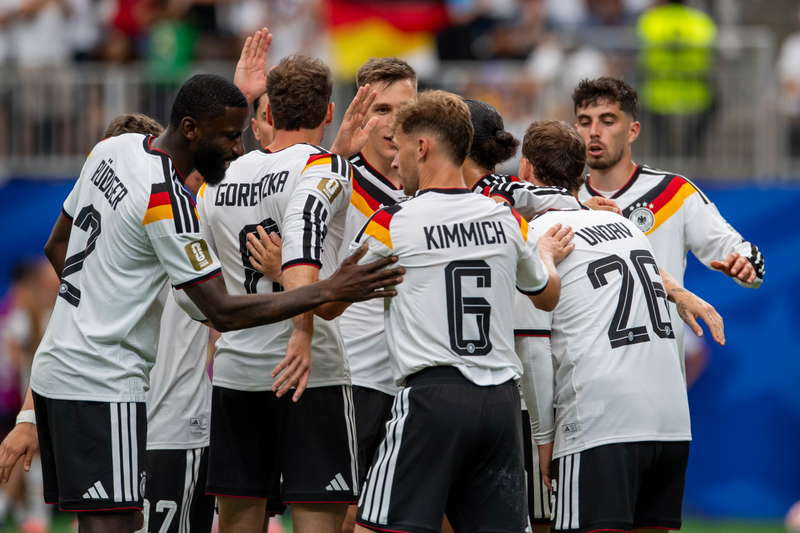


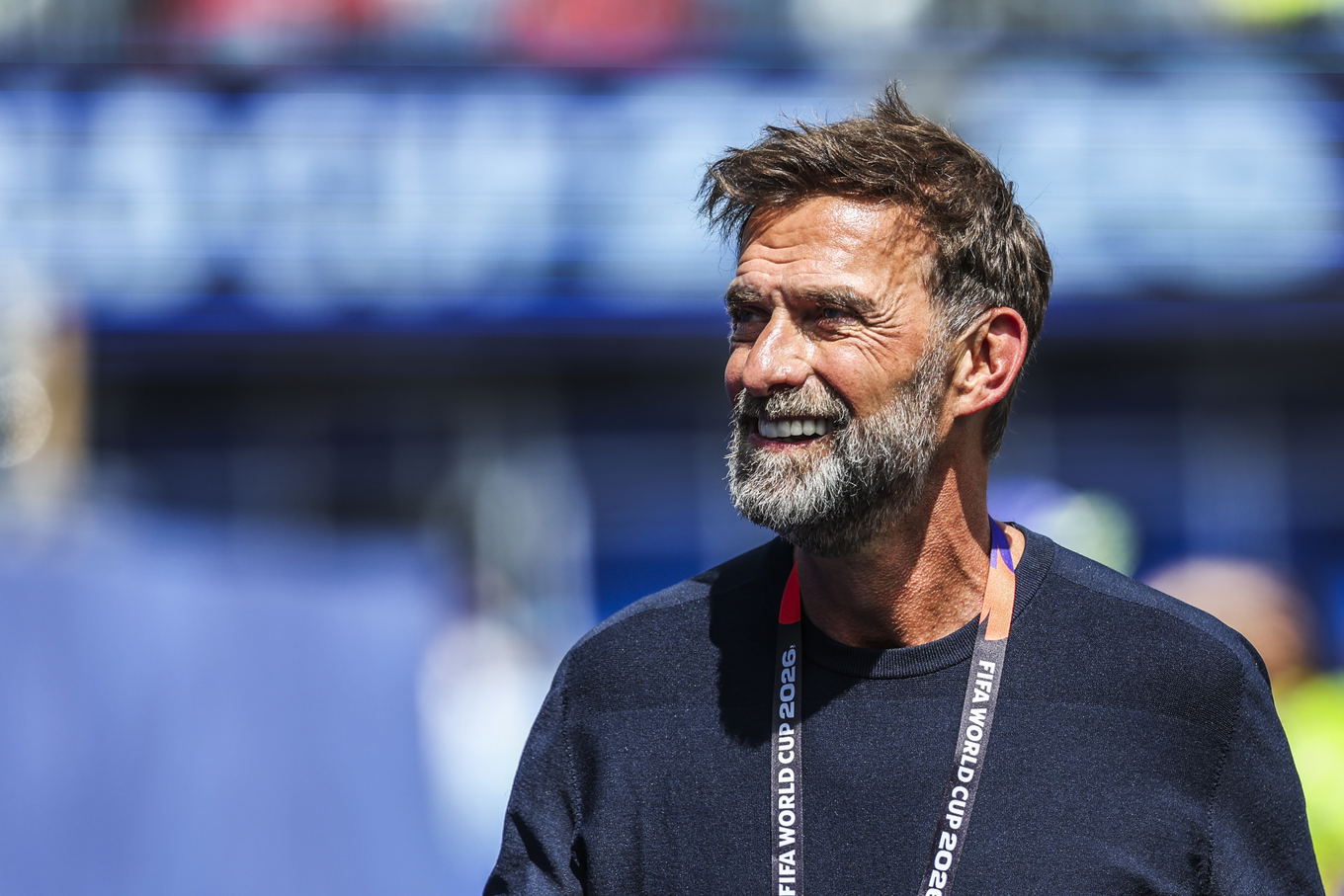
“The national team can unite us Germans like almost nothing else. That's precisely what makes this task so special for me,” Jürgen Klopp told bbc.co.uk after taking the Germany job. That is the pitch from Klopp and the DFB: a reset built on belief. The problem is the mood around his appointment is already split between strong support, genuine anger and a broader doubt about whether one coach can fix what German football has become.
Klopp has signed a four-year deal as Germany head coach, and his first game in charge will be against the Netherlands on 24 September. He will build his coaching team around Pep Lijnders and Peter Krawietz.
Those are the easy details. The harder part starts with legitimacy.
The support is real, but so is the backlash
Bernd Neuendorf made the DFB's position clear. “After Julian Nagelsmann's resignation, he was our unequivocal choice for the position of national team coach. That's why we pursued him relentlessly.”
There is a public mandate behind that. A Kicker poll found 80% of readers thought Klopp was the right choice, which is a serious number for a national appointment this exposed.
Still, the job is not close to universally embraced, and pretending otherwise would miss the point of the story. Theo Zwanziger described a Red Bull-linked role alongside Germany as “an absolute no-go”. Thomas Kessen, speaking for Unsere Kurve, went further: “Before hailing him as the Messiah, we should remember how much goodwill he has squandered, especially among Dortmund fans.”
That criticism is not just about personality. It is about what Klopp now represents. For some, he remains the best communicator German football has produced in years. For others, especially after his association with Red Bull Salzburg, he is no longer the uncomplicated figure people once projected onto the national team.
Even supporters of the hire have questioned the process. Bastian Schweinsteiger said: “It's obvious that he is number one, but when you see the delegation flying to New York, it seems a bit hectic. You have to ask: do they have any alternatives?” That is a fair hit on the DFB. Wanting Klopp is one thing, looking as though there was no serious Plan B is another.
Germany's decline is bigger than Klopp
Klopp himself is not selling this as a quick fix. “German football as a whole is facing a turning point, we have to change some fundamental things,” he said.
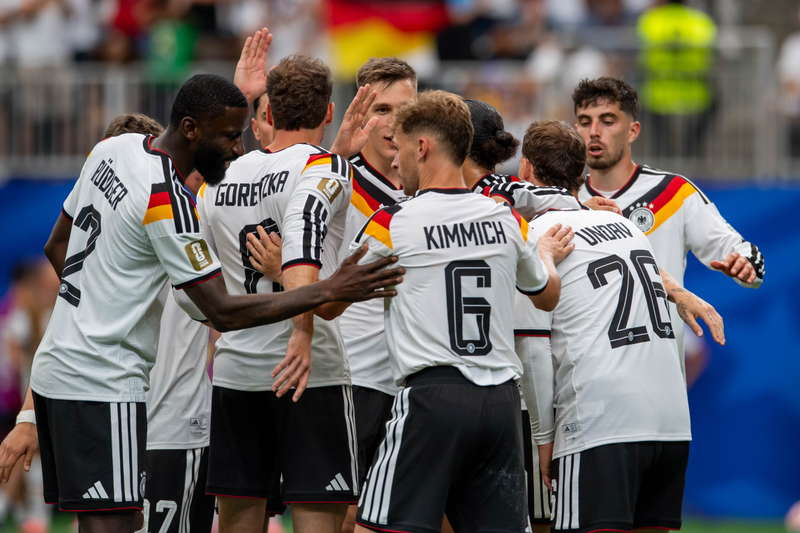
That sounds less like a new-manager bounce and more like an admission of scale. Germany have failed to reach the last 16 at the past three World Cups. They are 12th in the FIFA rankings. A national side with the player pool of Bayern München, plus names such as Joshua Kimmich, Jamal Musiala, Leroy Sané and Manuel Neuer, should not be framed as a restoration project this deep.
That is why Klopp's appointment feels bigger than a normal coaching change. Carsten Cramer said Klopp “embodies a lot of the things that our football and our country are missing right now.” That is flattering, but it also loads the job with more than football. The DFB want authority, energy and a figure people can believe in again. Klopp probably gives them all three. He does not, on his own, fix the structures that produced this decline.
There is also an awkward loose end in how Germany's recent failures are discussed. Some source reporting around the latest World Cup exit clashes on the opponent and match detail, so the safer course is to leave the scoreline out of it. The larger point is clear enough without it: Germany keep falling short at major tournaments, and the federation has turned to the biggest personality available.
The first test arrives in September
Klopp starts with more goodwill than most international coaches ever get, and the Kicker number proves that. But goodwill is not the same as consensus, and this appointment has too many fault lines for that.
The workload now is split in two. Klopp has to improve the team, and he has to convince doubters that the DFB did not just grab the most famous name on the market and hope the rest would sort itself out.
His first match as Germany coach is against the Netherlands on 24 September. By then, the argument around the appointment will still be there, but the football will have started.
FAQ
Why are some fans unhappy with Jürgen Klopp as Germany head coach?
The appointment has support, but it is not cleanly accepted. Critics have pointed to Klopp's Red Bull links and to how quickly the DFB moved after Julian Nagelsmann's resignation. Thomas Kessen said fans should not treat Klopp like a saviour, while Theo Zwanziger called a Red Bull-linked role alongside Germany "an absolute no-go".
What problems is Jürgen Klopp walking into with Germany?
Klopp is taking over a national side that has gone three straight World Cups without reaching the last 16 and now sits 12th in the FIFA rankings. He has already said German football is at a turning point and needs fundamental change, which suggests the issue is bigger than a new coach and a new backroom staff.
When is Jürgen Klopp's first game as Germany coach?
Klopp's first game in charge of Germany will be against the Netherlands on 24 September. He has signed a four-year deal and will build his coaching staff around Pep Lijnders and Peter Krawietz.
Is Jürgen Klopp the clear choice for Germany or a risky appointment?
The DFB has presented him as the obvious pick. Bernd Neuendorf said Klopp was the federation's unequivocal choice after Julian Nagelsmann's resignation, and a Kicker poll found 80% support. Still, the criticism around process and Red Bull links means the job begins as a legitimacy test as much as a football one.
Written by Jack Mercer with AI-assisted research, cross-checked against 6 outlets. How we work →