












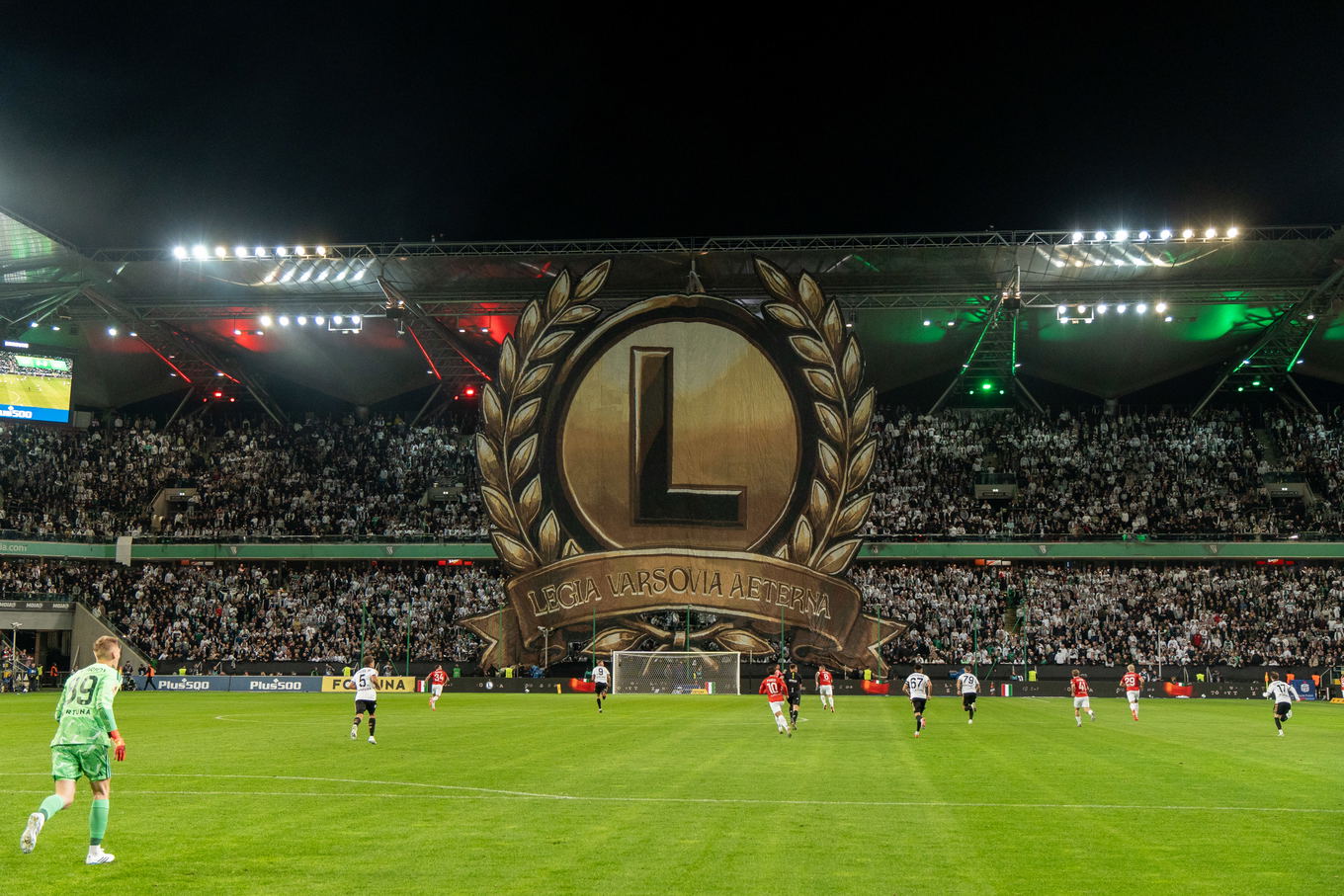
"We have a very conscious policy regarding the prices of season tickets, subscriptions and tickets," Marcin Herra told WP SportoweFakty, in comments translated from Polish. That line sits at the centre of the debate around Legia Warszawa, a club coming off 290.5 million złotych in total revenue last season, the highest figure in its history and the best in the PKO Ekstraklasa. Herra's message is that sellouts and stronger income do not automatically justify charging supporters more.
Herra's pricing stance
Herra's argument is straightforward. Strong demand can tempt clubs into a basic supply-and-demand response, especially in Warsaw, but he says Legia are trying to avoid that reflex.
Speaking to WP SportoweFakty, in comments translated from Polish, he said: "We have a very conscious policy regarding the prices of season tickets, subscriptions and tickets. Someone looking only through Excel would say: 'Since a few days before the match you are selling out tickets, and you operate in Warsaw, one of the wealthiest cities in Poland, then just raise the prices -"
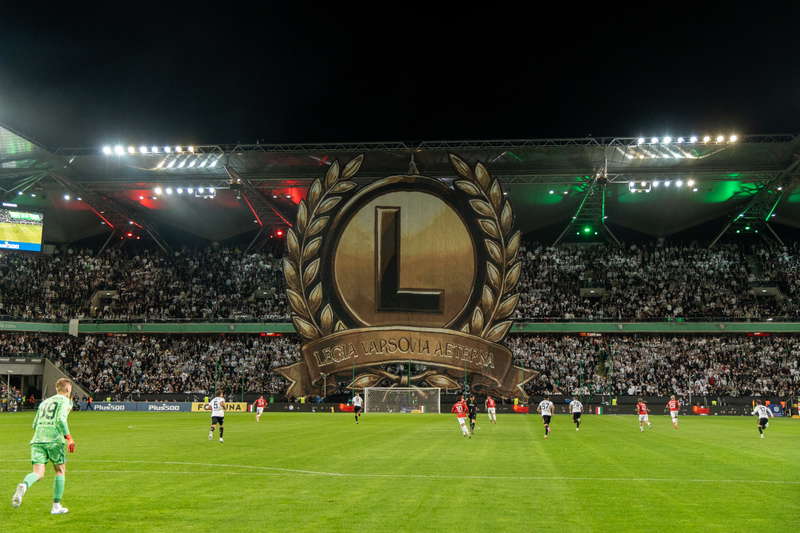
He made the same point to Weszło, again in translated comments from Polish: "It is very important to me that we do not overdo it with the prices. It is more important to me that people have the feeling that the offer is fair. However, we can develop the whole experience. In Legia Park, we started with around 1,000 people, and today we can have around 20,000 visitors there. People come earlier, spend time together -"
That gives the club's thinking a different emphasis. The target is not just a higher ticket yield from each sellout, but a wider matchday offer that keeps people coming earlier and spending more time, and money, around the stadium.
The revenue numbers behind the debate
The obvious reason this issue has surfaced is the scale of Legia's growth off the pitch. The club generated 290.5 million złotych in total revenue in the previous season. It also brought in about 202 million złotych from core operations, with only Lech Poznań ahead in that category.
Matchday income is where Herra's comments become especially interesting. Legia produced 61.59 million złotych in matchday revenue, only 360 thousand złotych behind Lech Poznań's 61.95 million złotych. Those are elite domestic numbers already, so this is not a club talking about untapped demand from a low base.
Legia are also third in the Ekstraklasa with 27 points from 15 matches, which gives the business story a live football backdrop rather than a purely boardroom one. The sporting side is healthier than it looked earlier in the campaign, but Herra has not tried to pretend the club is beyond weaker years.
The cushion Legia want, and the limit of it
That is where his broader explanation matters. In translated comments to Weszło, Herra said: "Partnerships, merchandising, club media or the skilful use of the stadium's possibilities. We have been working hard on this for many years, and over the last four years we have accelerated significantly. We want commercial revenues and those from matchday to be as high as possible. Of course, they also remain linked to sporting results, but the point is to build such a model that will allow the club to go through one weaker season. Of course, I hope the difficult sporting years are already behind us, but in sport you never know anything and we must be ready for every scenario."
That is a fair ambition, and the revenue figures suggest Legia have moved a long way toward it. But Herra's own wording is the sensible limit on any grand claim. He did not say sporting results have stopped mattering. He said the club wants a model that can better absorb a weaker year.
That distinction is important. A stronger commercial and matchday base can soften the blow of inconsistency on the pitch. It does not erase it. Legia's business operation looks increasingly resilient, but Herra's strongest point is still the one about supporters: a full stadium and record income are not, by themselves, a reason to squeeze more from the same audience.
Legia host Wieczysta Kraków on Sunday, 29 November, and Herra's pricing line will keep sitting alongside those wider revenue numbers every time the stadium fills again.
FAQ
Why is Legia Warszawa not automatically raising ticket prices after record revenue?
Marcin Herra said the club has a conscious pricing policy and does not want to overdo ticket, subscription and season-ticket prices. His position is that supporters should feel the offer is fair, even with strong demand and record revenue. He also pointed to improving the wider matchday experience instead of treating every sellout as a reason to charge more.
How important is matchday revenue to Legia Warszawa's business model?
It is already a major part of the club's income. Legia generated 61.59 million złotych in matchday revenue last season, only 360 thousand złotych behind Lech Poznań's 61.95 million złotych. Herra linked that growth to the broader stadium-day offer, including Legia Park, where crowds grew from around 1,000 people to around 20,000.
Can Legia Warszawa's revenue model protect the club during weaker seasons?
Herra believes that is the aim. He said the club has worked for years on partnerships, merchandising, club media and better use of the stadium so it can get through a weaker sporting year. The caution is obvious too: he also said revenue remains linked to results, so the model helps, but it does not remove football risk.
Written by Sam Whitfield with AI-assisted research, cross-checked against 4 outlets. How we work →