










Manchester United are appealing Leny Yoro's red card from the eighth minute at Anfield. The club have notified the FA of their intention to appeal, but Dermot Gallagher has already backed the on-field call and said most people would have expected a dismissal.
Gallagher's view matters because it lands straight against United's line. He said the referee saw a foul and saw Yoro in possession of the ball from that angle, then added that Gary Neville's immediate reaction was red card. The former Premier League referee also said he was not sure whether Yoro would have reached Alexander Isak before Senne Lammens got there, which is where the dispute really sits.
United's case
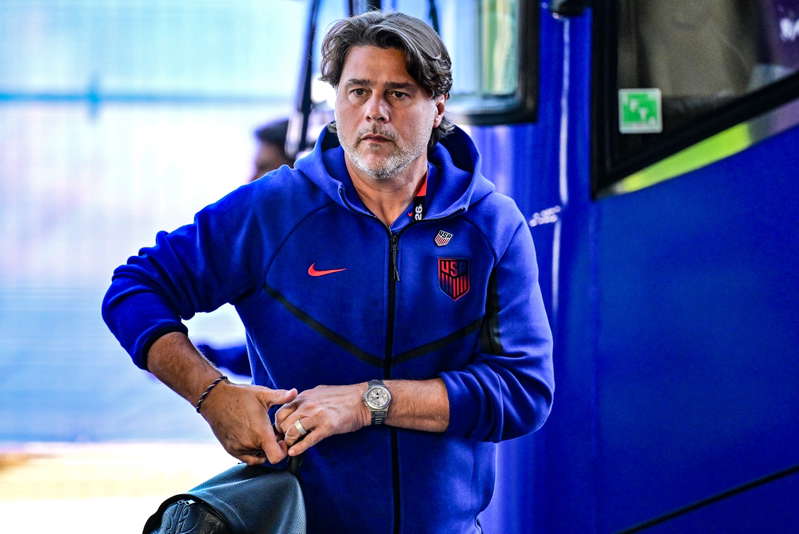
United's own arguments are much more about intent and control than about the basic contact. Mauricio Pochettino said the ball was already with the goalkeeper and that Yoro never had the intention to connect with Isak. Kobbie Mainoo said the ball was already with the goalkeeper and called the dismissal a moment that took the game out of United's hands.
There is a separate line in United's thinking too. The club said the incident was a denial of an obvious goalscoring opportunity, which shows they are treating it as a clear refereeing error rather than a marginal call. That is still a difficult ask when Gallagher says the referee's angle supports the red card and that most observers would have expected it.
What the dismissal changed at Anfield
The match moved fast after the red card. Dominik Szoboszlai scored the resulting free-kick soon after the dismissal, Liverpool were 2-0 up by the 13th minute and went on to win 4-0. Yoro's dismissal was the first major event, but it was not the last one United had to absorb.
Roy Keane was also unsparing on the defending, saying Isak was not getting the ball and calling the move clumsy. United can still push the appeal, but the first verdict from a former Premier League referee is already against them, and the scoreline at Liverpool vs Manchester United only makes the case harder.
Written by Jack Mercer with AI-assisted research, cross-checked against 3 outlets. How we work →